
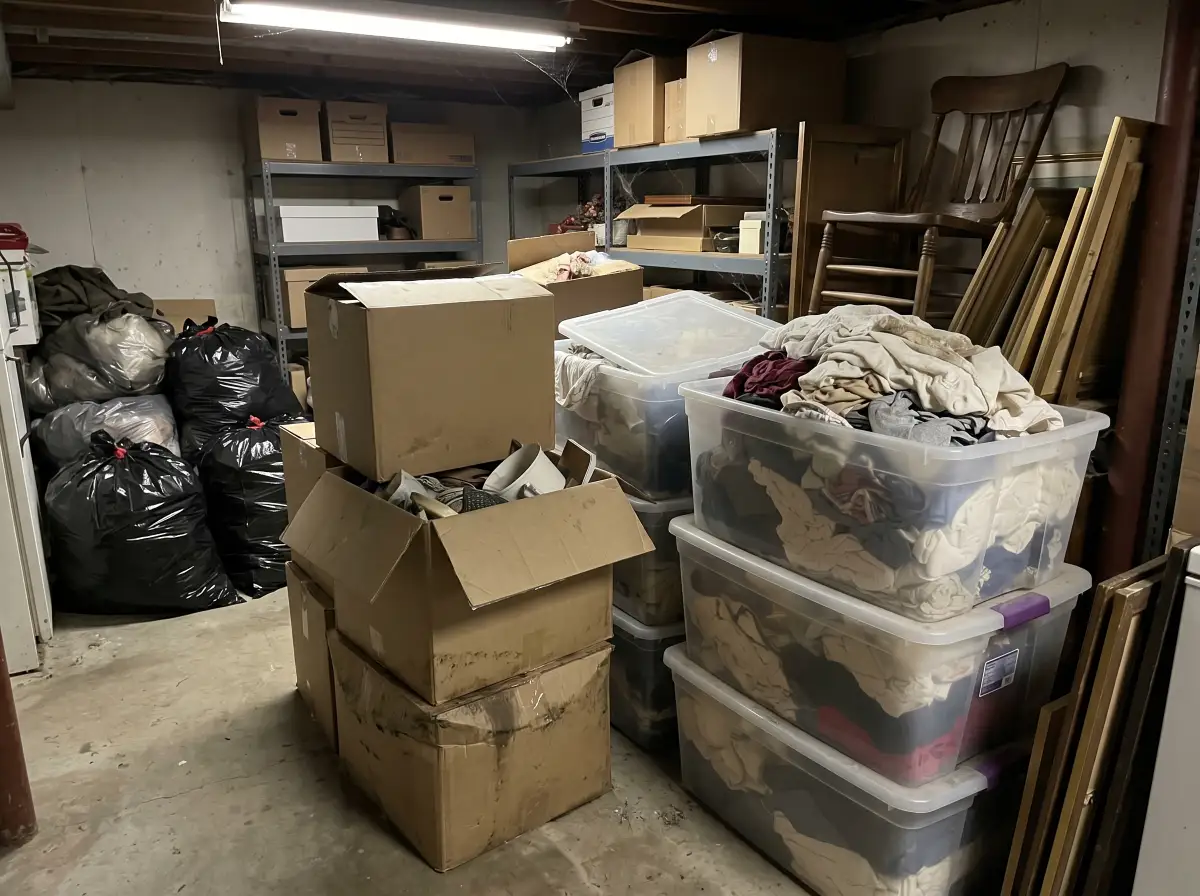
The honest, eye-opening guide to the 5 biggest storage mistakes people make — because once you see them, you can’t unsee them, and fixing them will transform your home faster than any new bin or basket ever could.
I want to play a little game with you. Think about the last time you organized a space in your home. Really organized it — bought the bins, sorted everything out, put it all back neatly. Now think about what that space looks like right now, today.
Is it still organized? Is it even close to as organized as it was the day you finished it? Or has it drifted — gradually, inevitably — back into something that looks pretty similar to what it looked like before you started?
If your honest answer is that it drifted, I promise you it is not because you’re lazy, not because you’re hopeless at organization, and not because being organized “just isn’t who you are.”
It’s because somewhere in that organizing project — and in almost every organizing project most people ever do — one or more of the five biggest storage mistakes crept in. And those mistakes don’t just fail to solve the problem. They actively create the conditions for the problem to come back.
I learned about these mistakes the hard way. I organized my home office three times in two years. Three times I sorted, labeled, bought new organizers, felt incredibly proud of myself, and took a photo of the finished result.
Three times it devolved back into chaos within a few months. It wasn’t until I sat down and really analyzed what was happening — why the system kept failing — that I identified the specific mistakes I was making and fixed them properly. The fourth time I organized that office, it has stayed organized for eighteen months and counting.
My friend Safa is a professional organizer who has worked in hundreds of homes and she says the same five mistakes show up in almost every disorganized home she walks into — regardless of the size of the house, the size of the family, or the personality of the person who lives there. They are that universal.
Which means if you’re making them, you are in enormous company. And which also means that fixing them will work for you the same way it has worked for everyone else she’s ever helped.
These are the five biggest storage mistakes people make — and exactly how to fix every single one of them. Let’s get into it.
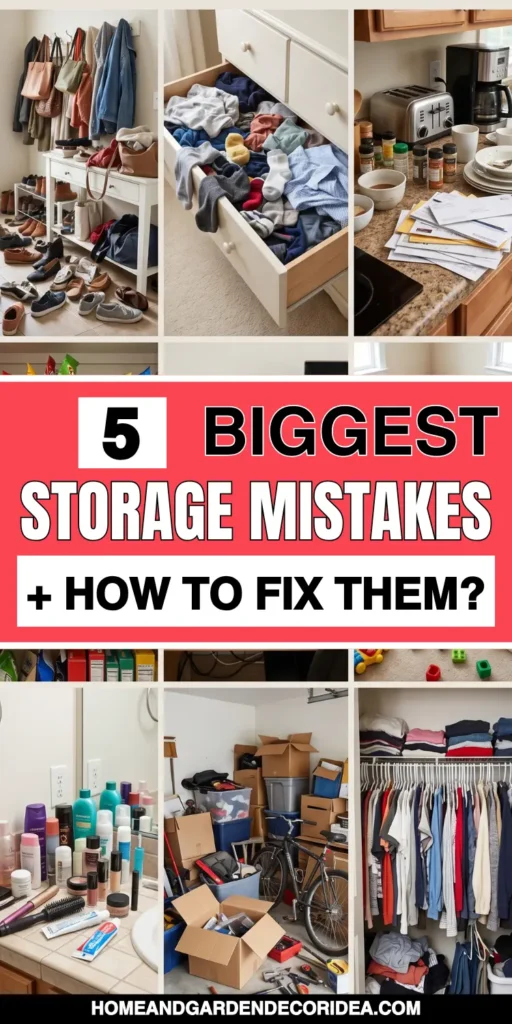
Mistake #1: Organizing Before Decluttering
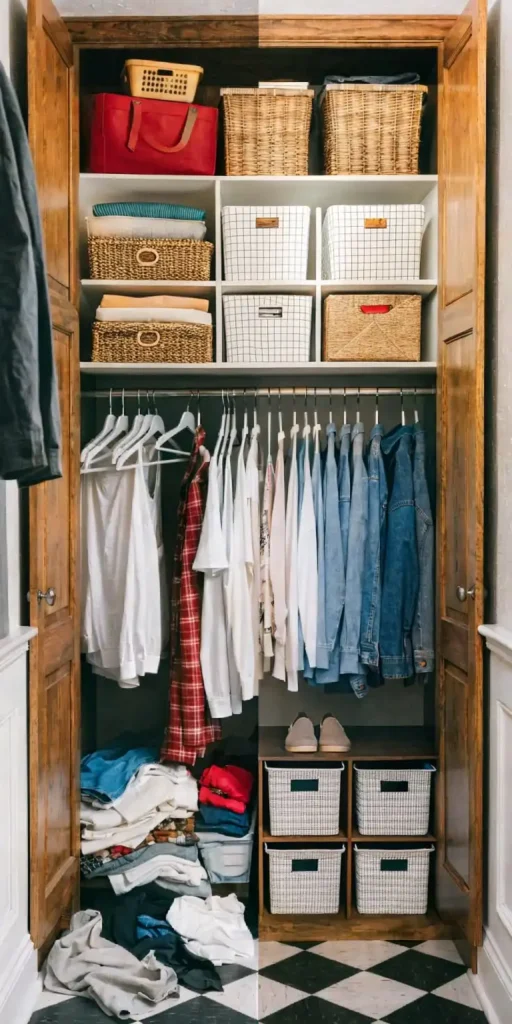
This is the mistake that almost every first-time organizer makes and it is the one that guarantees disappointment more reliably than anything else on this list. You feel the urge to get organized. You go buy some bins and baskets and drawer organizers. You start sorting and categorizing and arranging. And you end up with a beautifully organized collection of things you don’t actually need, don’t actually use, and shouldn’t actually have in your home.
Organizing clutter is not solving a storage problem. It is decorating a storage problem.
When you organize before you declutter, the best you can achieve is a tidier version of the same problem — too many things competing for too little space. The bins fill up. The shelves overflow. Within weeks, the overflow starts appearing on surfaces again, and the organized system that felt so good is already struggling under the weight of everything it was never supposed to hold.
The fix is to always, always declutter before you organize. Pull everything out of the space first. Go through it honestly — what do you actually use? What do you actually need? What would you actually notice was gone if it disappeared tomorrow? The things that pass those tests stay. Everything else goes. And when you organize what remains — the curated, intentional collection of things that actually belong in your home — you will find that you need far less storage space than you thought, and the space you do use stays organized far more easily.
How to fix it right now: Before you put a single thing back into any space you’re organizing, create three clear categories: Keep, Donate, and Trash. Every single item gets sorted into one of the three. Only the Keep pile goes back into the organized system. The Donate bag leaves your house within 24 hours. The trash goes immediately. This is not optional. It is the foundation everything else depends on.
My friend Safa says the most consistent result she sees in her client work is that after a proper declutter, most people need about 30% to 50% less storage space than they thought they did. The storage problem is almost always a stuff problem first and a storage problem second.
Mistake #2: Buying Storage Products Before You Have a Plan
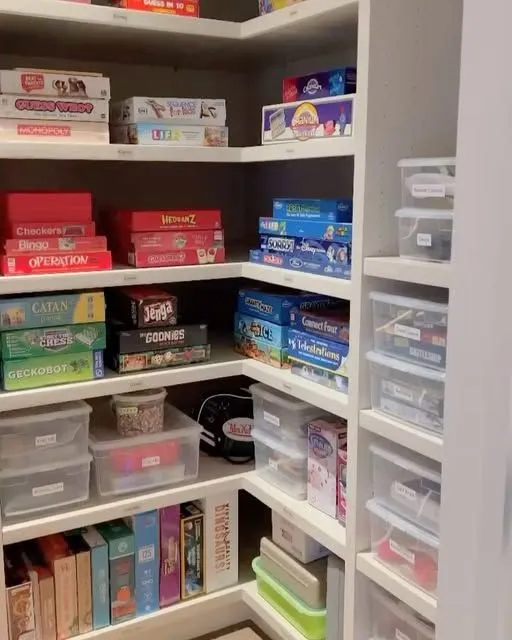
Oh my — this is the mistake I made so many times in my early organizing days that I genuinely cringe thinking about it. The excitement of a new organizing project hits, you head to Target or scroll Amazon, and you fill your cart with beautiful bins and baskets and drawer organizers and shelf dividers — all without knowing specifically what you’re going to put in them, where they’re going to go, or whether they’re the right size for the space they’re meant for.
You know what I have in a cupboard right now? Four beautiful woven baskets that are two inches too tall for the shelves I bought them for. A set of matching acrylic drawer organizers that are for a drawer that doesn’t exist in my home. And a set of canvas bins that sag because I didn’t check whether they were reinforced before buying them. Hundreds of dollars of beautiful wrong things that I bought before I had a plan.
The right storage product bought without a plan is still the wrong storage product.
Storage products should be the last thing you buy in any organizing project, not the first. First you declutter. Then you assess what remains and where it needs to live. Then you measure the specific spaces that need organizing. Then — and only then — you identify exactly what kind of container would work best for that specific space with those specific items. And then you buy that specific thing in the correct size.
How to fix it right now: The next time you feel the urge to buy organizing products, make yourself wait until you have completed these three steps first. Step one: declutter the space completely. Step two: measure the shelf, drawer, or cabinet where the container will live. Step three: identify exactly what category of items the container will hold and how much of it there is. Write all of that down. Now go buy the exact right thing. You will spend less money, get better results, and have nothing left over in a cupboard wondering why it doesn’t fit anywhere.
Mistake #3: Organizing Without Considering How You Actually Use the Space
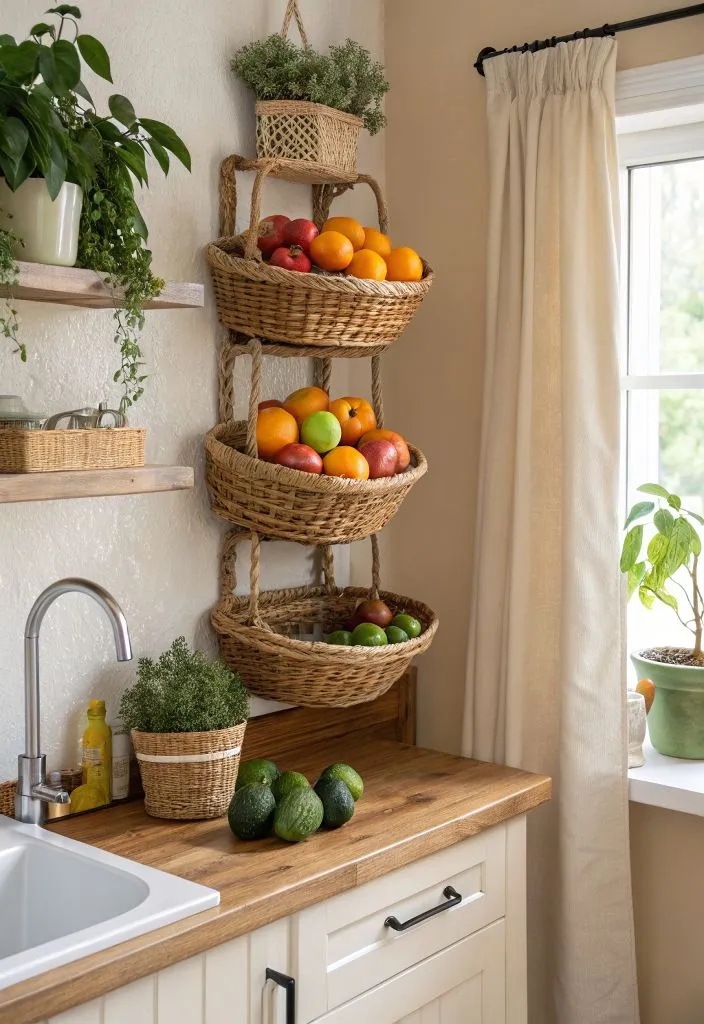
This is the mistake that produces storage systems that look absolutely beautiful in photos and work absolutely terribly in real life — and it is the mistake that my friend Safa says is the single most common reason her clients’ previous self-organized attempts failed.
Most people organize for how they want to use a space. They organize for their ideal, aspirational self — the self that carefully folds every towel, alphabetizes every spice, and takes thirty seconds to return every item to its precisely correct location. And then their actual self comes home from a long day, grabs a towel, and shoves it back whichever way it fits. And gradually the aspirationally organized system falls apart because it was never designed for the person who actually lives there.
The fix is to organize for how you actually use the space — not how you wish you did. If you know that your keys and bags always get dropped right by the front door, the storage solution for keys and bags needs to be right by the front door. Not in the hallway closet where they “should” go. Right there, at the point of drop, where they will actually make it. If you know that you will never refold fitted sheets neatly, organize your linen closet with a system that accommodates imperfect folding and still looks tidy. If you know that your kids will toss toys into bins rather than placing them carefully, make sure the bins are open-top with wide openings so tossing actually works.
Fight your actual behavior with organizational systems and you will lose every time. Work with your actual behavior and you’ll build something that lasts.
How to fix it right now: Before you organize any space, spend a few days observing how you actually interact with it. Where do things actually get set down? What is the real sequence of how you use items in this space? What is the least amount of effort you are realistically going to put into maintaining this system on a tired Tuesday night? Design your storage around those honest answers. Then your system will work because it was built for the person who actually lives in your home, not the person you aspire to be.
Mistake #4: Creating Systems That Are Too Complicated to Maintain
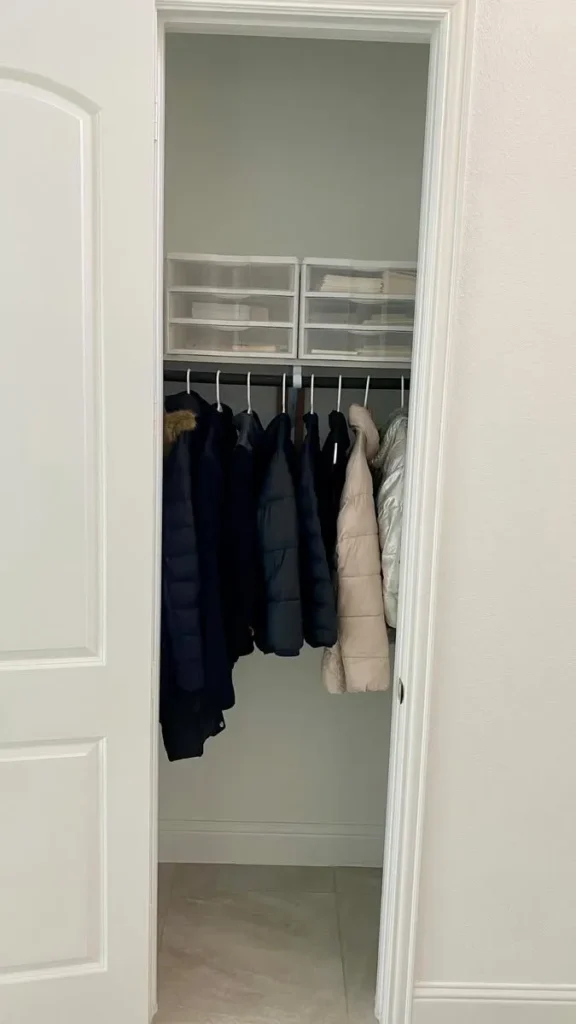
This is the storage mistake that shows up most often in the homes of people who are genuinely interested in organization — people who have read the books, watched the shows, followed the accounts, and built elaborate, detailed, beautifully color-coded storage systems that require a twelve-step process to use correctly.
There is a version of organization that is so organized it stops working. When putting something away requires opening a container, removing a divider, finding the correct sub-section, placing the item in the precisely right spot, and replacing everything in the correct order — that system will be maintained for approximately two weeks. And then it will slowly, steadily be abandoned in favor of the path of least resistance, which is usually the nearest available surface.
The best storage systems are simple. Brilliantly, almost boringly simple. Everything has a home. The home is easy to get to. Returning things to their home takes the same effort as setting them down somewhere random — which means there’s no reason not to return them. That’s the whole system. The simpler it is, the more reliably it will be used and maintained by every person in your household, including the ones who did not design it and do not share your level of organizational enthusiasm.
My friend Safa has a rule she uses with every client: if you can’t explain the system in one sentence, it’s too complicated. “Shoes go in the cubbies” — perfect. “Cleaning supplies are organized by room in labeled bins on the second shelf” — absolutely fine. “The spice jars are grouped by cuisine type, alphabetically within each group, with the exceptions for blends which go on the dedicated blend shelf” — that is a system for a person who has more energy than a real household will consistently sustain.
How to fix it right now: Look at your current storage systems and ask honestly: what is the absolute minimum number of steps required to put something back where it belongs? If the answer is more than two, simplify. Remove sub-categories that don’t genuinely need to be sub-categories. Merge bins that are so specific they’re almost always empty. Choose accessible storage over technically perfect storage. A system used imperfectly is infinitely better than a system not used at all.
Mistake #5: Treating Organization as a One-Time Event Rather Than an Ongoing Practice
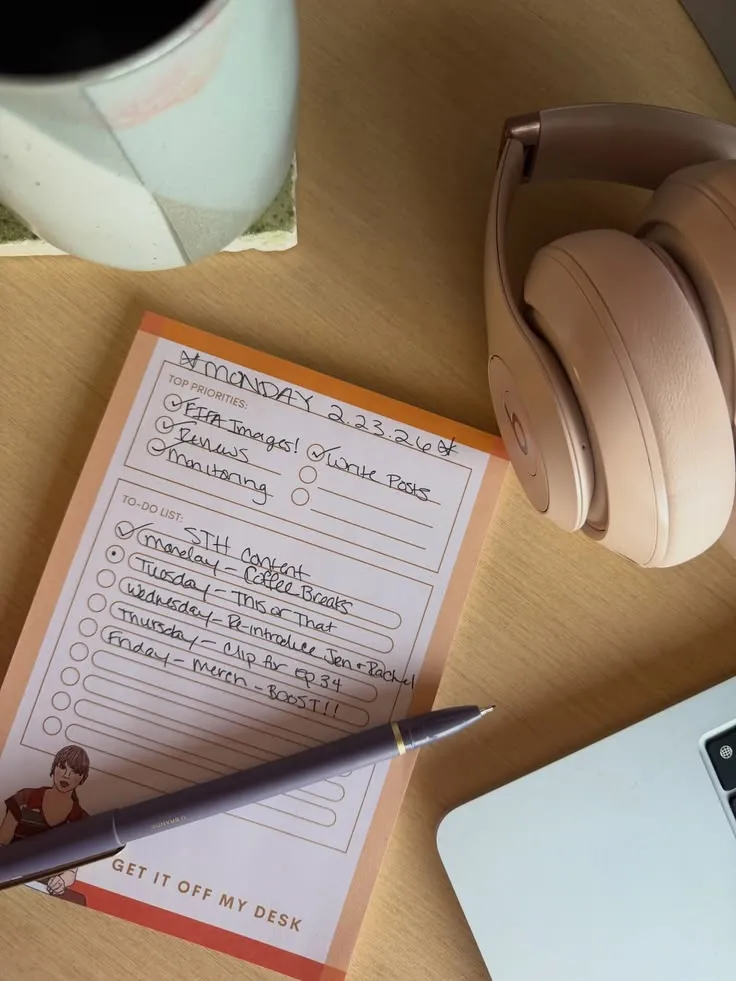
This is the final storage mistake and honestly the one that I think causes the most long-term frustration — because it is the mistake that turns a beautifully organized home back into a cluttered one over and over again, and makes people feel like they are fundamentally incapable of staying organized when the real issue is just a misunderstanding of how organization actually works.
Organization is not a project you complete. It is a practice you maintain. No matter how perfectly you organize your home, life is going to keep happening. New things will enter the house. Seasonal needs will shift. Habits will change. Children will grow and their storage needs will evolve. A system that was perfect for your life two years ago may need adjustment for your life today. And surfaces, drawers, and shelves will always, inevitably, over time drift from their organized baseline if nothing is done to bring them back.
The people who maintain organized homes long-term are not people who are more disciplined or more naturally tidy than everyone else. They are people who do a small amount of maintenance consistently — the daily ten-minute reset, the weekly catch-up, the seasonal reassessment — and who treat the occasional declutter not as evidence of failure but as a normal, healthy part of owning a home.
I genuinely think the expectation that an organized home should stay organized without maintenance is the single most damaging idea in the home organization space. It sets people up to feel like they’ve failed when their home returns to normal after a busy week. They haven’t failed. They’ve just experienced entropy, which is what everything does when left without attention. The solution is not a better organizing project. It is a consistent maintaining habit.
How to fix it right now: Build three maintenance rhythms into your life and treat them as non-negotiable. The first is a daily reset of ten to fifteen minutes — everything back to its home, surfaces cleared, the home returned to baseline. The second is a weekly reset of thirty to sixty minutes — any areas that got away from you during the week brought back into order, paper processed, laundry caught up. The third is a seasonal reassessment every three to four months — a thoughtful walk-through of every space to identify what needs decluttering, what storage solutions aren’t working, and what has changed in your life that needs a storage adjustment.
These three rhythms, maintained consistently, are the entire difference between a home that stays organized and a home that keeps needing to be reorganized from scratch. The daily reset is the most important. When that fifteen-minute habit is consistent, the weekly and seasonal resets are almost effortless.
The Connecting Thread Between All Five Mistakes
Now that we’ve gone through all five, I want to point out something that I think is genuinely important: every single one of these storage mistakes has one thing in common. They all prioritize the appearance of organization over the function of organization.
Organizing before decluttering looks like progress but doesn’t create it. Buying products before having a plan produces beautiful things that don’t work. Organizing for your aspirational self creates a system that looks great in photos but doesn’t match real life. Systems too complicated to maintain look impressive but collapse under daily use. Treating organization as a one-time event produces a beautiful result that doesn’t last.
Real, lasting, functional organization is not beautiful first. It is logical first, accessible first, honest-about-how-you-actually-live first. The beauty is a natural result of systems that work — not the goal in itself.
When you fix these five mistakes — when you declutter before organizing, buy products only after you have a plan, design systems for your real behavior, keep things simple enough to actually maintain, and build the daily and weekly habits that keep everything in order — what you end up with genuinely is beautiful. Not because you decorated it. Because it works, and things that work have a particular kind of beauty that decorative organization can never replicate.
Fix the Mistakes and Fix the Home — For Good
The good news — the genuinely great news — is that none of these mistakes are permanent. They are not character flaws. They are not evidence that you can’t be organized. They are learnable lessons, and now that you know them, you can correct them in your current spaces and avoid them entirely in every future organizing project.
Start by looking at your most frustrating storage situation with fresh eyes. Which of these five mistakes is behind the chaos? Is it too much stuff that was never decluttered? Is it a system designed for an aspirational version of you rather than the real one? Is it maintenance habits that haven’t quite been built yet? Identify the actual mistake and apply the actual fix — and you’ll find that the problem that felt intractable was actually completely solvable.
My friend Safa finishes every client session the same way. She walks them through the space she’s helped them organize, and she says: “Now you know what organized looks like for you, in your home, with your life. This is your baseline. Everything from here is just returning to it.” That’s it. That’s the whole secret. Know your baseline. Return to it. Keep returning to it.
You now know what’s been getting in the way. Go fix it.
Now go pin this, share it with anyone who has ever reorganized the same space three times and couldn’t figure out why it kept falling apart, and go look at your home’s biggest storage frustration through the lens of these five mistakes. The fix is closer than you think.
Pin this and save it — this is the storage mistakes guide you’ll want to come back to every single time an organizing project isn’t working the way it should!

Leave a Reply