Category: Soil Care
-
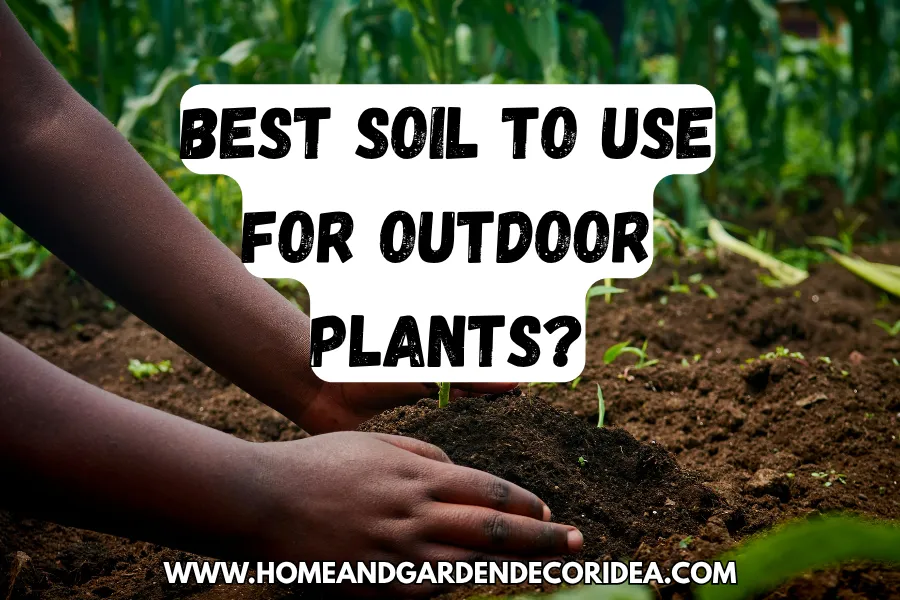
What Is The Best Soil To Use For Outdoor Plants?
How do you prep your garden soil for planting. The ideal garden is deep, well-drained, and has high organic content. If the proper soil preparation is done, give your seeds and transplanted plants the proper grounds for growth. Remove existing perennials’ broadleaf weeds and grasses. Examples of broadleaf weeds include dandelions, thistles, plantain, and clover.…
-
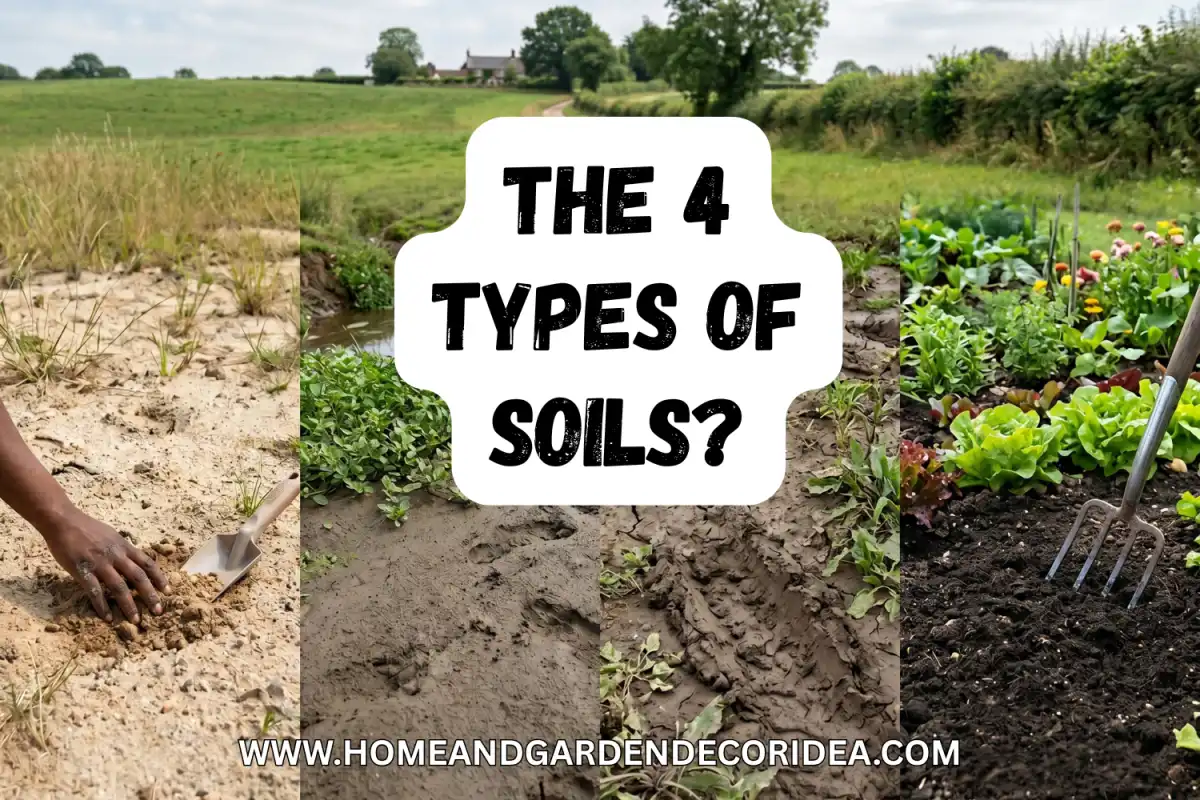
What Are The 4 Types Of Soils?
Soils can be classified into mineral and organic soils. Organic soils have much smaller proportions of sand, silt, and clay. These soils are light in weight and dark in color. The types of organic soils, peats, and mucks are based on the degree of decomposition of the organic fraction. While much has few or no visible…
-
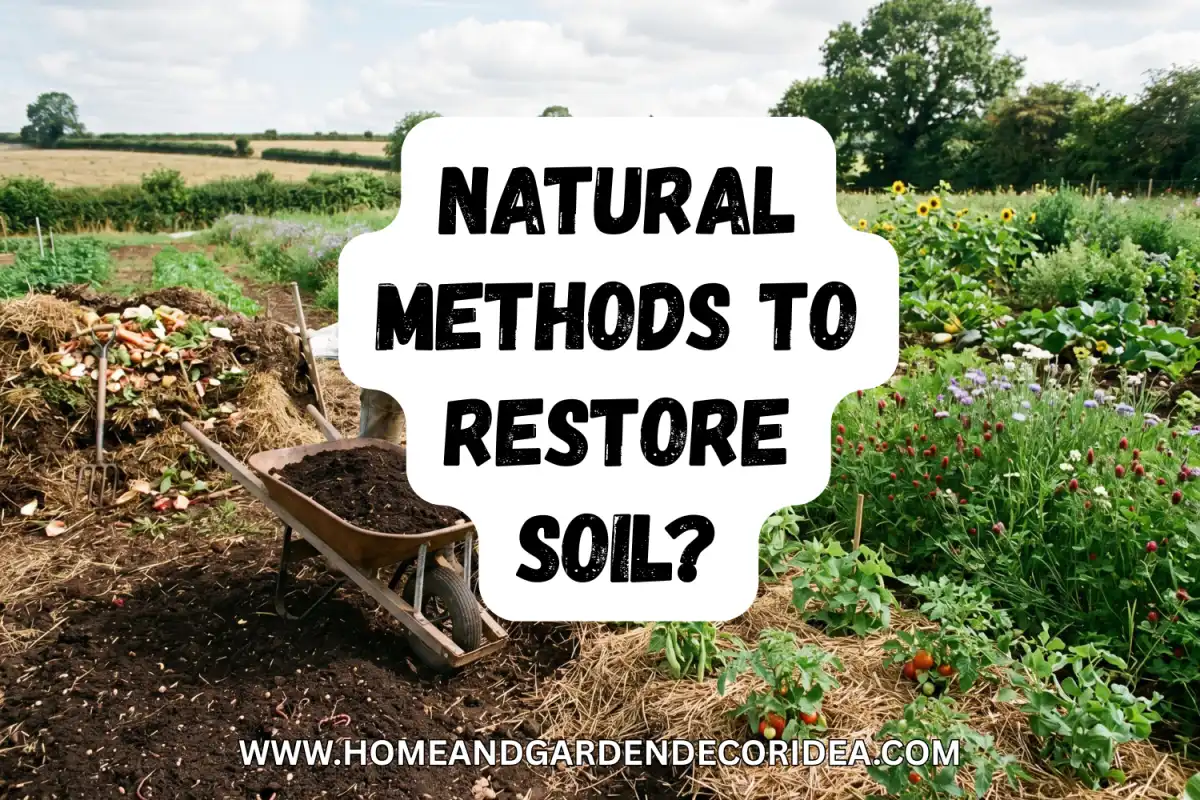
What Are The Natural Methods To Restore Soil?
Farmers, gardeners, and environmentalists share growing concerns about soil degradation. It may result in decreased soil fertility and productivity, making it more difficult to cultivate crops and maintain a healthy environment. The fertility, structure, and general health of the soil can all be improved using a variety of natural approaches for restoration. The methods for…
-
What Is The Best Soil For Flower Beds?
Any garden or landscaping project can benefit from the color and beauty of flower beds. Choosing the right sort of soil and carefully preparing it is crucial for the success of your flower bed. The methods for preparing your soil, the ideal kind of soil for flower beds, and advice on the watering and fertilizing…
-
What Is The Best Soil For Indoor Plants?
The best soil medium for starting seedlings is loss, well-drained, fine textured, low-in nutrients, and free from disease soils. Most commercially purchased soils meet the requirement listed. Soilless or peat lite mix is recommended to start seedlings since garden soils contain disease organisms that can be highly destructive to small plants and do not drain…
-
What Is The Best Soil For Raised Bed?
Raised garden beds have many advantages for gardeners, including enhanced soil structure, greater drainage, and reduced soil compaction. Use the proper soil in your raised beds to get the most out of these advantages. This article will discuss the best soil for raised beds and other elements that may affect the success of your garden,…
-
What Soil is Best for Vegetable Garden?
Are you looking into starting your first garden this spring? Suitable soil goes a long way in encouraging the desired food for you and your family. The proper soil for vegetable gardens is deep, well-drained, and highly organic. The careful addition of various soil amendments, such as compost or peat, can improve garden soil and provide…
-
Which Soil Is Best For Grass Seed?
Don’t assume that your topsoil has the nutrients for your grass seed. The assumption is that you can tell your soil nutrient level has the proper nutrient by sight or color is insufficient for seed growth. Don’t assume that the topsoil you’re adding to the seed is rich in nutrients regardless of color. Test the…
-
Which Soil Is Best For Trees and Shrubs?
What is the difference between trees and shrubs? Trees and shrubs are considered woody plants. Trees and shrubs are the main components of most planned landscapes. Because of their structural importance and longevity in the landscape, it is essential to select these plants carefully, basing decisions on the site. Trees grow with one or a…
-
Why Is Soil Testing So Important?
The right amount of nutrients in your garden soil will determine your yield. Adding too much fertilizer and compost will contaminate and result in your plants and flowers not reaching their potential. The process comes down to knowing what your soil is missing and adding nutrients. Soil testing is one of the most critical steps…