
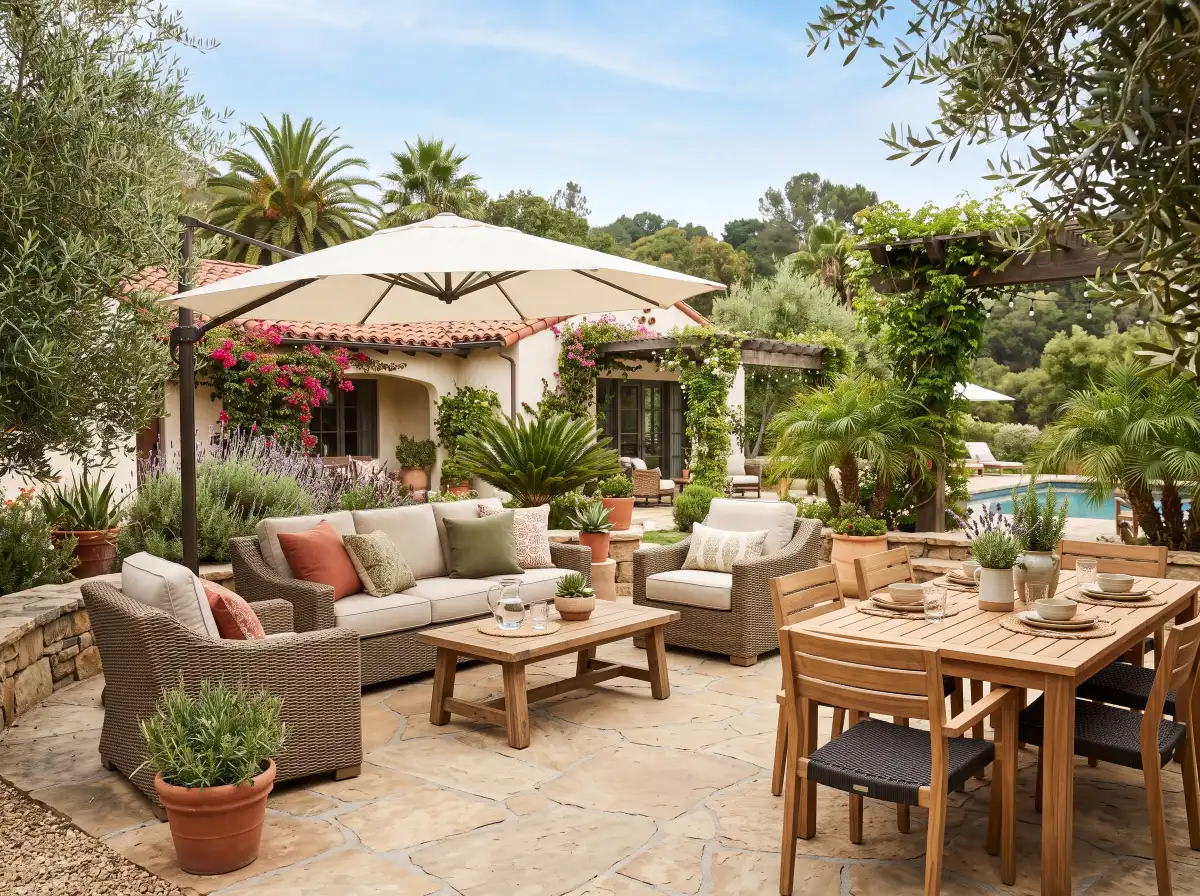
If you’ve ever spent money on beautiful outdoor furniture only to watch it fade, rust, crack, or fall apart after one season, girl, you’re not alone—and I’m about to help you avoid that mistake forever.
I used to think patio furniture shopping was all about finding the cutest outdoor setup. You know the ones I’m talking about—the dreamy patios all over Pinterest with cozy cushions, twinkling string lights, and aesthetic coffee tables that make every morning coffee look like a vacation. I was completely obsessed and couldn’t wait to recreate that vibe at home.
Well…reality had other plans. After one long summer of intense sunshine, my gorgeous outdoor chairs looked tired, the cushions had faded way more than I expected, and I realized I’d made the classic mistake of choosing style over durability. My friend Jess had the opposite experience. She bought beautiful wooden furniture for her rainy backyard, and within a couple of seasons, it needed way more maintenance than she ever imagined.
That’s exactly why learning how to choose patio furniture for your climate is one of the smartest things you can do before spending your hard-earned money. The right furniture doesn’t just look beautiful on Instagram—it actually survives your local weather and keeps looking amazing for years.
In this guide, I’m sharing everything I’ve learned (sometimes the hard way, lol) about how to choose patio furniture for your climate, including the best materials, common mistakes to avoid, and simple shopping tips that will save you money in the long run. Grab your favorite iced coffee, girl, because we’re diving in!
Know Your Climate Before You Buy Patio Furniture
The very first step in how to choose patio furniture for your climate has nothing to do with furniture stores. It starts with understanding the weather where you actually live.
I know it sounds obvious, but it’s surprisingly easy to fall in love with a patio set without thinking about whether it can handle blazing sun, constant rain, salty coastal air, or freezing winters. Trust me, I’ve been there, and replacing damaged furniture is not how anyone wants to spend their decorating budget.
Think about what your patio experiences throughout the year. Does it get direct afternoon sunlight? Is it exposed to heavy rainfall? Do you have humid summers or snowy winters? Every climate creates different challenges, and choosing materials designed for those conditions makes a huge difference.
One thing I always recommend is paying attention to the weather over an entire year before making a big purchase. It sounds a little extra, but knowing exactly what your outdoor space deals with helps you make a much smarter investment.
| Climate | Biggest Challenge | Best Materials |
|---|---|---|
| Hot & Sunny | UV damage and fading | Aluminum, teak, HDPE resin |
| Rainy | Moisture and mildew | Resin wicker, aluminum |
| Humid | Mold and mildew | Recycled plastic, aluminum |
| Coastal | Salt corrosion | Marine-grade aluminum, teak |
| Cold & Snowy | Freeze-thaw damage | Powder-coated aluminum, HDPE |
Pro Tip: Take pictures of your patio throughout the day to see exactly where the sun hits. This tiny trick makes choosing materials so much easier.
Choose Aluminum Furniture for Easy Maintenance
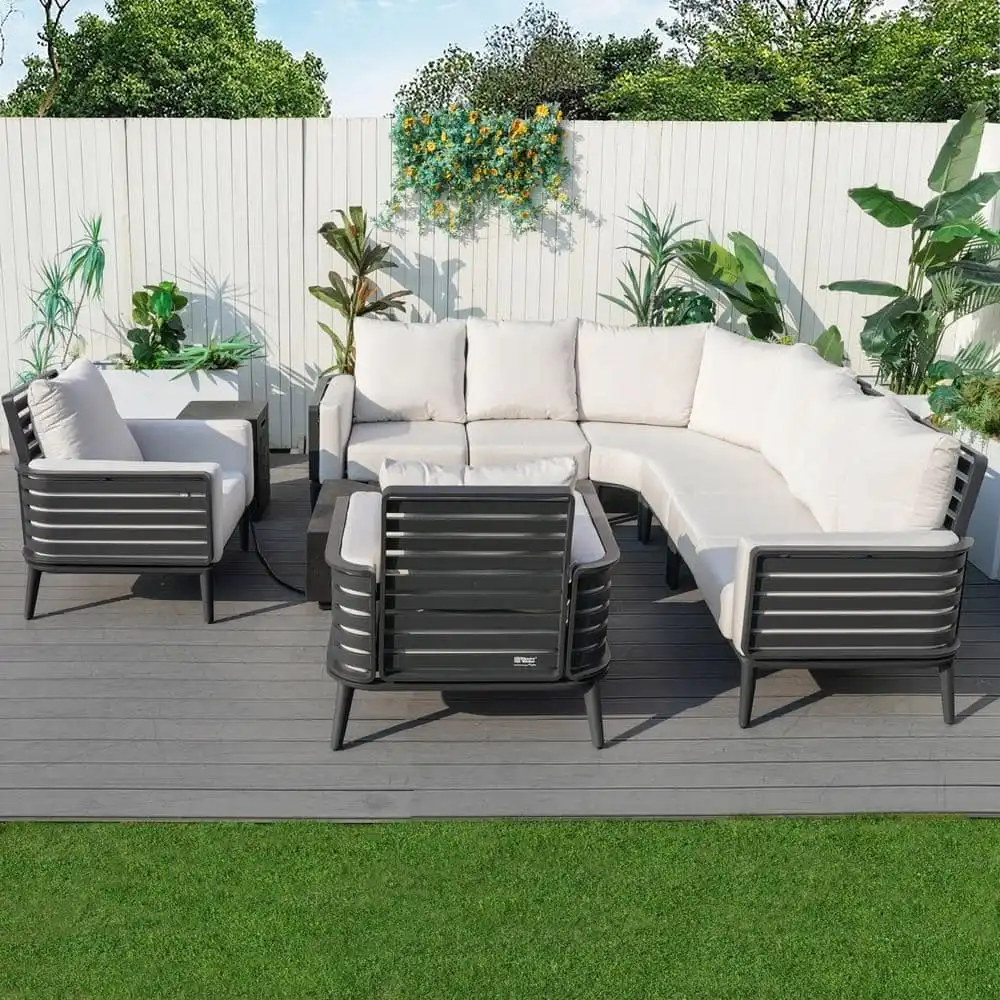
Whenever someone asks me how to choose patio furniture for your climate, aluminum is almost always one of my first recommendations.
The biggest reason is simple—it works in so many different climates without demanding much attention. Aluminum won’t rust like steel, it’s lightweight enough to rearrange whenever you’re hosting friends, and it has that clean, modern look that’s everywhere on Pinterest right now.
I’m seriously obsessed with how versatile aluminum furniture is. Last summer, I completely rearranged my patio for a backyard dinner party without asking anyone for help because every chair was so easy to move. That may sound like a small thing, but it honestly makes outdoor decorating way more fun.
Another huge bonus is that powder-coated aluminum holds up incredibly well against rain, humidity, and strong sunshine. Pair it with quality outdoor cushions, and you’ll have furniture that still looks amazing years later.
| Pros | Cons |
|---|---|
| Rust-resistant | Can become warm in direct sunlight |
| Lightweight | Premium models cost more |
| Modern appearance | May blow around in strong winds |
| Low maintenance | Some styles scratch easily |
Invest in Teak if You Love Natural Beauty
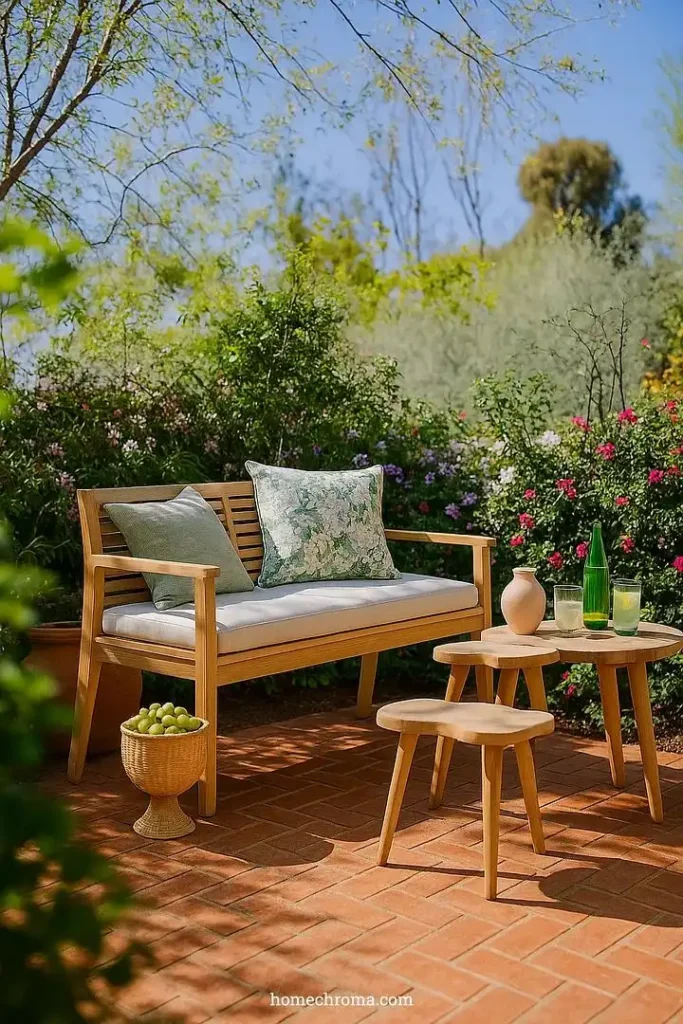
If your dream patio looks like something straight out of a luxury resort, teak furniture is probably already on your Pinterest board.
One of the reasons teak is so popular when learning how to choose patio furniture for your climate is because it’s naturally packed with protective oils that resist moisture, insects, and decay. Unlike many other woods, teak is actually designed by nature to handle outdoor conditions.
My friend Emily finally invested in a teak dining table after years of replacing cheaper options, and honestly, I was amazed by how gorgeous it looked even after multiple seasons outside. Instead of looking worn out, it developed that beautiful silver-gray finish that’s trending everywhere.
The only thing I’d tell you is this: if you love the original golden wood color, you’ll need to oil it every so often. Personally, I adore the weathered coastal look, so I let nature do its thing.
Pro Tip: Teak furniture usually costs more upfront, but it often lasts for decades with proper care, making it one of the best long-term investments.
Pick Weather-Resistant Cushions That Actually Last
Can we talk about cushions for a minute?
Because I honestly think people spend so much time researching furniture frames that they completely forget about the cushions. Then one summer later, the chairs still look great while the cushions have faded into completely different colors.
When researching how to choose patio furniture for your climate, don’t overlook fabric quality. UV-resistant and quick-drying fabrics stay brighter longer, dry faster after rain, and resist mildew much better than inexpensive alternatives.
I also love buying neutral cushions and changing out colorful throw pillows every season. It’s one of my favorite decorating hacks because my patio feels brand new without buying an entirely new furniture set.
| Cushion Feature | Why It Matters |
|---|---|
| UV-resistant fabric | Prevents fading |
| Quick-drying foam | Reduces mildew |
| Removable covers | Easier cleaning |
| Fade-resistant dyes | Longer-lasting color |
Match Furniture Materials to Your Local Weather
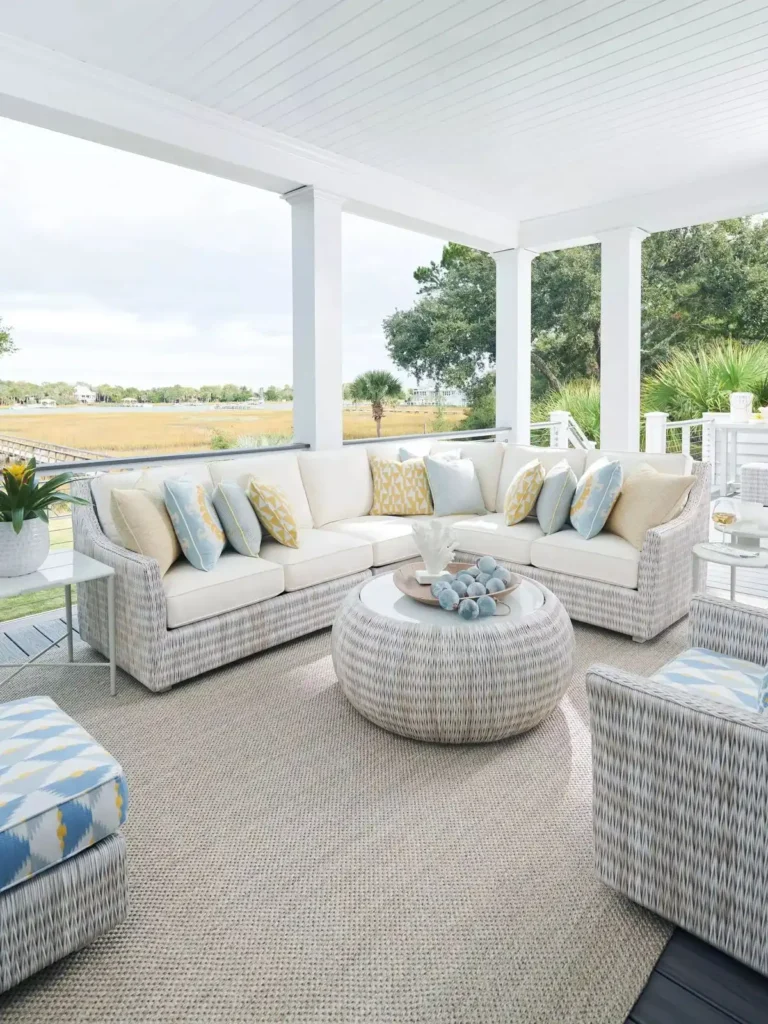
This might be the biggest takeaway in how to choose patio furniture for your climate.
There isn’t one perfect patio material for everyone because every climate creates different challenges. That’s why you’ll see completely different recommendations for someone living in Arizona versus someone living near the ocean.
If your backyard gets intense sunshine every day, prioritize UV-resistant materials that won’t fade or crack. If rain is your biggest concern, focus on rust-resistant frames and quick-drying fabrics. Coastal homeowners should pay extra attention to salt-resistant materials because salty air can damage certain metals surprisingly quickly.
I can’t say enough about how much easier outdoor decorating becomes once you stop shopping based only on appearance and start shopping based on your climate first. The bonus? You usually save money because you’re replacing furniture far less often.
Choose the Best Patio Furniture for Hot and Sunny Climates
If you live somewhere that feels like summer lasts forever, this section is especially for you. One of the biggest lessons I learned about how to choose patio furniture for your climate is that constant sunshine can be just as damaging as heavy rain.
Direct UV rays slowly break down certain materials, causing plastic to become brittle, paint to peel, and fabrics to lose their bright colors. I used to think fading was just something that happened eventually, but quality outdoor furniture can actually resist sun damage much better than cheaper alternatives.
For hot climates, I highly recommend powder-coated aluminum, teak, and HDPE recycled plastic furniture. These materials hold up beautifully in intense heat while requiring very little maintenance.
Another thing that makes a huge difference is adding shade. Whether it’s a patio umbrella, pergola, or shade sail, protecting your furniture from nonstop afternoon sun helps everything last longer while making your outdoor space much more comfortable.
Pro Tip: Dark-colored furniture absorbs more heat than lighter finishes. If your patio gets full sun all day, lighter colors are often much more comfortable to sit on.
| Material | Heat Performance | Maintenance |
|---|---|---|
| Aluminum | Excellent | Low |
| Teak | Excellent | Medium |
| HDPE Plastic | Excellent | Very Low |
| Steel | Good | Medium |
| Untreated Wood | Fair | High |
Pick Moisture-Resistant Furniture for Rainy Climates
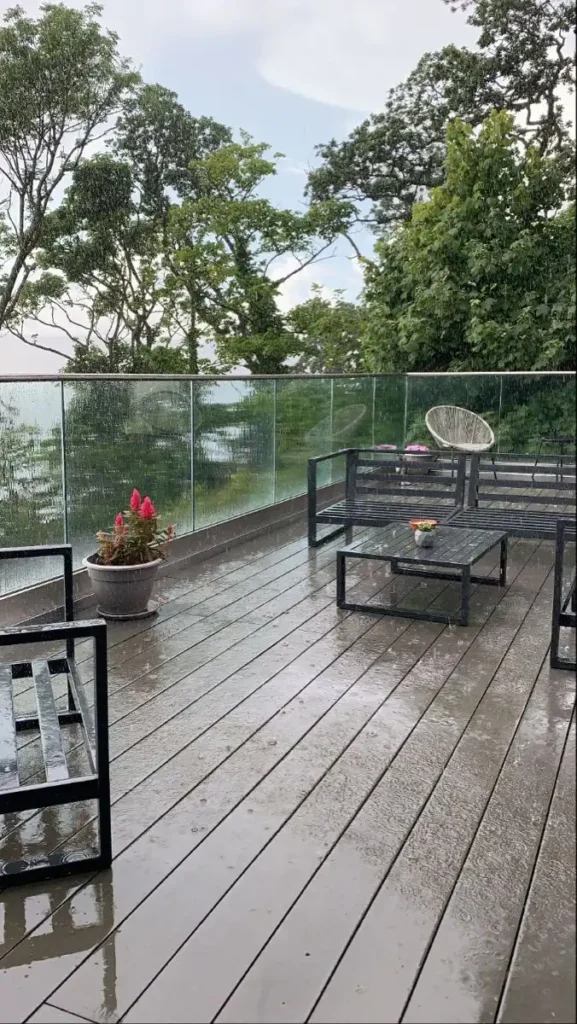
Rain can be surprisingly tough on outdoor furniture, especially if water tends to sit on your patio after storms. That’s why how to choose patio furniture for your climate should always include thinking about moisture resistance.
One of my friends lives in an area where it rains almost every week, and she swears by synthetic resin wicker paired with aluminum frames. It gives her the cozy woven look she loves without worrying about rot or mold.
Quick-drying cushions are another game changer. Nobody wants to wait two days before sitting outside after a little rain shower, right?
Whenever possible, I also recommend choosing furniture with small gaps that allow water to drain instead of collecting on flat surfaces.
Pro Tip: Even weather-resistant furniture lasts longer when it’s covered during long periods of rain.
Coastal Homes Need Salt-Resistant Materials
If you’re lucky enough to live near the beach, I’m honestly a little jealous. Coastal patios are gorgeous, but salty air creates challenges that many people don’t expect.
One of the smartest things you can do when learning how to choose patio furniture for your climate is avoiding materials that corrode easily. Salt speeds up rust and can wear down finishes much faster than regular outdoor exposure.
Marine-grade aluminum, teak, and recycled poly lumber are some of the most reliable choices for coastal homes. They stand up to salty air much better than ordinary steel furniture.
I also recommend rinsing your furniture with fresh water every few weeks. It only takes a few minutes, but it helps wash away salt buildup before it causes long-term damage.
| Coastal Material | Salt Resistance | Overall Rating |
|---|---|---|
| Marine Aluminum | ★★★★★ | Excellent |
| Teak | ★★★★★ | Excellent |
| HDPE Plastic | ★★★★★ | Excellent |
| Steel | ★★☆☆☆ | Fair |
| Iron | ★☆☆☆☆ | Poor |
Don’t Forget About Winter Storage
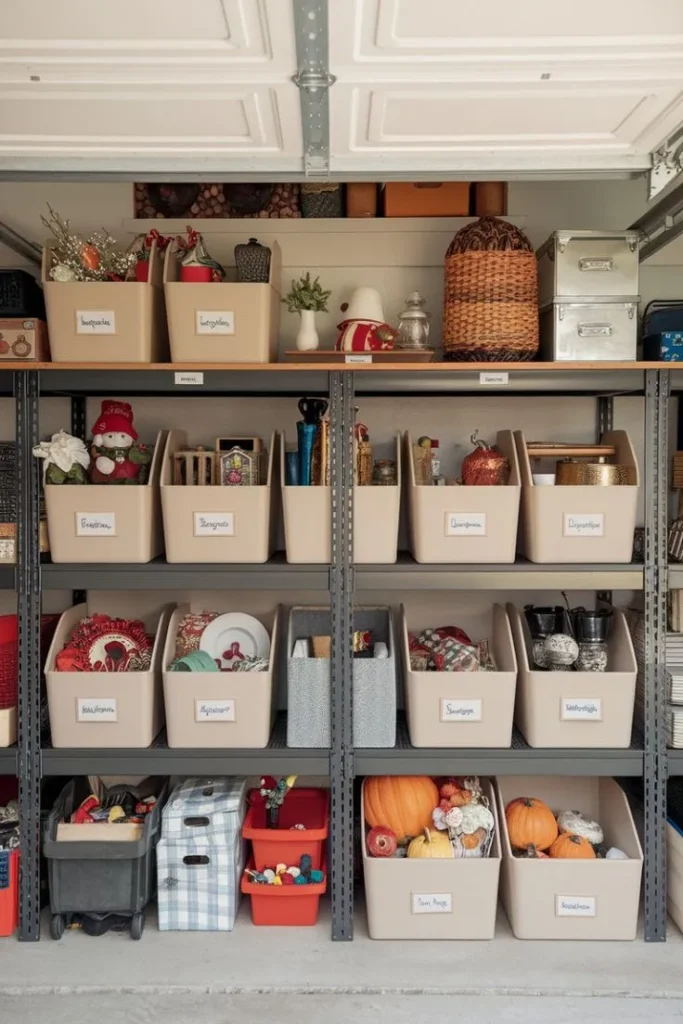
Even if your furniture is weather-resistant, winter can still be incredibly hard on outdoor materials.
Snow, ice, and repeated freezing and thawing can weaken finishes over time. That’s why I always include seasonal storage when talking about how to choose patio furniture for your climate.
If you have room in a garage or shed, storing cushions indoors during winter makes a huge difference. They’ll stay cleaner, smell fresher, and last much longer.
For larger furniture pieces, waterproof furniture covers are one of the easiest investments you can make. I honestly wish I’d bought mine years earlier because they save so much cleaning every spring.
Pro Tip: Clean furniture before covering it for winter. Dirt trapped underneath covers can sometimes encourage mildew.
Compare the Most Popular Patio Furniture Materials
Choosing between materials can feel overwhelming because every retailer claims their furniture is the best.
Instead of believing the marketing, I like comparing materials based on maintenance, durability, weather resistance, and overall value. It makes shopping so much easier.
| Material | Durability | Maintenance | Weather Resistance | Budget Friendly |
|---|---|---|---|---|
| Aluminum | ★★★★★ | Low | Excellent | Yes |
| Teak | ★★★★★ | Medium | Excellent | No |
| Resin Wicker | ★★★★☆ | Low | Very Good | Yes |
| Steel | ★★★★☆ | Medium | Good | Yes |
| HDPE Plastic | ★★★★★ | Very Low | Excellent | Medium |
Honestly, if I had to recommend one material for most homeowners, aluminum would probably win because it performs well in almost every climate while staying affordable.
Common Mistakes to Avoid When Choosing Patio Furniture
I wish someone had given me this list before I bought my first outdoor furniture set because it would’ve saved me so much money.
The biggest mistake is buying furniture based only on appearance. I completely understand because we’ve all fallen in love with those gorgeous Pinterest patios, but beautiful furniture isn’t always practical for your local weather.
Another common mistake is ignoring maintenance requirements. Some materials look incredible but need regular oiling, sealing, or cleaning to stay that way.
I also don’t recommend buying indoor cushions for outdoor furniture. It might seem like a way to save money, but outdoor fabrics are specifically designed to resist fading, mildew, and moisture.
Finally, don’t forget to measure your patio before shopping. My neighbor once ordered an amazing sectional that literally didn’t fit through her backyard gate. We still laugh about it today, lol.
My Favorite Buying Checklist Before You Shop
Whenever I’m helping someone figure out how to choose patio furniture for your climate, I always suggest running through a simple checklist before clicking “Add to Cart.”
Ask yourself these questions:
- Does this material work well in my climate?
- Will it receive direct sunlight every day?
- Is it resistant to rust, moisture, or UV damage?
- How much maintenance am I realistically willing to do?
- Can I store or cover it during extreme weather?
- Are replacement cushions available?
- Does it fit both my patio and my budget?
This little checklist has honestly kept me from making several impulse purchases that I probably would’ve regretted later.
Final Thoughts on How to Choose Patio Furniture for Your Climate
At the end of the day, how to choose patio furniture for your climate isn’t about buying the most expensive outdoor set or copying every viral backyard makeover on social media. It’s about finding furniture that fits your lifestyle, your weather, and the amount of maintenance you’re actually willing to do.
I truly believe your outdoor space should be somewhere you love spending time, whether you’re enjoying your morning coffee, hosting family dinners, or relaxing with a good book after work. Choosing climate-appropriate furniture helps make that possible without constant repairs or replacements.
If there’s one piece of advice I’d leave you with, it’s this: always put durability first and style second. The good news is that today’s outdoor furniture gives you both. There are so many gorgeous options that can handle sunshine, rain, humidity, snow, and even salty coastal air while still looking absolutely stunning.
I hope this guide makes how to choose patio furniture for your climate feel so much less overwhelming. Happy decorating, girl! I have a feeling your dream patio is going to be every bit as beautiful as those Pinterest boards you’ve been saving—and it’ll stay that way for years to come.

Leave a Reply