
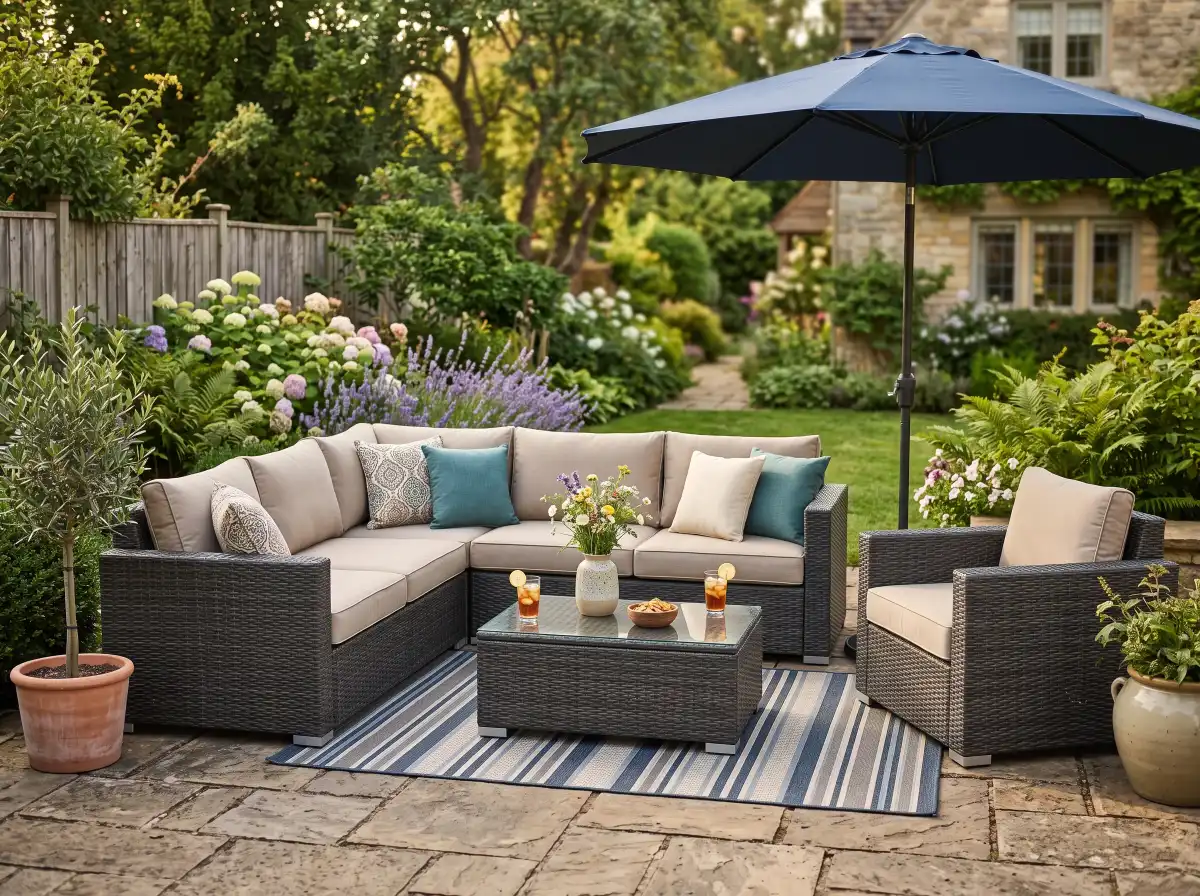
Wondering how to weatherproof patio furniture without spending a fortune every season? Girl, these simple tricks will help your patio furniture survive rain, sunshine, snow, and everything in between while still looking absolutely gorgeous.
Have you ever walked outside after a long winter or a week of heavy rain only to find your favorite patio chair faded, rusty, or covered in mildew? Oh my…I’ve definitely been there. A few years ago, I bought the cutest outdoor conversation set because it looked so aesthetic on Pinterest, but I made one huge mistake—I assumed “outdoor furniture” meant it could magically survive every kind of weather without any help. Spoiler alert: it couldn’t.
After replacing cushions twice (ugh) and watching my wooden coffee table crack in the summer heat, I became slightly obsessed with learning how to weatherproof patio furniture the right way. My friend Jess laughed because I suddenly became the girl who researched sealants, furniture covers, and waterproof sprays on a Friday night. Honestly though? It totally paid off.
The best part is that learning how to weatherproof patio furniture isn’t difficult or expensive. Most of these ideas are budget-friendly, beginner-friendly, and honestly kind of satisfying once you see your outdoor space staying beautiful month after month.
In this guide, I’m sharing my favorite weatherproofing tips that are trending on Pinterest, recommended by outdoor décor lovers everywhere, and simple enough that you can finish most of them in a weekend. Grab your coffee, girl—we’re about to protect that gorgeous patio you’ve worked so hard to create.
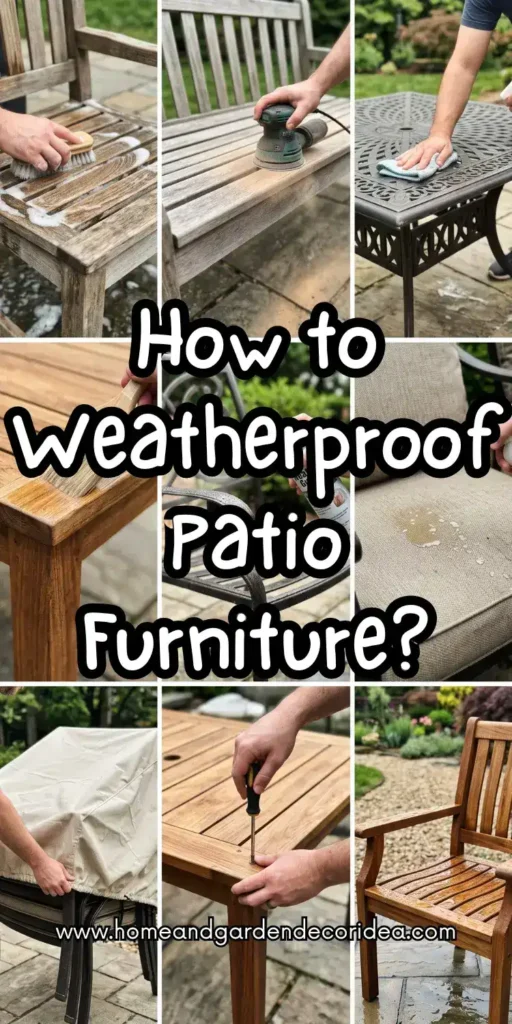
Why Learning How to Weatherproof Patio Furniture Is Totally Worth It
Before we dive into all the fun ideas, let’s talk about why how to weatherproof patio furniture matters so much.
Weatherproofing doesn’t just keep your furniture looking Instagram-worthy. It also saves you money because you’re not replacing chairs, tables, cushions, and accessories every single season. I can’t say enough about how much this changed my outdoor decorating budget.
Even better, properly protected furniture stays cleaner, lasts longer, and is always ready whenever friends unexpectedly stop by for backyard coffee dates.
Quick Comparison: Weatherproofed vs. Unprotected Furniture
| Feature | Weatherproofed Furniture | Unprotected Furniture |
|---|---|---|
| Lifespan | 8–15+ years | 2–5 years |
| Fading | Minimal | Significant |
| Mold Growth | Rare | Common |
| Rust | Prevented | Likely |
| Cleaning | Easy | Frequent deep cleaning |
| Overall Cost | Lower over time | More replacements |
1. Start with a Deep Clean Before Weatherproofing
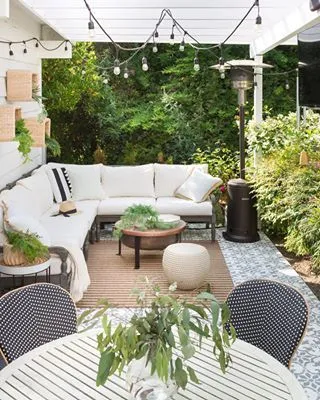
The very first step in how to weatherproof patio furniture is giving everything a proper cleaning. I know it’s tempting to skip this part, but trust me—it makes a huge difference.
Think of it like applying skincare over dirty makeup. Nothing sticks properly.
I usually mix warm water with a little dish soap and gently scrub every surface before applying any protective products. My neighbor Sarah skipped this step once, and her protective spray peeled within a few weeks.
Pro Tip: Let every piece dry completely for at least 24 hours before adding any sealants or waterproof sprays. Moisture trapped underneath can cause mold later.
2. Apply a Protective Sealant to Wooden Furniture
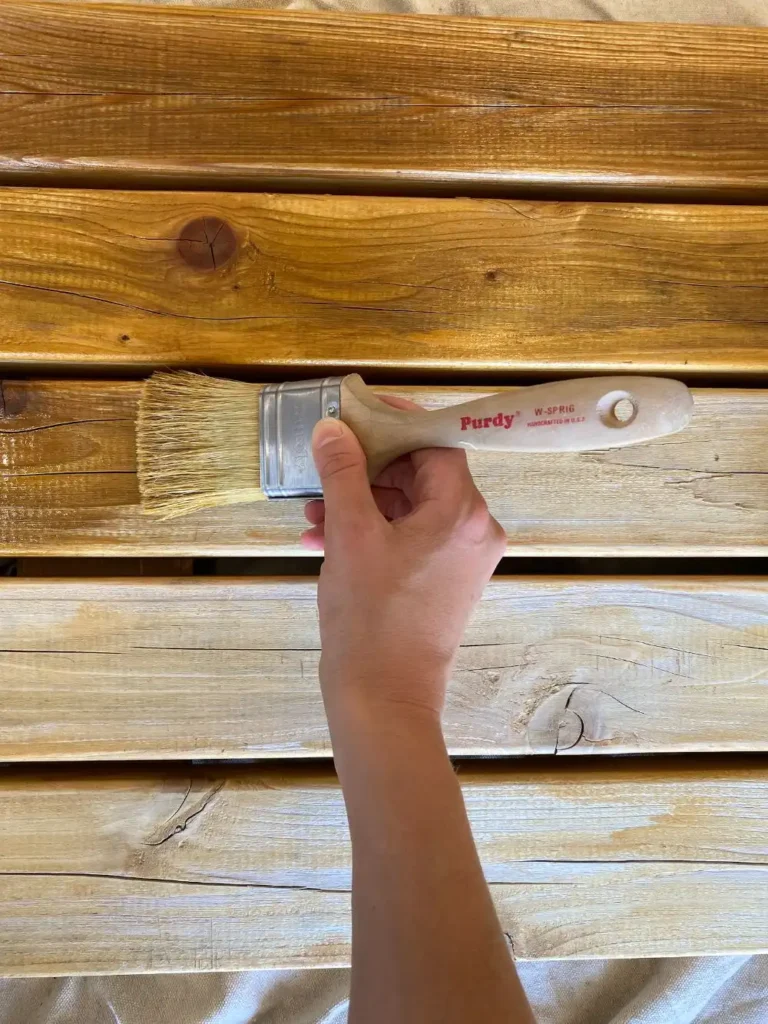
If you own wooden patio furniture, this is honestly one of my favorite tips for how to weatherproof patio furniture.
Wood naturally expands, contracts, and absorbs moisture. Without protection, rain and harsh sunlight can quickly cause cracking and fading.
I love using an outdoor wood sealant every year. It keeps the natural grain looking beautiful while creating an invisible shield against water.
This idea has become incredibly popular on Pinterest because it dramatically extends the life of wooden patio sets.
Pro Tip: Apply two thin coats instead of one thick coat for better durability.
3. Use Waterproof Furniture Covers Every Night
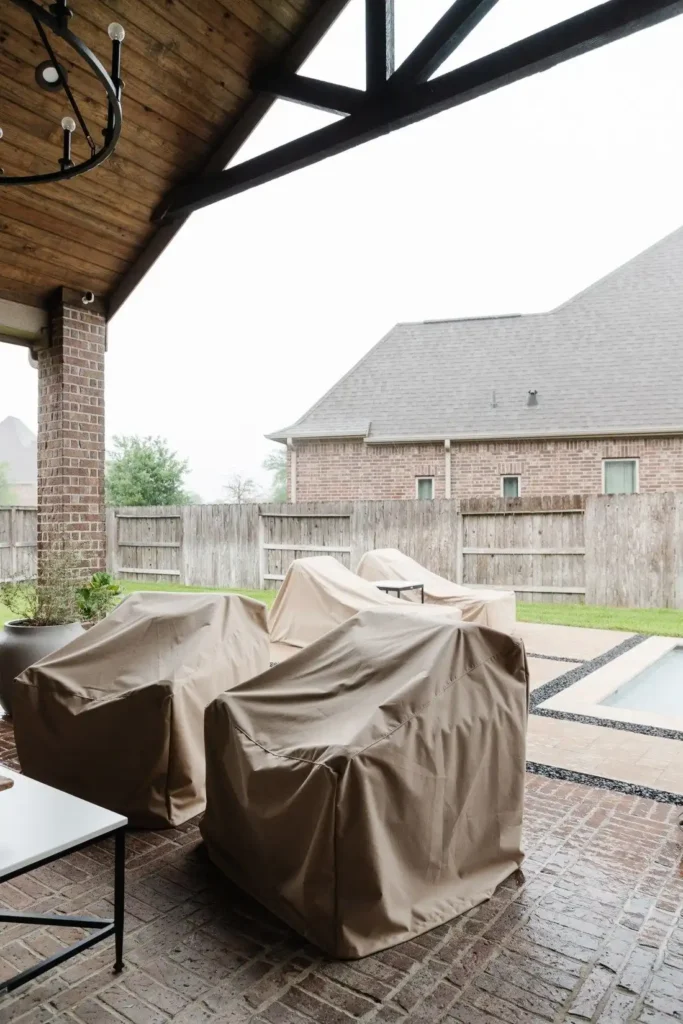
I used to think furniture covers looked boring.
Now? I’m seriously obsessed with them.
One of the easiest ways to master how to weatherproof patio furniture is simply covering everything whenever you’re not using it. Modern covers actually look sleek and fit surprisingly well.
The bonus is less dust, fewer leaves, and almost zero bird messes.
Pro Tip: Choose breathable covers instead of plastic tarps to prevent trapped moisture.
4. Protect Outdoor Cushions with Fabric Guard Spray
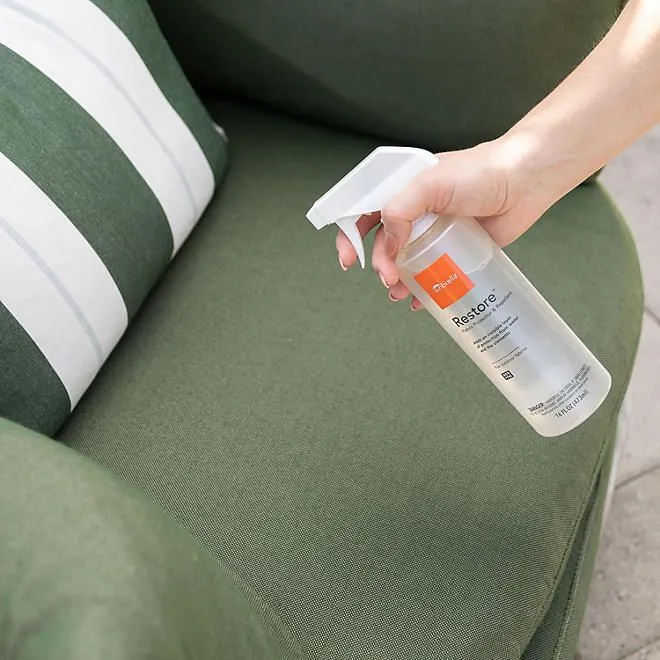
Outdoor cushions might be my biggest weakness because I always buy the prettiest patterns.
Unfortunately, they’re also magnets for rain, spills, and mildew.
Using a waterproof fabric protector is one of the smartest ways to improve how to weatherproof patio furniture without changing the look of your space.
I reapply fabric spray every spring, and my cushions still look surprisingly new after several seasons.
Pro Tip: Spray both sides of every cushion—not just the top.
5. Prevent Rust Before It Starts
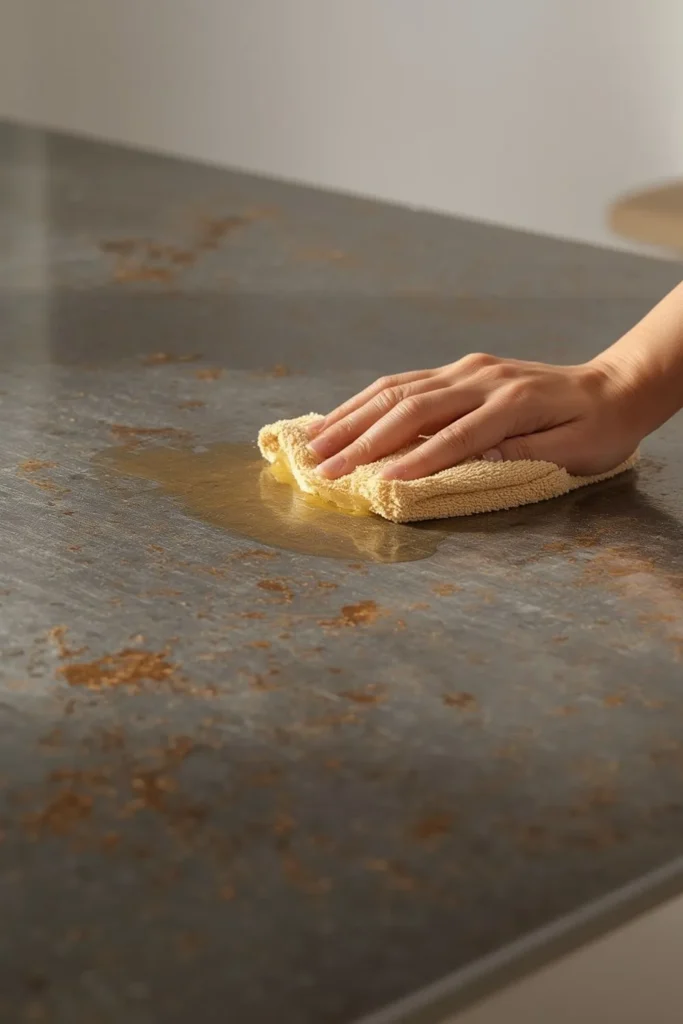
Metal furniture is gorgeous, modern, and timeless.
But if you’ve ever seen tiny rust spots spread across a chair, you already know why how to weatherproof patio furniture includes rust prevention.
Check metal frames every few months. If you spot a chip in the paint, touch it up immediately before moisture gets underneath.
Honestly, five minutes of maintenance can save years of damage.
Pro Tip: Apply a clear outdoor metal wax for an extra layer of protection.
My Favorite Weatherproofing Products
| Product Type | Why I Love It |
|---|---|
| Furniture Covers | Protects against rain, UV rays, and dirt |
| Fabric Protector Spray | Keeps cushions dry |
| Wood Sealant | Prevents cracking |
| Rust-Resistant Paint | Stops corrosion |
| UV Protectant Spray | Reduces fading |
6. Protect Your Patio Furniture from Harsh UV Rays
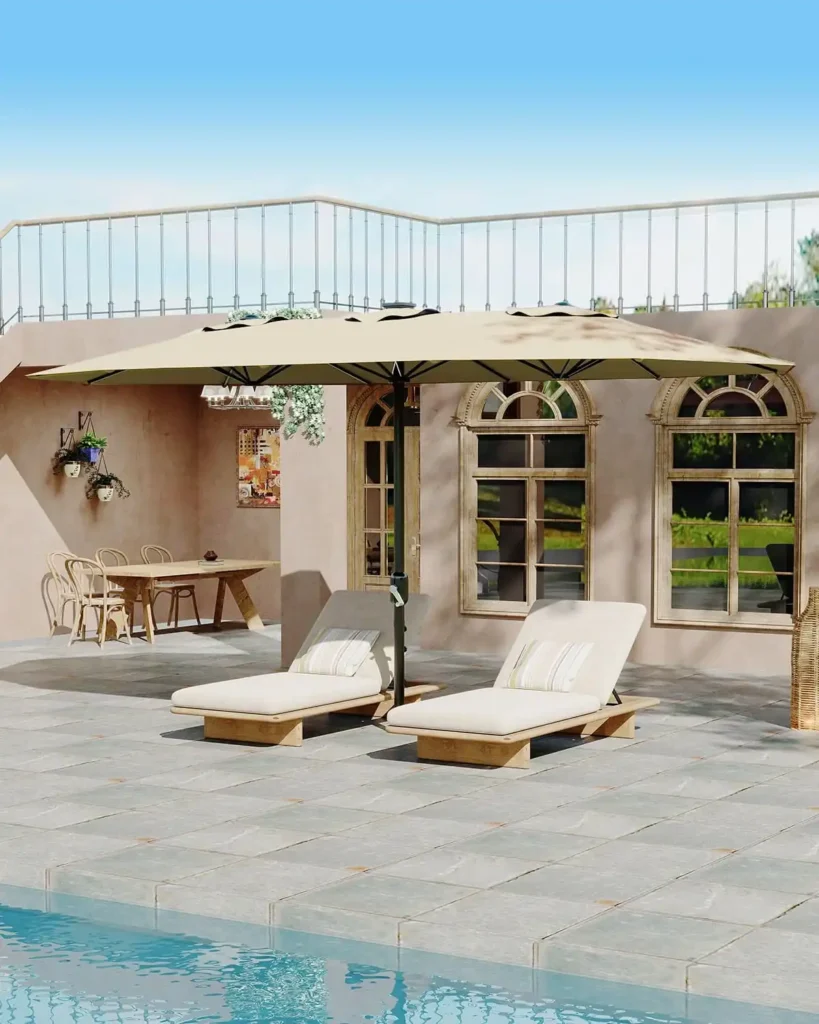
One thing I completely underestimated when I first learned how to weatherproof patio furniture was just how much damage the sun can do. We all worry about rain, but honestly? Those intense UV rays can fade colors, dry out wood, and even make plastic furniture brittle over time.
I noticed this after one summer when my cute navy-blue cushions turned into a sad grayish-blue. My friend Emily thought I had bought a whole new set because the color changed so much! Ever since then, I’ve been using a UV protectant spray every season, and I seriously can’t recommend it enough.
If your patio gets direct sunlight for most of the day, consider placing a large umbrella, pergola, or shade sail over your seating area. It’s one of the easiest ways to improve how to weatherproof patio furniture while making your outdoor space feel cooler and more comfortable.
Pro Tip: Reapply UV protectant every few months during peak summer for the best protection.
7. Store Furniture During Extreme Weather
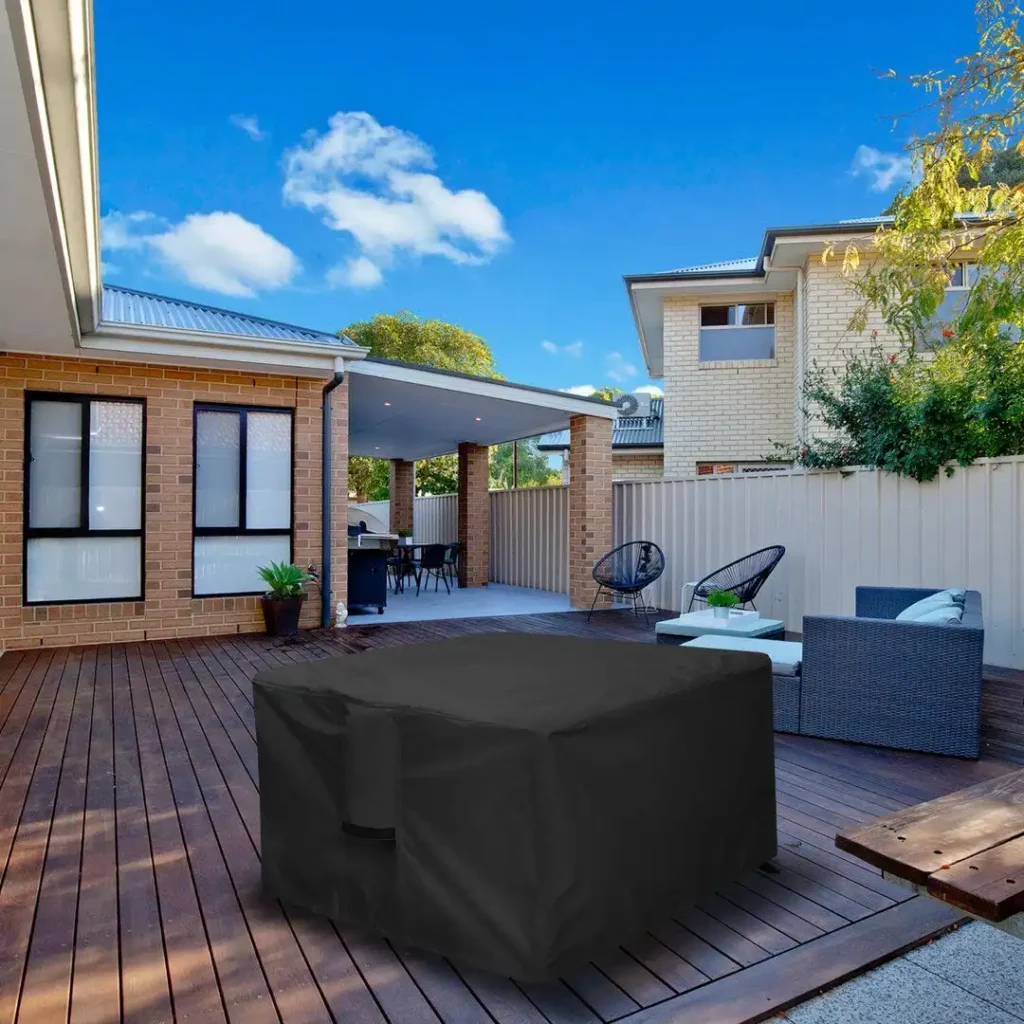
I know…moving furniture isn’t exactly glamorous.
But if you’re serious about how to weatherproof patio furniture, storing pieces during hurricanes, heavy snowstorms, or extended rainy seasons is honestly one of the smartest things you can do.
My parents have had the same patio dining set for over ten years, and their secret isn’t expensive furniture—it’s simply putting everything in the garage whenever severe weather is coming. That tiny habit has probably saved them hundreds of dollars.
Even if you don’t have a garage, a weather-resistant storage shed or covered porch works beautifully.
Pro Tip: Stack lightweight chairs with towels between them to prevent scratches while they’re stored.
8. Choose Weather-Resistant Materials from the Start
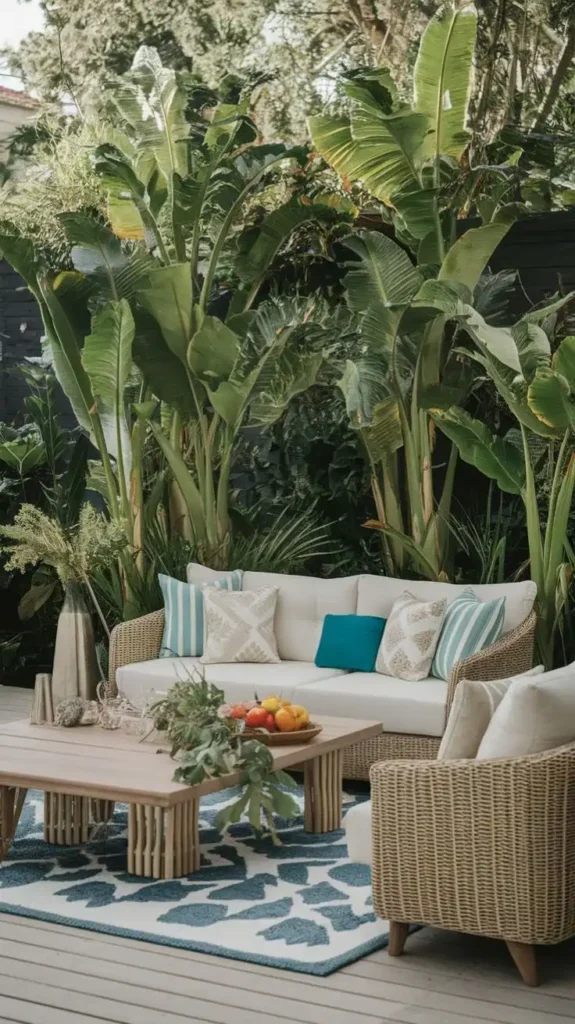
If you’re shopping for new furniture, learning how to weatherproof patio furniture actually begins before you even bring it home.
Some materials naturally handle the outdoors much better than others, which means less maintenance and fewer headaches later. Honestly, I wish someone had told me this years ago!
Aluminum, teak, recycled plastic, resin wicker, and powder-coated steel are some of the most durable options. They’re incredibly popular right now because they’re stylish, low-maintenance, and built for year-round use.
Instead of replacing cheap furniture every couple of years, investing in quality materials usually saves money over time.
Pro Tip: Look for furniture specifically labeled “all-weather” or “commercial-grade” if you want maximum durability.
Material Comparison Guide
| Material | Weather Resistance | Maintenance | Budget |
|---|---|---|---|
| Teak Wood | Excellent | Medium | $$$ |
| Aluminum | Excellent | Low | $$ |
| Resin Wicker | Very Good | Low | $$ |
| Plastic Resin | Excellent | Very Low | $ |
| Steel | Good (if coated) | Medium | $$ |
| Natural Wicker | Poor Outdoors | High | $$ |
9. Keep Furniture Elevated Off Wet Ground
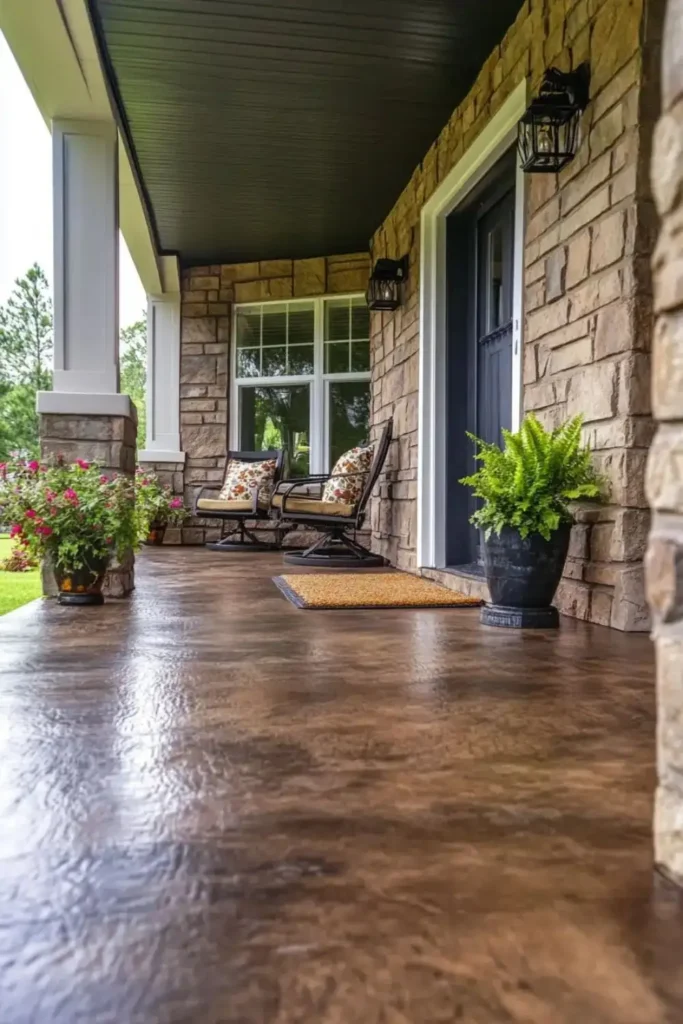
This little trick completely changed the way I think about how to weatherproof patio furniture.
Furniture legs sitting directly in puddles or constantly damp areas can absorb moisture much faster. That means rust, rot, mildew, and all the annoying problems we’re trying to avoid.
I added small rubber furniture feet underneath my outdoor chairs after seeing the idea trending on Pinterest, and they’ve worked amazingly well. They also help protect my patio from scratches, which is a nice bonus.
If your patio tends to collect water after rain, definitely check your drainage too. Sometimes fixing that solves half the problem.
Pro Tip: Rubber or silicone furniture feet are inexpensive and help improve airflow underneath each piece.
10. Protect Wicker Furniture with Extra Care
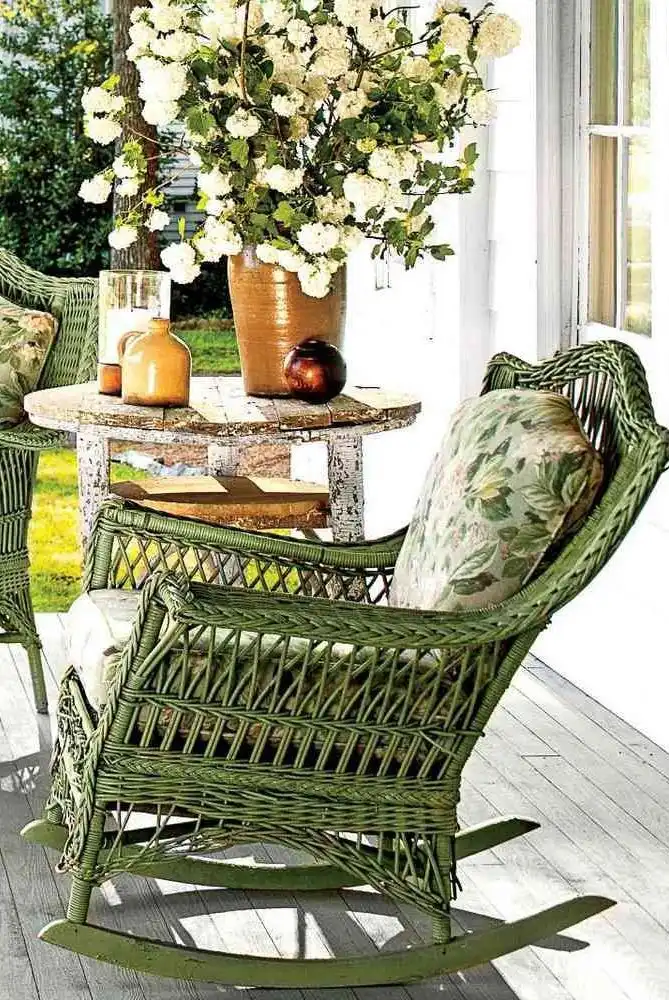
Can we just agree that wicker furniture is absolutely gorgeous?
I’m seriously obsessed with how cozy and aesthetic it makes a patio feel. But if you’re learning how to weatherproof patio furniture, wicker deserves a little extra attention.
Natural wicker doesn’t love constant moisture, while resin wicker performs much better outdoors. If you already own natural wicker, keep it under a covered patio whenever possible and always use waterproof covers during rainy weather.
I also like using a soft brush every few weeks to remove dust from all those tiny woven spaces. It keeps everything looking fresh without damaging the material.
Pro Tip: Never pressure wash wicker furniture—it can weaken the weave over time.
Quick Maintenance Schedule
| Task | How Often |
|---|---|
| Wash furniture | Monthly |
| Clean cushions | Every 4–6 weeks |
| Reapply UV spray | Every 3–4 months |
| Apply wood sealant | Once per year |
| Inspect for rust | Monthly |
| Deep clean everything | Spring and Fall |
So far we’ve covered ten of my favorite tips for how to weatherproof patio furniture, and honestly, these simple habits can completely transform how long your outdoor furniture lasts. The best part is that most of them only take a few minutes but save you from expensive replacements later.
How to Weatherproof Patio Furniture: 15 Easy Ways to Keep Your Outdoor Space Beautiful All Year Long (Part 3)
11. Tighten Loose Screws and Hardware Regularly
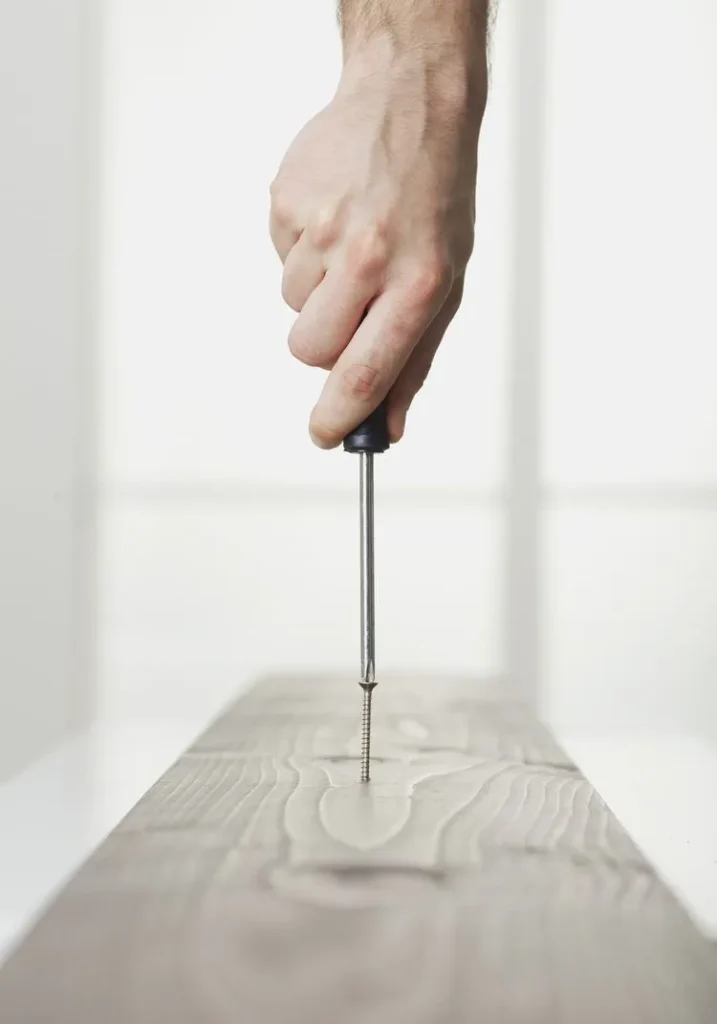
This might sound like the least exciting tip in this whole guide about how to weatherproof patio furniture, but girl, don’t skip it.
Outdoor furniture expands and contracts with changing temperatures, which means screws, bolts, and joints naturally loosen over time. I learned this the hard way when one of my patio chairs started wobbling right before we hosted a backyard brunch. Thankfully, no one ended up on the ground, lol, but it definitely taught me a lesson!
Now I do a quick inspection every couple of months, and it takes less than ten minutes. A small screwdriver and wrench can prevent much bigger repairs later.
Pro Tip: Add a tiny drop of thread-locking adhesive to frequently loose screws for extra durability.
12. Keep Your Patio Furniture Dry After Rain
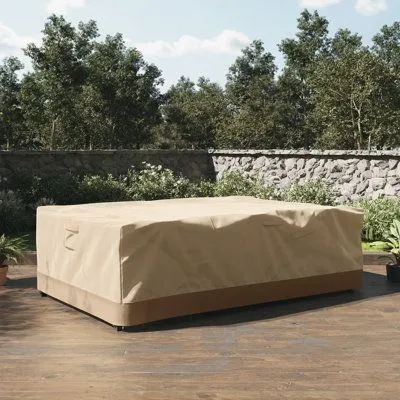
One of the simplest secrets to how to weatherproof patio furniture is also one of the easiest to forget.
After a heavy rain, I always grab an old microfiber towel and wipe down tables, chair arms, and cushions. It sounds almost too simple, but standing water is one of the biggest causes of mildew, rust, and water stains.
My friend Lauren used to leave everything soaking wet for days, and her cushions developed mildew that never completely came out. Ever since then, she keeps a towel by the back door just for quick patio cleanups.
Even if your furniture is labeled weather-resistant, drying it off helps extend its life and keeps everything looking fresh.
Pro Tip: Tilt chairs or cushions slightly after rain so water drains instead of pooling.
13. Refresh Protective Coatings Every Year
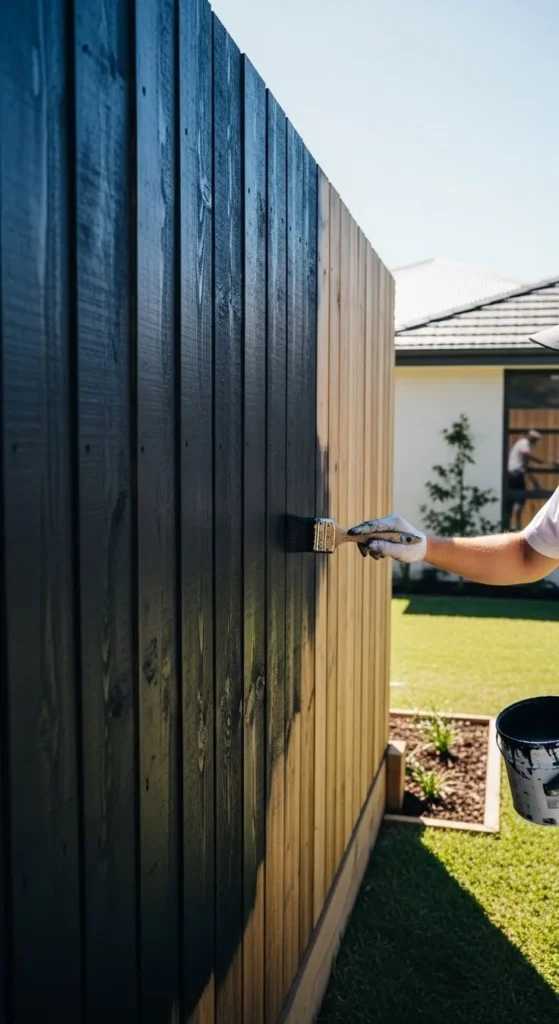
Here’s something I wish I had known sooner: weatherproofing isn’t a one-and-done project.
Learning how to weatherproof patio furniture means understanding that sealants, waterproof sprays, and UV protectants gradually wear off. Sun, rain, wind, and everyday use slowly break down those protective layers.
I actually mark a reminder in my phone every spring. It has become part of my annual patio refresh, right alongside planting flowers and decorating with new throw pillows.
Honestly, spending one afternoon each year maintaining your furniture is so much easier than replacing it.
Pro Tip: Choose a warm, dry day for reapplying protective products so they cure properly.
14. Rearrange Furniture Throughout the Season

This is one of those little tricks that’s surprisingly effective for how to weatherproof patio furniture.
If one chair sits in direct sunlight all day while another stays shaded, they’ll age differently. Rotating furniture every few weeks helps everything wear more evenly and keeps colors looking consistent.
Plus, I secretly love rearranging my patio every season because it makes the whole space feel brand new without spending any money. My husband laughs because I treat my patio like my living room, but honestly, it’s so much fun!
This idea is becoming really popular on Pinterest because it’s completely free yet makes a noticeable difference.
Pro Tip: Rotate cushions too, especially reversible ones, to reduce uneven fading.
15. Create a Seasonal Patio Maintenance Routine
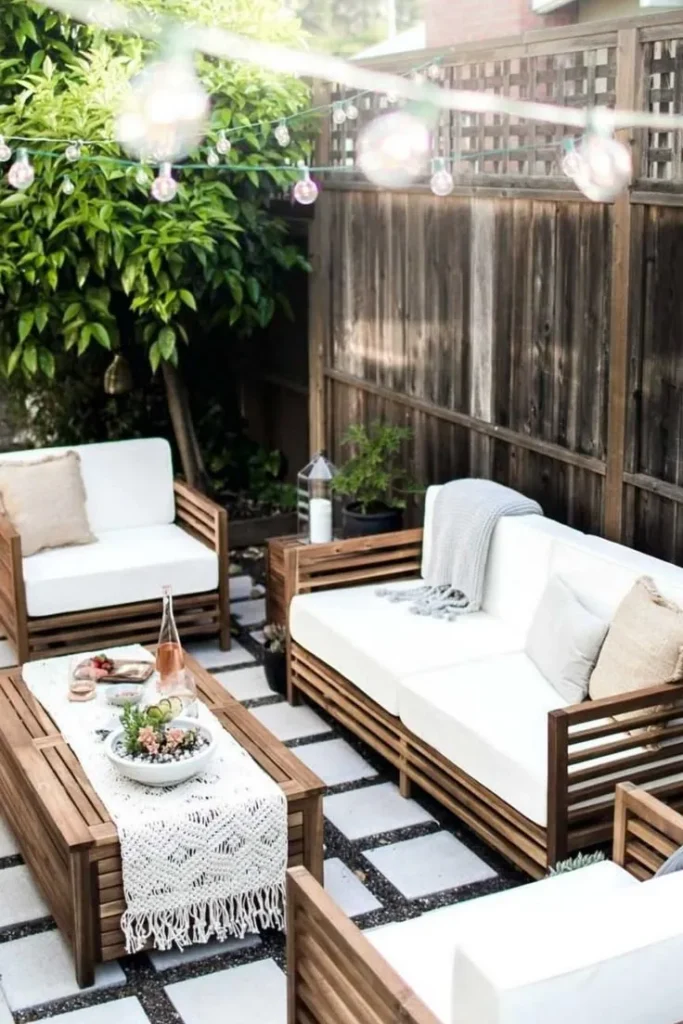
If there’s one habit that completely changed the way I approach how to weatherproof patio furniture, it’s having a simple maintenance routine.
Instead of waiting until something looks damaged, I spend about fifteen minutes every month checking for dirt, moisture, rust, loose hardware, or fading. It feels much less overwhelming than tackling a huge restoration project later.
Honestly, once this routine became a habit, maintaining my outdoor space became almost effortless. Now my patio is always ready for morning coffee, girls’ nights, or those spontaneous summer barbecues.
I highly recommend creating a calendar reminder so you never have to wonder when it’s time for your next checkup.
Pro Tip: Keep all your patio cleaning supplies together in one weatherproof storage bin to make maintenance quick and convenient.
My Favorite Year-Round Patio Maintenance Checklist
| Season | What I Always Do |
|---|---|
| Spring | Deep clean, inspect for winter damage, apply sealants and UV protectant |
| Summer | Wipe away pollen, rotate furniture, clean cushions regularly |
| Fall | Remove leaves, inspect hardware, clean before cooler weather |
| Winter | Cover or store furniture, brush off snow, check for moisture buildup |
Common Weatherproofing Mistakes to Avoid
| Mistake | Better Solution |
|---|---|
| Covering wet furniture | Let everything dry completely first |
| Skipping annual sealant | Reapply protective coatings every year |
| Leaving cushions outside constantly | Store cushions during storms |
| Ignoring tiny rust spots | Sand and repaint immediately |
| Using indoor cleaners outdoors | Choose products designed for exterior furniture |
| Waiting until furniture looks damaged | Perform regular preventative maintenance |
Frequently Asked Questions
How often should I weatherproof patio furniture?
For most outdoor furniture, I recommend applying protective sealants or waterproof sprays once a year. If your patio gets intense sun or frequent rain, touching up protection every few months is even better.
What’s the easiest way to weatherproof patio furniture?
Honestly, using quality furniture covers is probably the fastest and most affordable solution. Pair that with annual cleaning and protective sprays, and you’ll dramatically extend your furniture’s lifespan.
Can patio furniture stay outside all year?
Yes—many outdoor furniture materials are designed for year-round use. However, using covers and storing cushions during extreme weather will keep everything looking newer for much longer.
Is weatherproofing expensive?
Not at all! Most weatherproofing supplies cost far less than replacing damaged furniture. A few protective products can help save hundreds of dollars over time.
Final Thoughts
If you’ve been wondering how to weatherproof patio furniture, I hope this guide shows that protecting your outdoor space doesn’t have to be complicated or expensive. A few simple habits—like cleaning regularly, using furniture covers, applying protective sealants, and checking for small problems before they become big ones—can make an incredible difference.
Honestly, my patio has become one of my favorite places to relax because I know my furniture is protected no matter what the weather decides to do. Whether I’m sipping coffee on a cool spring morning, hosting friends for dinner, or curling up outside with a blanket on a crisp fall evening, it’s always ready to enjoy.
Girl, your patio deserves to be just as beautiful in every season as it is the day you decorate it. Start with one or two of these tips this weekend, and before you know it, you’ll have an outdoor space that’s stylish, durable, and ready for year-round memories. Trust me—you’ll be so glad you did!

Leave a Reply