The most current and genuinely useful guide to cabinet design trends for 2026 and 2027 — because knowing what is happening in kitchen design right now helps you make decisions that will look considered and intentional for years rather than dated within months.
There is a particular kind of design regret that is specific to kitchen renovations. You make a decision that felt very right at the time — very current, very much what everyone was doing — and five years later you look at it and think “oh, that is very clearly from a specific moment in time.”
Not wrong, not ugly, but unmistakably dated in the way that certain decisions always eventually become. The cool grey and stark white kitchen that was everywhere from 2015 to 2022 now reads, to a trained eye, as being from exactly that era.
The goal of following design trends is not to chase every movement in search of the most current kitchen — it is to understand the direction things are moving so that your decisions feel forward-looking rather than backward-looking, so that what you choose now has some staying power and does not immediately date the space.
My friend Yasmin is a design journalist who covers kitchen and home design for a major publication, and she says the most useful way to think about design trends is not “what is the most trendy thing right now” but “what direction are things moving and why.” The why matters enormously — because trends that are driven by genuine shifts in how people live and what they value tend to have more staying power than trends that are purely aesthetic responses to what came before.
And right now, Yasmin says, the direction kitchen cabinet design is moving has a very clear why behind it: a collective shift away from the clinical, performatively clean, white-everything aesthetic of the 2010s toward something warmer, more personal, more grounded in real materials and real living.
This is the complete cabinet design trend report for 2026 and into 2027 — what is in, what is out, and how to use this information to make decisions you will be happy with for the years ahead.
The Big Picture: Where Cabinet Design Is Going in 2026/27
Before the specific in and out lists, the overarching direction that nearly every trend expert, kitchen designer, and design publication is pointing toward right now.
Kitchen cabinet colors in 2026 are moving beyond basic whites and neutrals into richer, more expressive tones. Personality, warmth, and timeless style that still feels modern are the defining qualities of today's most influential kitchens.
After years of bright white kitchens and cool gray tones, 2026 is taking a softer, warmer turn. Designers and homeowners are leaning toward colors that feel grounded, natural, and a little more "lived-in" — creating kitchens that look beautiful and feel like home.
The top 2026 trends emphasize sustainability, functionality, and bold aesthetics — kitchens that are both beautiful showpieces and genuinely functional everyday spaces.
The unifying theme is a move from aspiration to authenticity — from kitchens that look impressive to kitchens that feel genuinely livable. From sterile to warm. From clinical to characterful. This is the lens through which everything on the In list makes sense, and through which everything on the Out list makes sense as a departure from.
WHAT IS IN: Cabinet Design Trends for 2026/27
1. Warm Neutrals Over Cool Neutrals — The Great Temperature Shift
This is the single most significant color direction shift happening in kitchen cabinet design right now, and it affects more kitchens in practical terms than any other trend on this list.
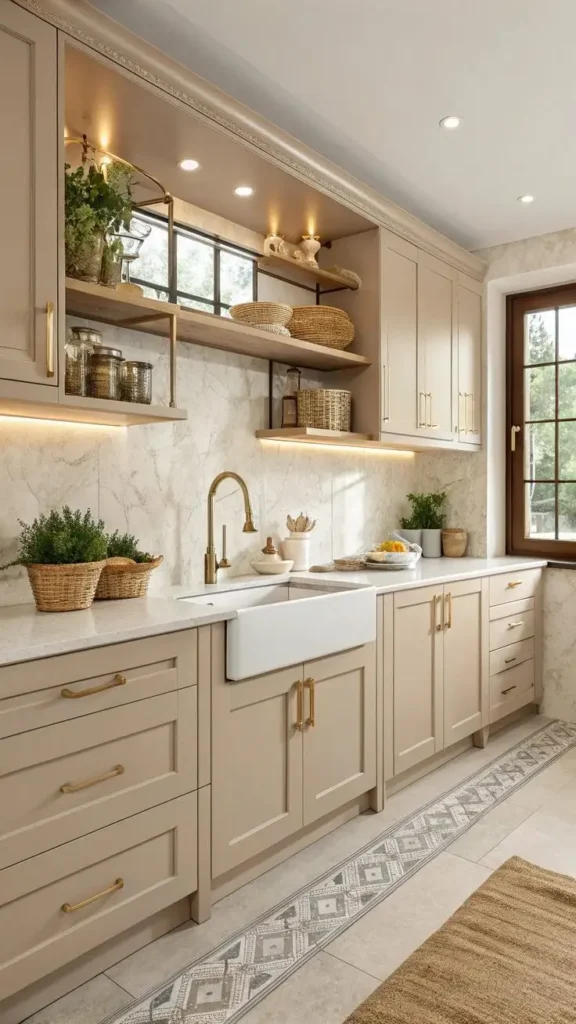
Shades of natural wood, beige, mushroom, and greige are bringing a calming balance that feels organic and lived-in — warmth and personality back into the heart of the home rather than the sterile look of new construction. The cool greys and stark whites that dominated kitchen cabinets for a decade are giving way to cream, warm white, mushroom, taupe, and greige — colors that read as equally neutral but with a warmth that the cool versions entirely lacked.
White is not going anywhere — it is just sharing the stage. Shades like mushroom and taupe are stepping into the spotlight, bringing warmth and depth without feeling dark or heavy.
Pantone's Color of the Year for 2026 is Cloud Dancer — the epitome of a soft neutral. This choice reflects a broader shift towards softer and more welcoming spaces. Using soft neutral cabinet finishes creates an open and airy feel.
What this means in practice: if you are choosing between a cool white and a warm cream, the warm cream is the direction design is moving. If you are choosing between a blue-grey and a warm greige, the warm greige is what will feel more current through the coming years.
Best picks for this direction: Benjamin Moore White Dove, Sherwin-Williams Alabaster, Benjamin Moore Pale Oak, any warm greige in the cream-to-beige family.
2. Natural Wood Tones — The Return of Genuine Material
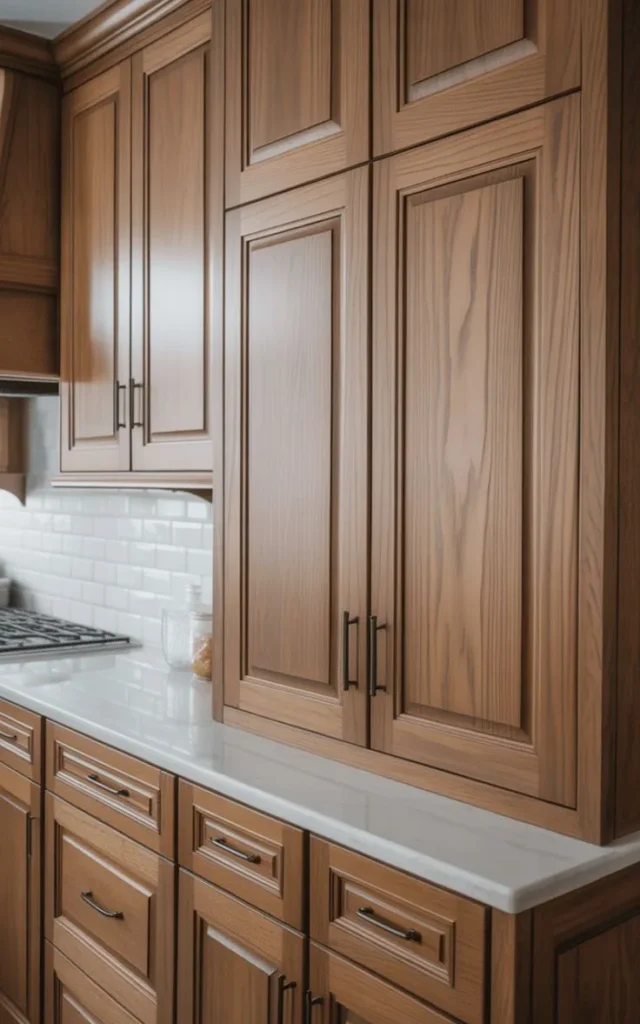
One of the most significant and broadly felt trends in kitchen design right now is the return of natural, unpainted wood as a primary or accent cabinet material — and it is a trend driven by the broader cultural shift toward authenticity in design that Yasmin describes as defining this entire era.
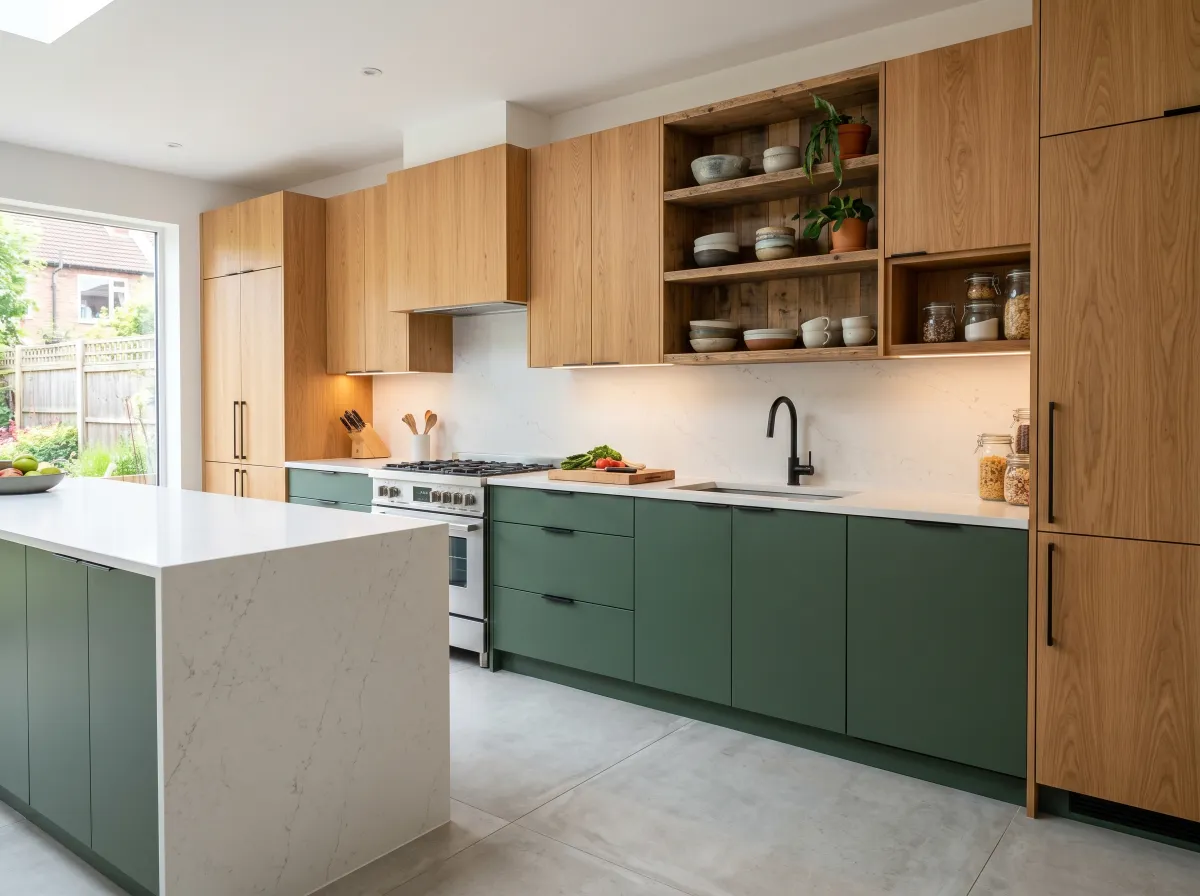
This trend emphasizes the inherent beauty of the wood grain itself, often showcased with minimalist hardware and simple cabinet door styles. Light oak, white oak, walnut, and other warm-toned natural woods are appearing in kitchens as island cabinetry, as lower cabinet faces paired with painted uppers, and increasingly as the primary cabinet material for the whole kitchen.
The natural wood look feels simultaneously very current and deeply timeless — because genuine materials have an authenticity that no manufactured finish can replicate, and authenticity is exactly what the post-2020s design sensibility is reaching for. A natural oak kitchen in 2026 will still look and feel like a considered, beautiful choice in 2036 in a way that any highly specific trend choice will not.
What to specify: Light oak and white oak are the most universally flattering wood tones for this trend. Walnut brings more drama and is particularly beautiful with white or cream upper cabinets. Avoid very orange or red-toned woods (cherry in its traditional stain, for example) which can read as from an earlier era rather than from this one.
3. Earthy, Saturated Colors With Depth — The Personality Palette
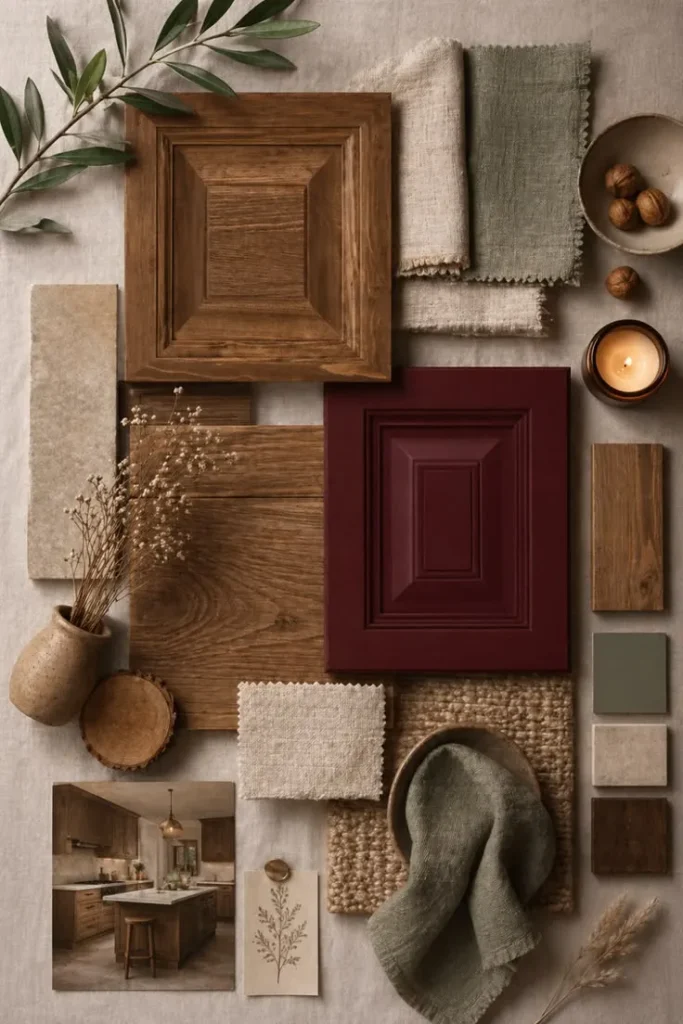
Terracotta, rust, caramel, and muted olive green are emerging as go-to hues for kitchen cabinets — earthy colors that evoke comfort, stability, and a connection to the natural world.
Alongside the warm neutrals trend, there is a parallel movement toward colors with genuine depth and character — the colors that unmistakably say "someone with a design sensibility made this choice" rather than "we chose the safe default." Sage green has been building for several years and remains strong. Terracotta is entering more boldly. Deep olive and warm forest green are increasingly seen on kitchen island cabinets and lower cabinet runs. Warm burgundy is arriving.
Statement colors like aubergine are one of the gorgeous kitchen cabinet trends set to take over in 2026. "Where white kitchens and light and airy designs were the rage for the past decade, moody, rich colors are now making their way through the home," according to interior designer Erin Coren of Curated Nest Interiors.
What distinguishes this trend from simply choosing any color: the colors that are in are earth-toned, muted rather than saturated to the point of intensity, and grounded in the natural world. Terracotta, sage, olive, warm burgundy, dusty teal — these are not neon, not primary colors, not the bold-for-bold's-sake choices. They are colors with depth and warmth and a sense of permanence.
4. Flat and Textured Cabinet Fronts — The Clean Canvas
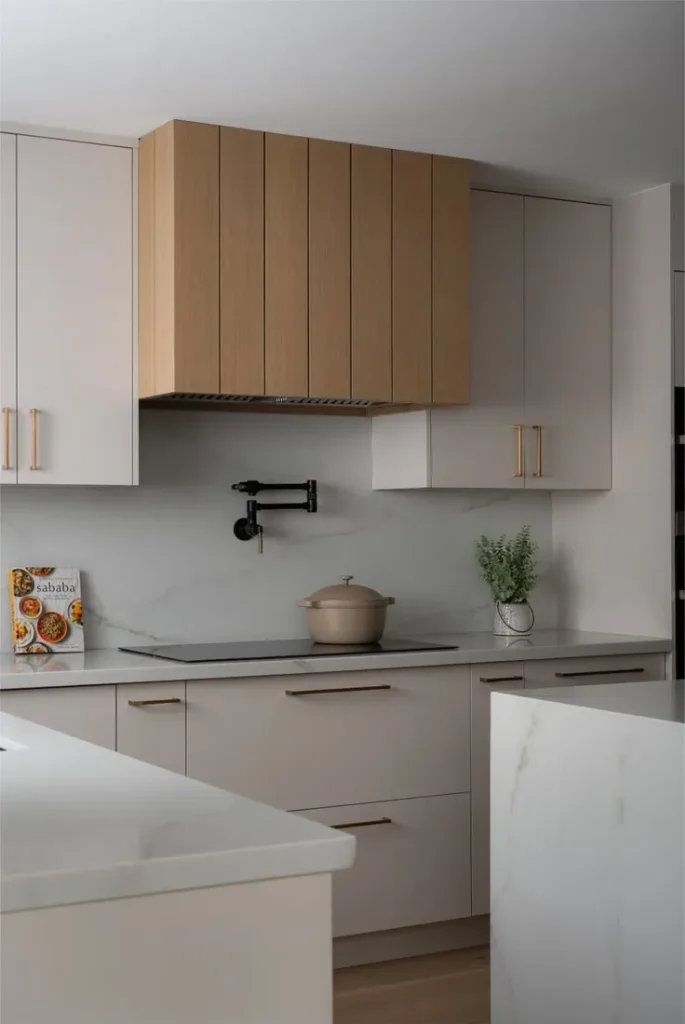
Flat or subtly textured cabinet fronts are dominating 2026 kitchen cabinet trends, offering a sleek, timeless canvas for whatever colors or finishes you choose.
The shaker cabinet door — the frame-and-panel style with a recessed center panel — has been the dominant kitchen cabinet door style for over a decade and remains broadly popular. What is entering alongside it are two related directions: the fully flat slab door for the most contemporary kitchens, and subtly textured flat fronts that add tactile interest without moving into the traditional detail of a shaker door.
The flat slab door is particularly well-suited to natural wood and contemporary painted finishes — the absence of detail lets the material and color be the complete story. The textured flat front (fluted, reeded, or subtly grooved surfaces) adds visual interest without the framing and paneling of traditional door styles.
5. Floor-to-Ceiling Cabinetry — The Built-In Moment
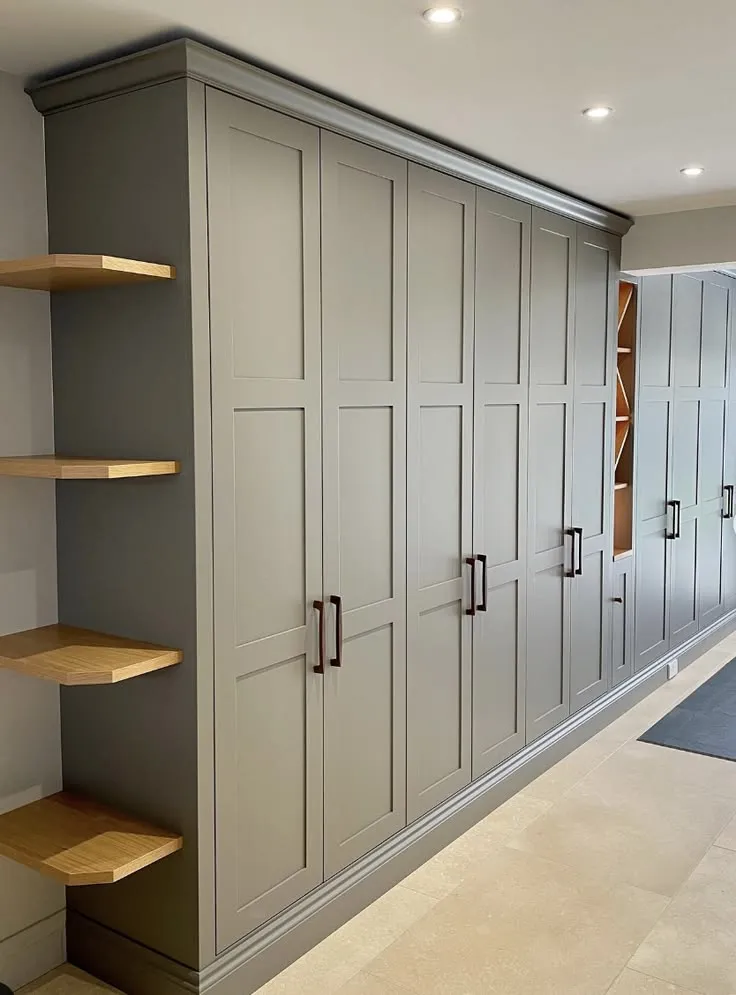
Floor-to-ceiling cabinetry not only maximizes storage but also creates a seamless, custom-built look that draws the eye upward — and in 2026, smart storage is not just a bonus, it is a must-have.
Cabinet runs that extend all the way from the floor to the ceiling — eliminating the gap between the top of the cabinet and the ceiling that collects dust and visually interrupts the kitchen — are a significant trend direction for 2026. This approach makes kitchens feel more custom, more intentional, and architecturally more complete than the traditional cabinet-with-soffit layout.
Floor-to-ceiling cabinets also provide significantly more storage than standard-height cabinets — which, combined with the broader move toward integrated appliances and hidden storage, reflects the growing priority of kitchens that maximize function as much as they maximize aesthetics.
6. Integrated and Hidden Appliances — The Seamless Kitchen
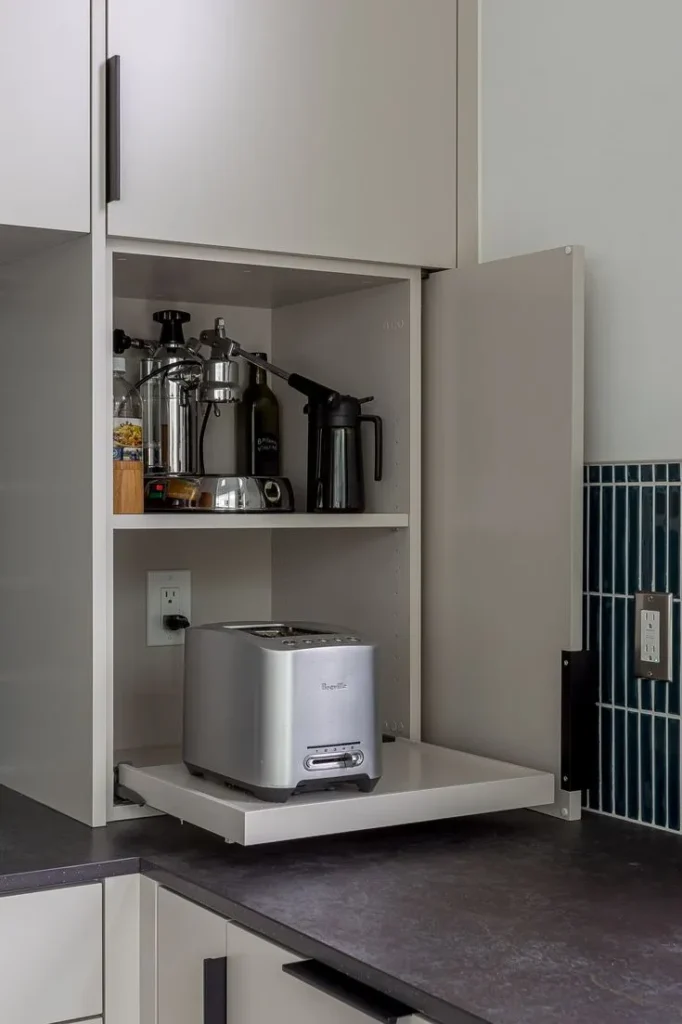
The trend toward kitchens that look like rooms rather than appliance showrooms continues to accelerate — and the cabinet design expression of this trend is the integrated appliance approach, where refrigerators, dishwashers, and sometimes ovens are fronted with cabinet panels that make them blend seamlessly into the cabinet run.
Appliance garages that tuck away toasters, blenders, and other countertop appliances are increasingly standard — even small kitchens can feel spacious when everything has its place.
The appliance garage — a cabinet section with a roll-up or lift-up door that conceals countertop appliances when not in use — is one of the most practically useful and aesthetically coherent innovations in kitchen storage design, and it is making a strong appearance in 2026 kitchen renovations. An appliance garage over the toaster and coffee maker means the counter is clear by default, and the appliances appear when needed.
7. Warm Metal Hardware — The Finishing Touch Direction
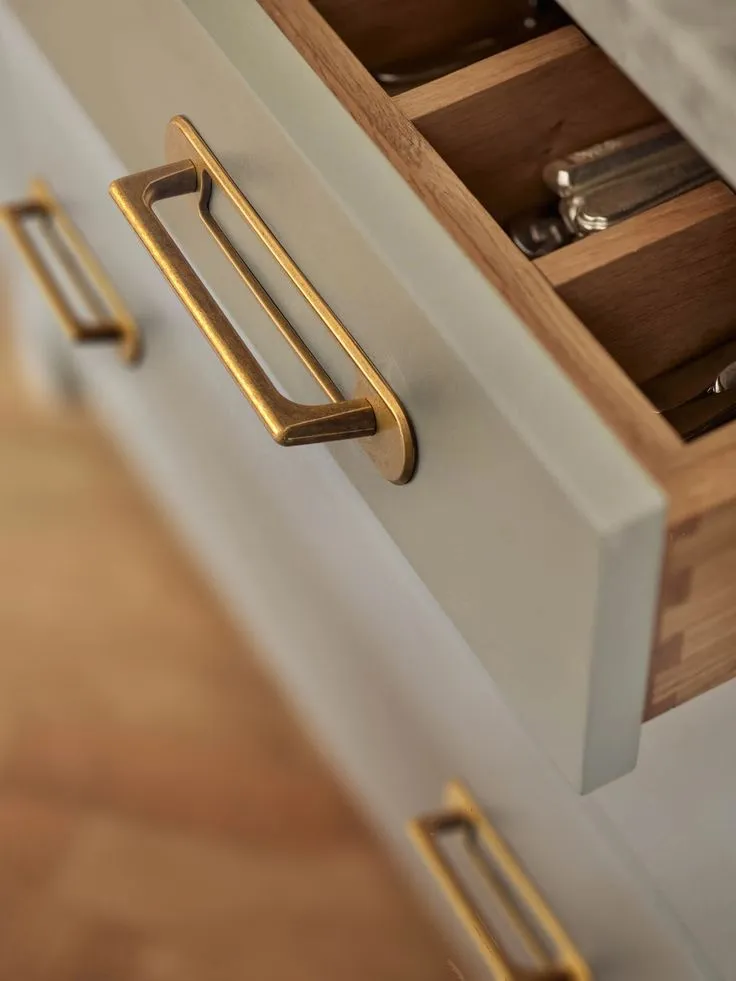
Brass pulls give cabinets a polished edge — the kind of warm metal tone that feels simultaneously classic and completely current.
The hardware trend continues in the direction covered in the hardware guide in this series: warm metals — brushed brass, unlacquered brass, champagne bronze, warm gold — are gaining strongly over the cool metals (chrome, brushed nickel) that dominated the previous decade. The warm hardware trend aligns directly with the warm neutral cabinet color trend — both are expressions of the same broader move toward warmth and authenticity in kitchen design.
8. Single-Tone Cabinetry — The Cohesive Statement
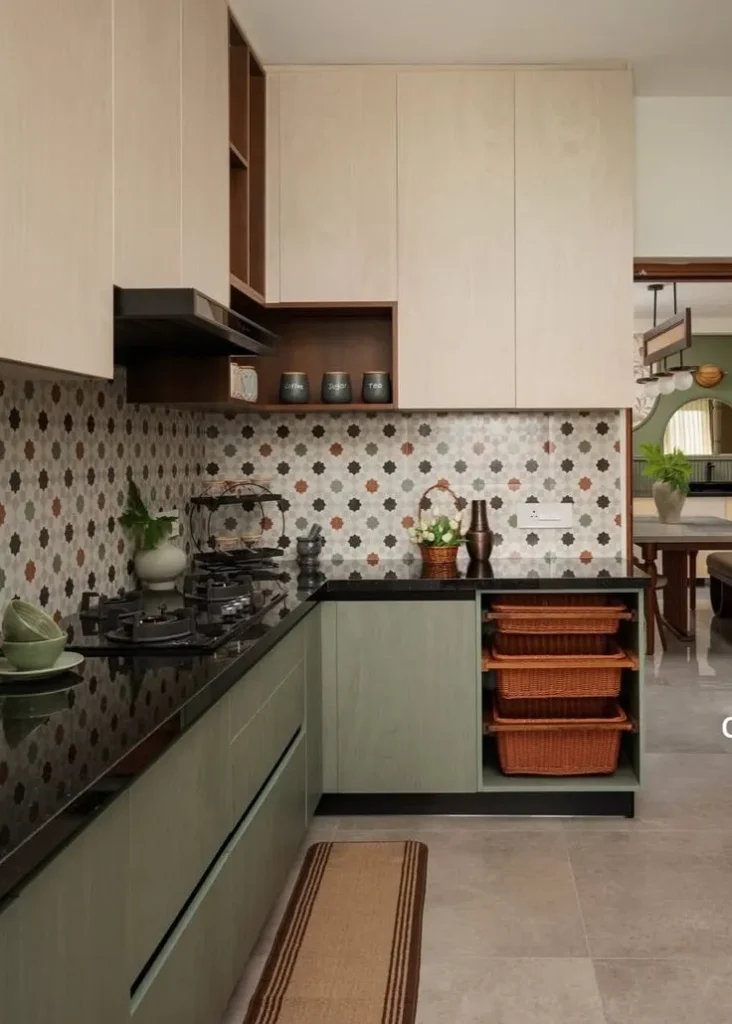
Instead of mixing light uppers with dark lowers, modern kitchen cabinet color trends are embracing a single color across all cabinetry for a more cohesive and elevated look. The uniform tone gives the room a tailored, designer feel that is easy to love and even easier to live with.
The two-tone kitchen — different colors on upper and lower cabinets — was a major trend throughout the 2020s and is beginning to feel slightly expected. What is moving in to replace it is the single-tone kitchen, where the same color runs across all cabinetry for a cohesive, intentional, designer look. Particularly when that single tone is a warm neutral or an earthy statement color, the result feels genuinely sophisticated.
WHAT IS OUT: Cabinet Design Trends Fading in 2026/27
1. Stark White Cabinets — The Default That Became Dated
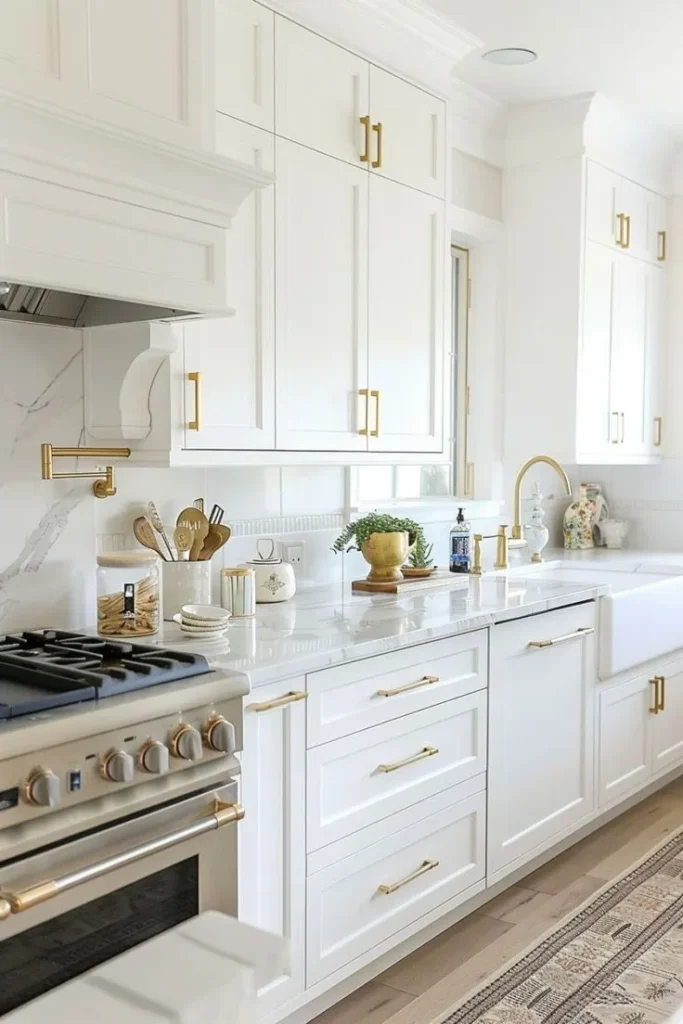
The consensus among design professionals is to stay away from stark white if you do not want your kitchen to look dated in 2026. Bright white cabinets do not accomplish the key themes of personal expression and warmth that every trend right now is moving toward.
This does not mean white is out. It means the specific, cold, blue-undertoned, very-bright white that has been the default kitchen cabinet color for a decade is losing its currency. The replacement is not colorful cabinets — it is warmer whites. Cream. Off-white. Warm white. The move is from the cool end of the white spectrum to the warm end, and it is a meaningful shift.
If you are Team Neutrals Forever, designers say there is a way to use white without the color feeling outdated — opt for a creamy white instead of a stark hue.
2. Cool Grey Cabinets — The Trend That Had Its Moment
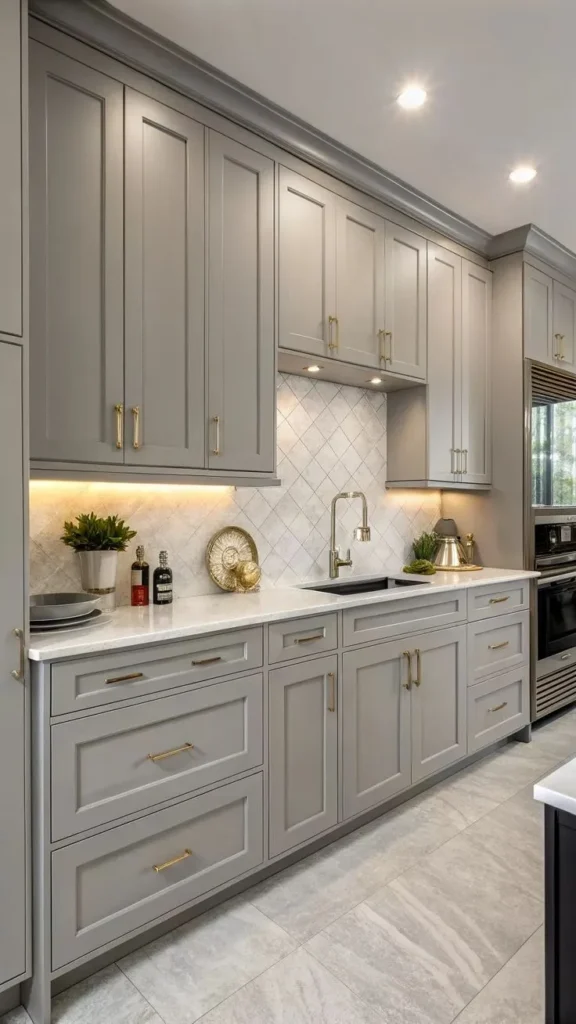
Cool grey kitchen cabinets — the grey that has blue or purple undertones, the grey that reads as unambiguously cool-toned — are fading. They had a long and deserved moment, but homeowners are leaving behind stark whites and cold grays for palettes that feel rich, natural, and full of personality.
The replacement for cool grey is not no grey — it is warm grey (which shades into greige and mushroom), or moving more decisively into a color direction. If your kitchen currently has cool grey cabinets, they do not need to come out — but if you are making a fresh choice, warmer alternatives will feel more current.
3. Dark Espresso and Very Dark Brown Cabinets — The Era That Has Passed
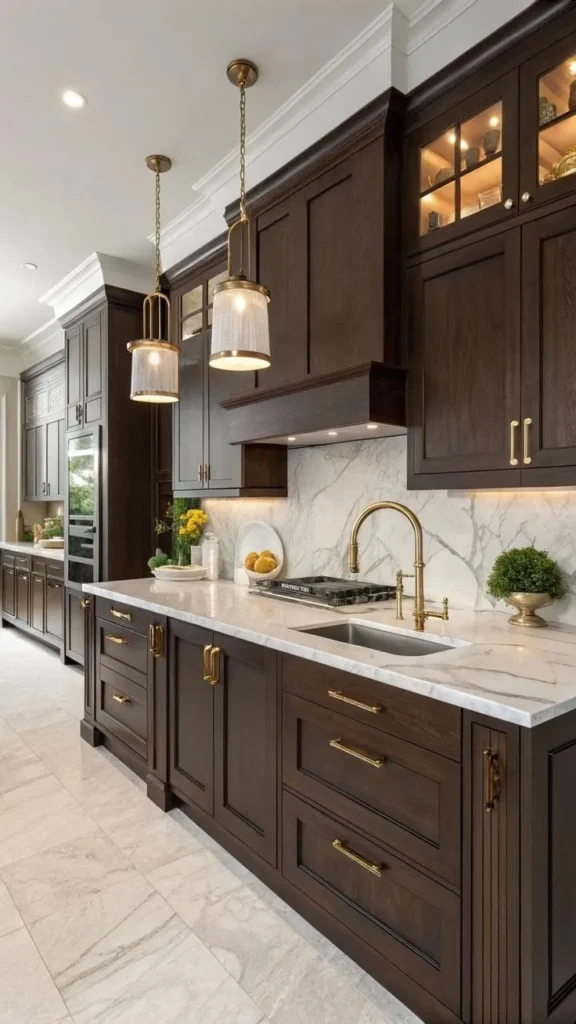
Dark espresso cabinets, once a go-to choice for adding a luxurious touch to a kitchen space, are now losing their appeal. Deep brown-to-black cabinetry can work against a clean, modern aesthetic, potentially overwhelming a room and making it appear smaller, darker, or even cave-like.
Today's design trends favor lighter woods, soft neutrals, and painted finishes that reflect light and create a warm, welcoming atmosphere. These lighter looks pair more effortlessly with a variety of countertop materials, backsplashes, and flooring choices.
Dark espresso is distinctly of the 2000s and early 2010s kitchen aesthetic. If your kitchen has dark espresso cabinets and you are not ready to repaint, lighter hardware, lighter countertops, and better lighting can update the space significantly short of a full repaint.
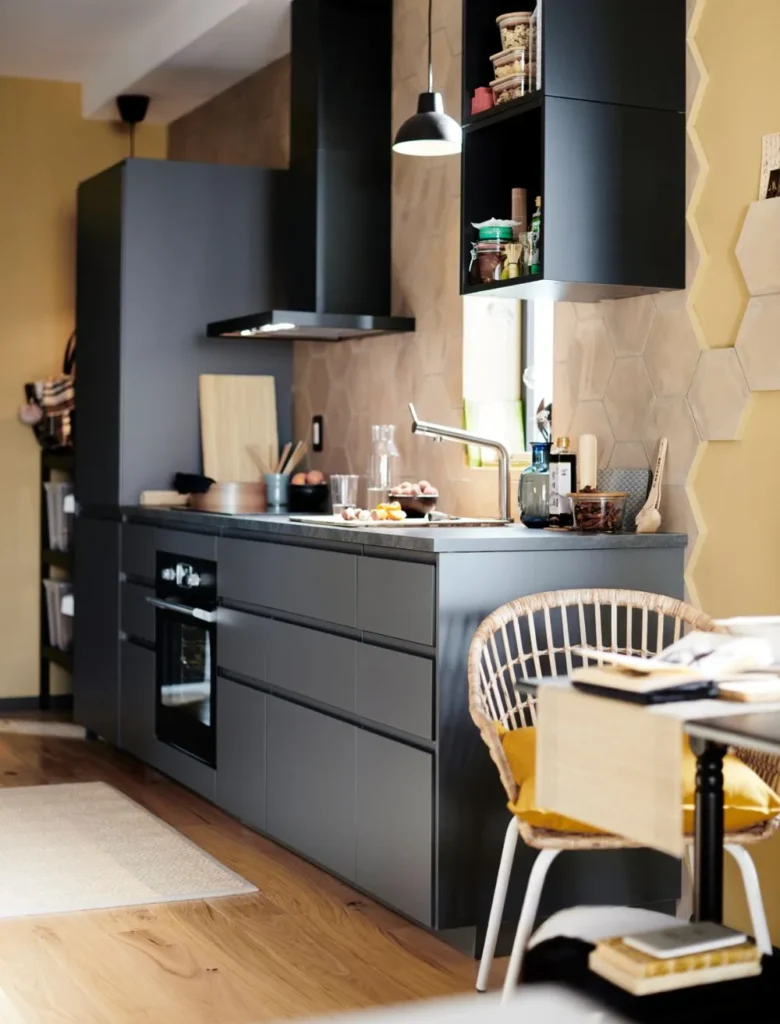
4. All-Black Cabinets — The Bold That Peaked Too Fast
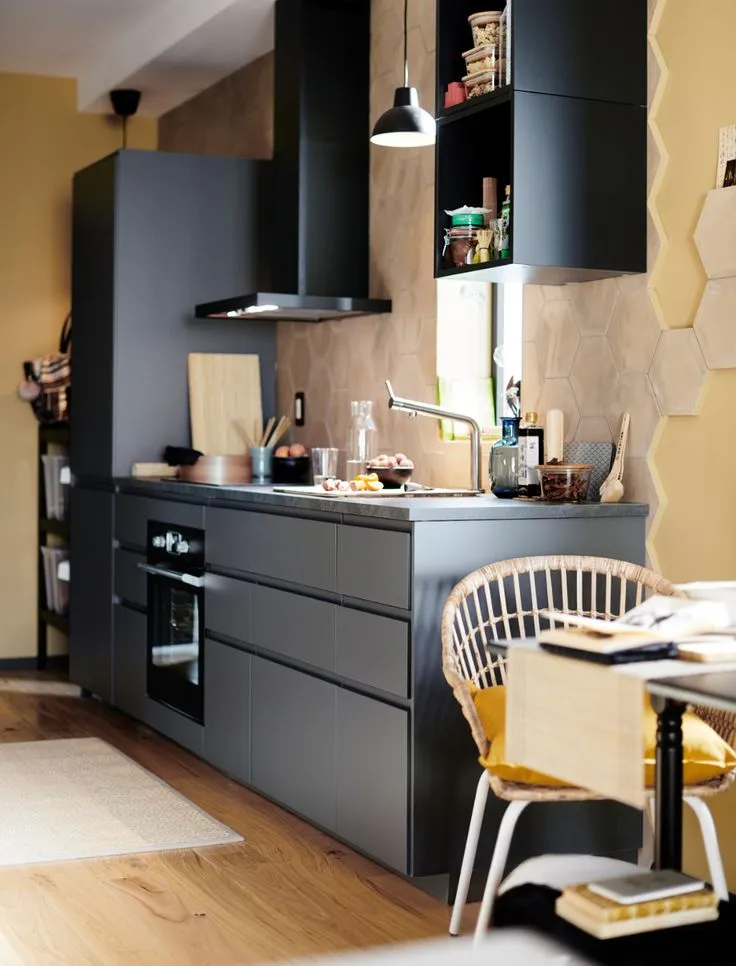
All-black cabinets are among the cabinet colors design professionals say to avoid in 2026 — if you use black, designers say to layer it with interesting materials rather than using it as the single dominant cabinet tone.
Black kitchen cabinets were a bold, beautiful statement when they emerged and they had a genuine moment. But the all-black kitchen, particularly in smaller spaces, has peaked and is beginning to feel like a trend that was pushed too far too fast. The replacement is not avoiding drama — it is finding drama in color and material that has more staying power.
5. Matching Metals Throughout — The Matchy Approach
The era of matching every metal in the kitchen — same finish on every faucet, every handle, every light fixture, every appliance handle — is over. As covered in the hardware guide, the 2026 direction is toward intentional mixing of two complementary metals. The all-matching approach now reads as slightly overthought and slightly outdated compared to the more relaxed, collected quality that mixed metals create.
6. Overly Styled Open Shelving — The Aspirational That Became Exhausting
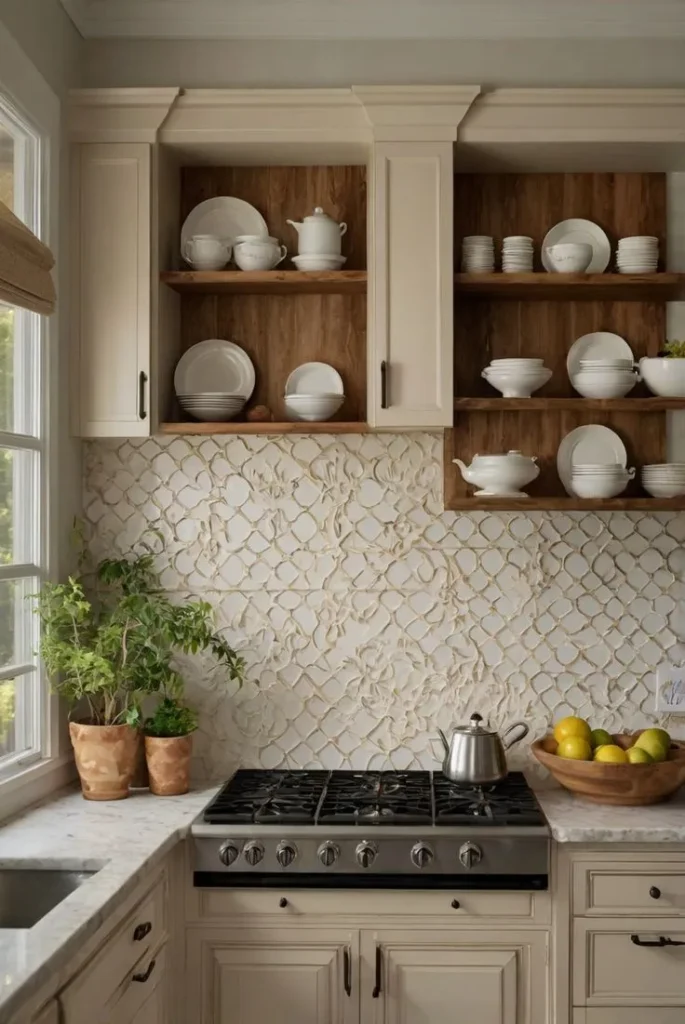
The open shelving moment — where every kitchen needed at least one wall of perfectly styled floating shelves with perfectly arranged books and plants and ceramics — has peaked. Open shelving is not out. Aspirational, magazine-shoot, completely un-livable open shelving is out.
What is replacing it is a more honest and functional relationship with open storage: some open shelving where it genuinely works, more closed storage elsewhere, and an overall aesthetic that looks like real people live there rather than a photoshoot crew coming through daily to maintain it.
How to Use This Trend Report
I want to close this guide with the most useful practical guidance Yasmin has given me about design trends: use them as a lens, not a prescription.
Knowing that warm naturals are in and cool stark whites are out does not mean you should repaint your perfectly good cool white cabinets if they are in good condition and you love them. It means if you are making a fresh choice, warm white is the better investment for longevity. Knowing that natural wood is having a significant moment does not mean every kitchen needs a wood cabinet section — it means if wood has always appealed to you, this is an excellent moment to act on that instinct.
Trends point in a direction. You decide how far in that direction your specific kitchen, your specific taste, and your specific budget should go. The people who are most satisfied with their kitchen renovations are rarely those who followed a trend most faithfully — they are the people who used trends to inform a decision that was ultimately about what they genuinely wanted, what served their household, and what would make their kitchen feel like theirs.
Your kitchen, informed by the direction design is moving, but shaped by who you actually are. That is the approach that produces a kitchen you will still love in 2030.
Now go pin this complete trend report, share it with everyone who is planning a kitchen update and wants to know what is current, and go look at your cabinets with fresh, trend-informed eyes.
Pin this and save it — this is the cabinet design trend report for 2026 and 2027 that will help you make kitchen decisions that feel genuinely current and genuinely timeless at the same time!

Leave a Reply