
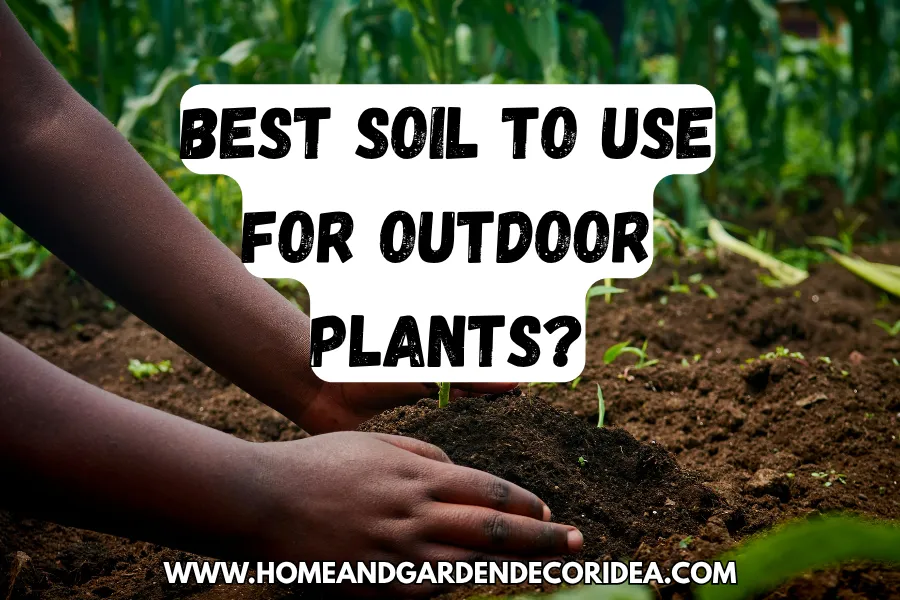
How do you prep your garden soil for planting.
The ideal garden is deep, well-drained, and has high organic content. If the proper soil preparation is done, give your seeds and transplanted plants the proper grounds for growth. Remove existing perennials’ broadleaf weeds and grasses.
Examples of broadleaf weeds include dandelions, thistles, plantain, and clover. Leaving existing weeds and grasses only invites weed problems in the new garden.
How to test the nutrients of your soil.
The best soil has the proper nutrients for plants and flowers to grow. Knowing the soil nutrient levels can be used to carefully add the correct soil amendments, such as compost or peat, to improve garden soil and provide the best plant starting point.
The soil test can be done visually through plant color and growth rate. Understanding the primary and secondary nutrient levels of plants will assist you in identifying what your soil needs to include. Knowing your plant’s nutrients can be challenging, using just your eyesight to identify the nutrient deficiency. The blog post on identifying the missing nutrients in your plants will assist you in adding the correct nutrient to your soils.
Other than using your eyesight to identify the soil deficiency, you can have the soil tested by commercial testing centers or by building your test kit. The Commercial test centers provide you with the pH levels in your soils. The pH test will determine if your soil is alkaline or acidic.
How do you plant seeds directly outside?
The majority of seeds can be sown directly in the garden. Seedlings can emerge easily in sandy or organic soils. If the garden soil has heavy silt and clay content, the seeds need to be covered only 2-3 times their diameter.
Applying a band of sand, fine compost, or vermiculite four inches wide and one-quarter inch thick over the row may be helpful after planting seeds. This will help retain soil moisture to reduce crusting, making it easier for seedlings to push through the soil surface.

Soil temperature does affect the growth of the seeds. Some, such as onions, lettuce, and spinach, benefit from cool temperatures: others, such as sweet corn and cucumber, will rot before they have a chance to sprout if planted too early.
Difference between annual and perennial plants.
A ton of gardeners start their garden indoors and eventually transplant the plants outdoors. The reason is to provide the right conditions for growth. In the northern states, where the temperature starts warming in the spring months, the plants and flowers are given a chance to harden and develop before being relocated to the outside garden.
The annual and perennial plants and flowers have several tips and steps to encourage growth and development outside.
Annuals: Transplants of annual vegetables and flowers should be stocky, healthy, free from disease, and have good root development. They should not be too small or too mature.
Tomatoes will transplant all right with fruits already on them, but many other plants will drop flowers or fruit already on them, but many other plants will drop flowers after transplanting.
Be sure that the plants and flowers are hardened to adapt to change in scenery. Successful transplanting is achieved by interrupting plant growth as little as possible. This is one of the advantages of peat pots that do not have to be removed when transplanting.

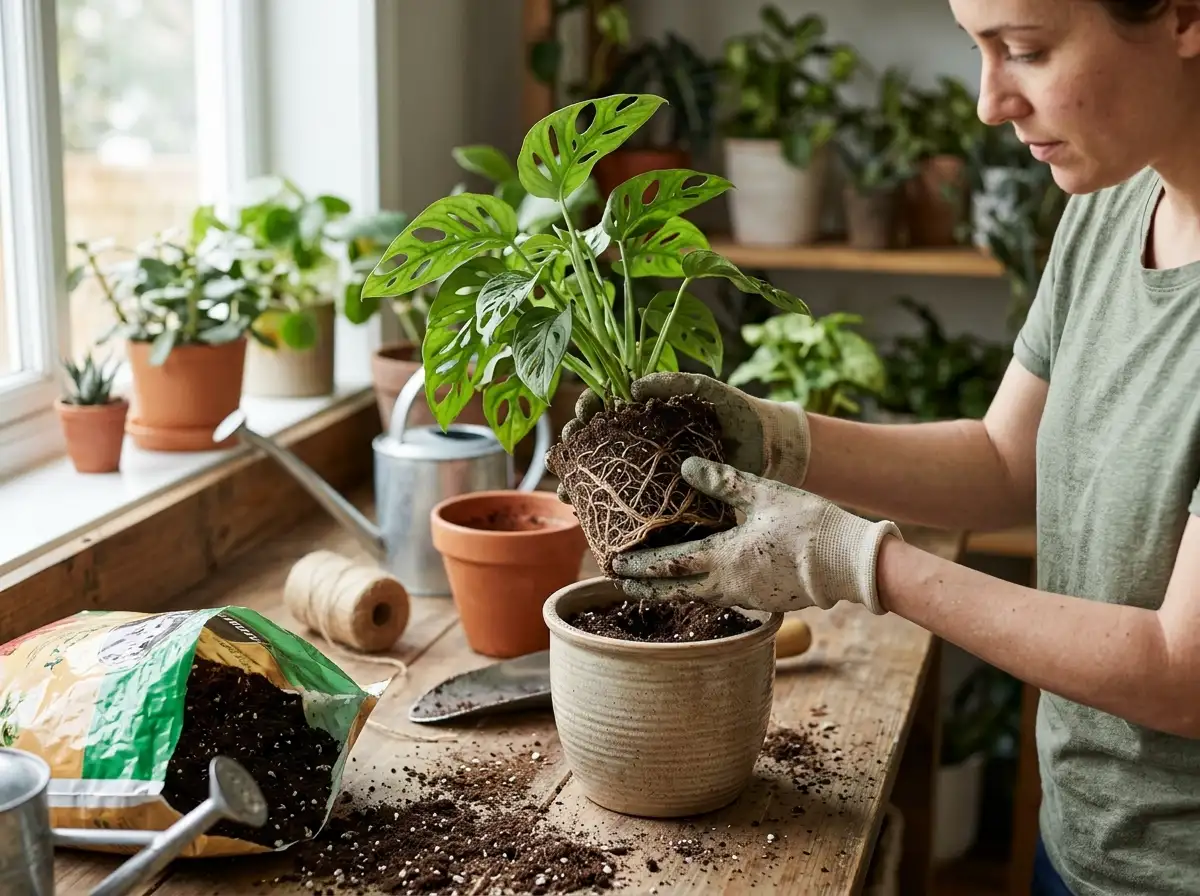
Transplant on a shady day, in the late afternoon or early evening, to prevent wilting. It helps to water the plants several hours before transplanting. Dig a hole large enough to hold the roots of the plants.
Set the plants slightly deeper than previously planted and at recommended intervals
Press firmly around the roots of transplants. Use cutworm collars made from juice cans opened at both ends, strips of paper, or even aluminum foil on transplants susceptible to cutworm damage.
For a few days after transplanting, protect the plants from wind and sun by placing newspaper or cardboard on their south sides or covering them with baskets or flower pots. Water the plants once or twice during the next week if there is insufficient rain.
Perennials: Select varieties that will do well in your growing condition outdoors. For perennials plants, it will pay to do some research to find out what the major disease and insect pests are and buy resistant varieties.
Dormant bare-root plants and one- or two-year crowns are preferred, Look for roots that are full, slightly moist, and have color. Roots of dry brown or soggy black indicate poor storage and will probably not give good results.
Check crowns for signs of viable buds. Inspect plants for signs of insects or disease. If you receive plants by mail that need to be more satisfactory, feel free to write to the dealer.
Once you have the plants, keep the roots moist( but not soaking wet) by misting occasionally, and do not allow them to freeze or be exposed to high temperatures. Pack the soil firmly against roots to eliminate any air pockets.
Transplant crowns according to directions, digging holes large enough to give the roots plenty of room to spread. Remove any roots which are discolored or dried out. Once transplanted, shade the plants if necessary and water them when needed.
How often should you water your outdoor garden?
Outdoor plants need about an inch of water per week in the form of rain for optimum growth. April through September should expect this amount of rainfall in the northern states.
Adding irrigation systems like sprinklers can provide the amount of water needed by plants and flowers. During dry periods, one thorough watering of 1 -2 inches of moisture each week is usually enough for most soils.
Soil should be wetted to a depth of 5-6 inches each time you water and not watered again until the top few inches begin to dry out. Average garden soil will store about 2-4 inches of water per foot of depth.

Leave a Reply