
Author: Ginny Orenge

-
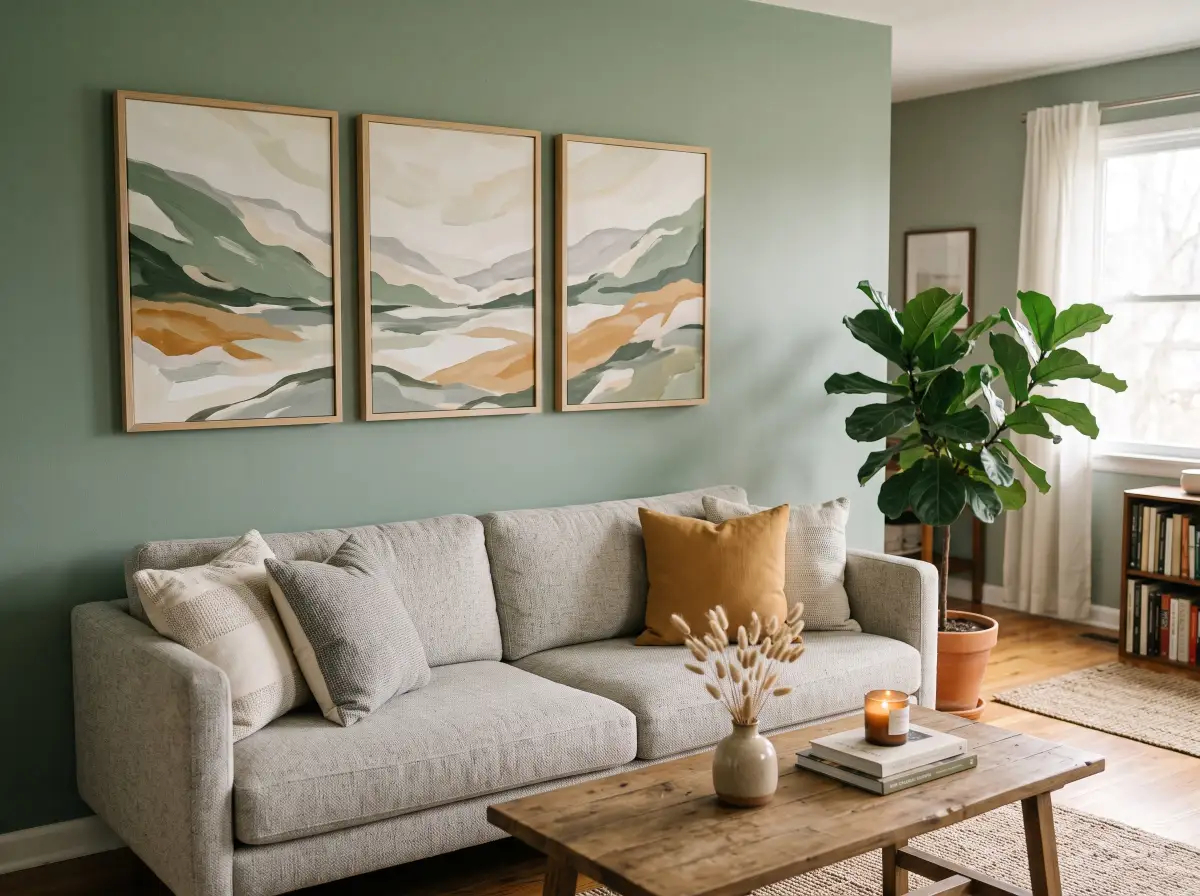
How to Choose Wall Art That Actually Matches Your Room (Without Wasting Money on Pieces You’ll Regret!)
If you’ve ever bought wall art you absolutely loved in the store, only to hang it up and realize it looks completely wrong in your room, girl, this guide is for you. There was a time when I thought choosing wall art was easy. If I liked it, I bought it. End of story. Well……
-
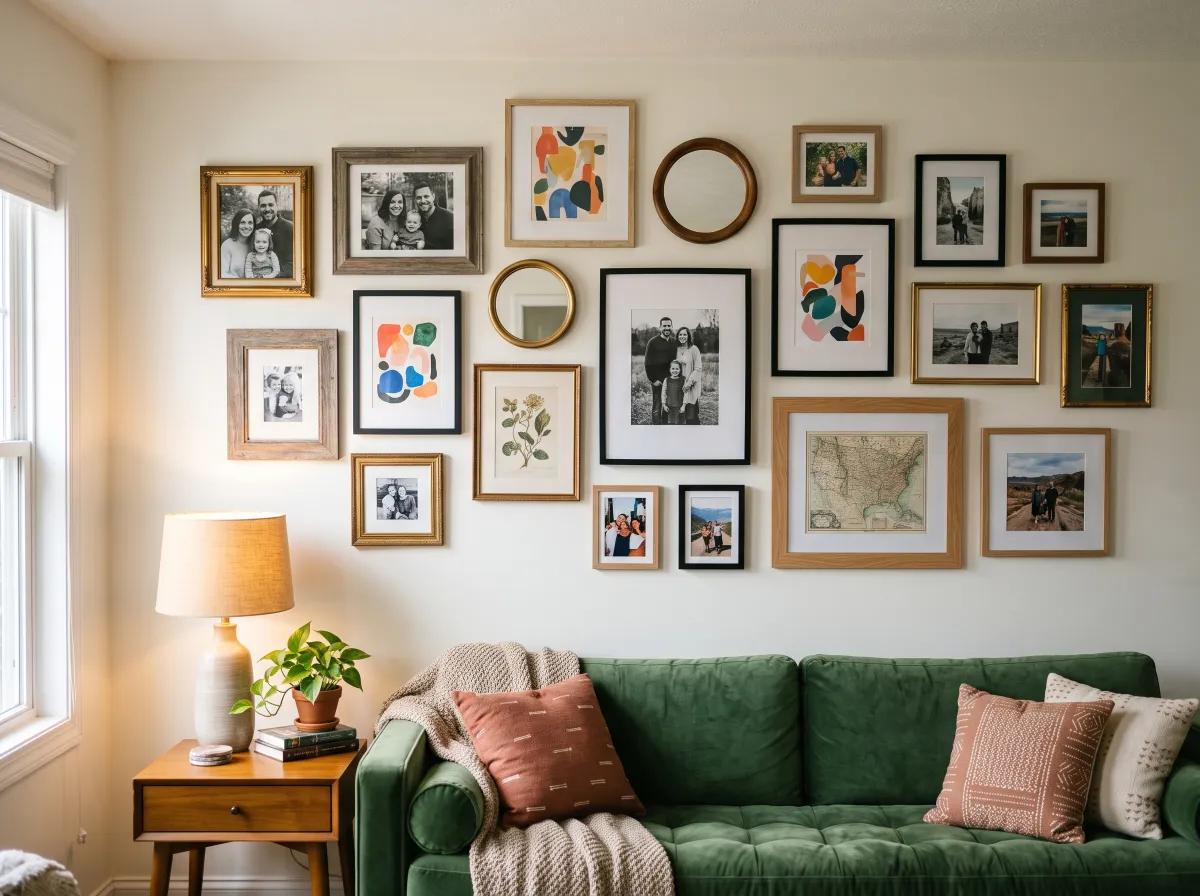
Gallery Wall for Beginners: Everything You Need to Know Before Starting
Want a gallery wall that looks Pinterest-perfect instead of chaotic and random? Girl, this guide will save you time, money, and a whole lot of unnecessary nail holes. If you’ve ever spent an hour scrolling Pinterest, saving gorgeous gallery wall inspiration, and thinking, “I could totally do that,” only to stare at your blank wall…
-
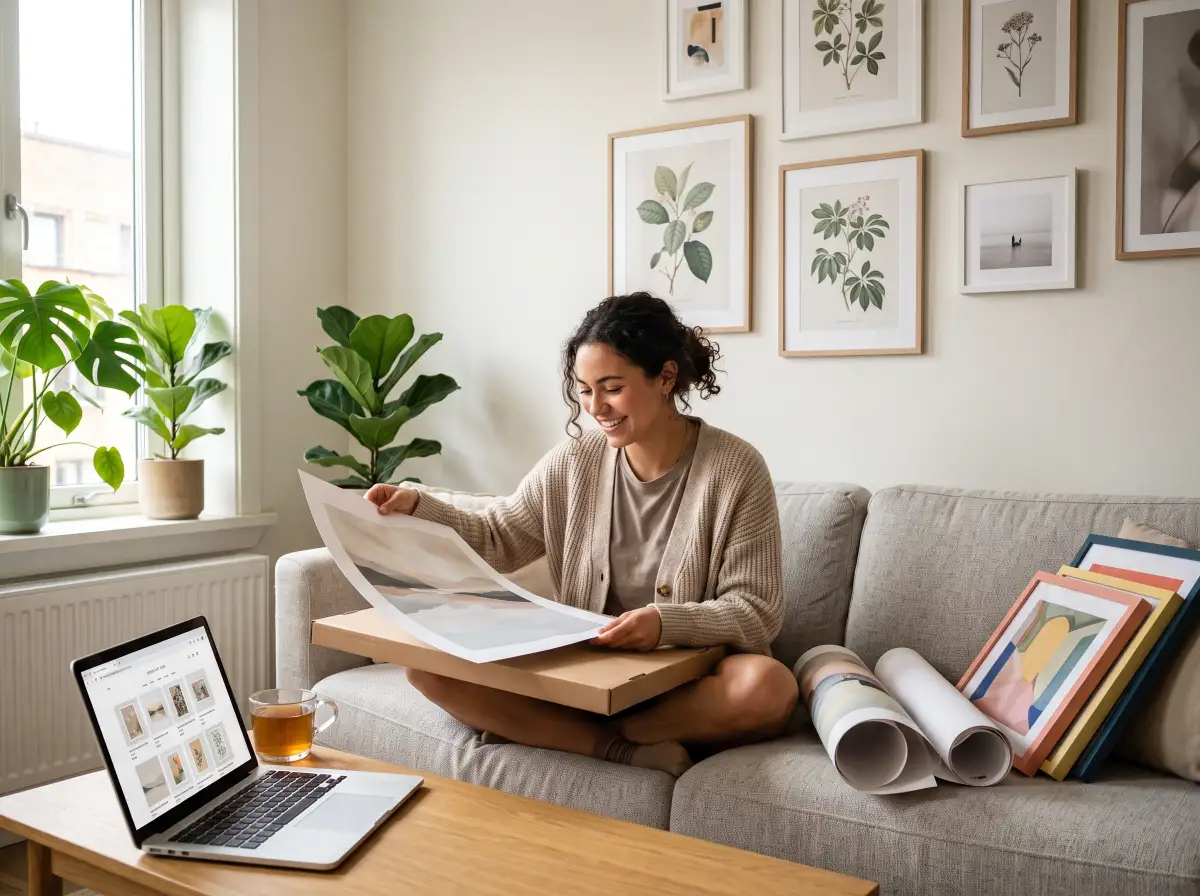
Where to Find Affordable Wall Art Prints That Look Expensive (Without Blowing Your Budget)
Want your home to look like it belongs in a Pinterest board without spending a fortune? These are my favorite places to find affordable wall art prints online that look way more expensive than they actually are. I’ll be honest, girl—I used to think beautiful wall art was one of those things you had to…
-
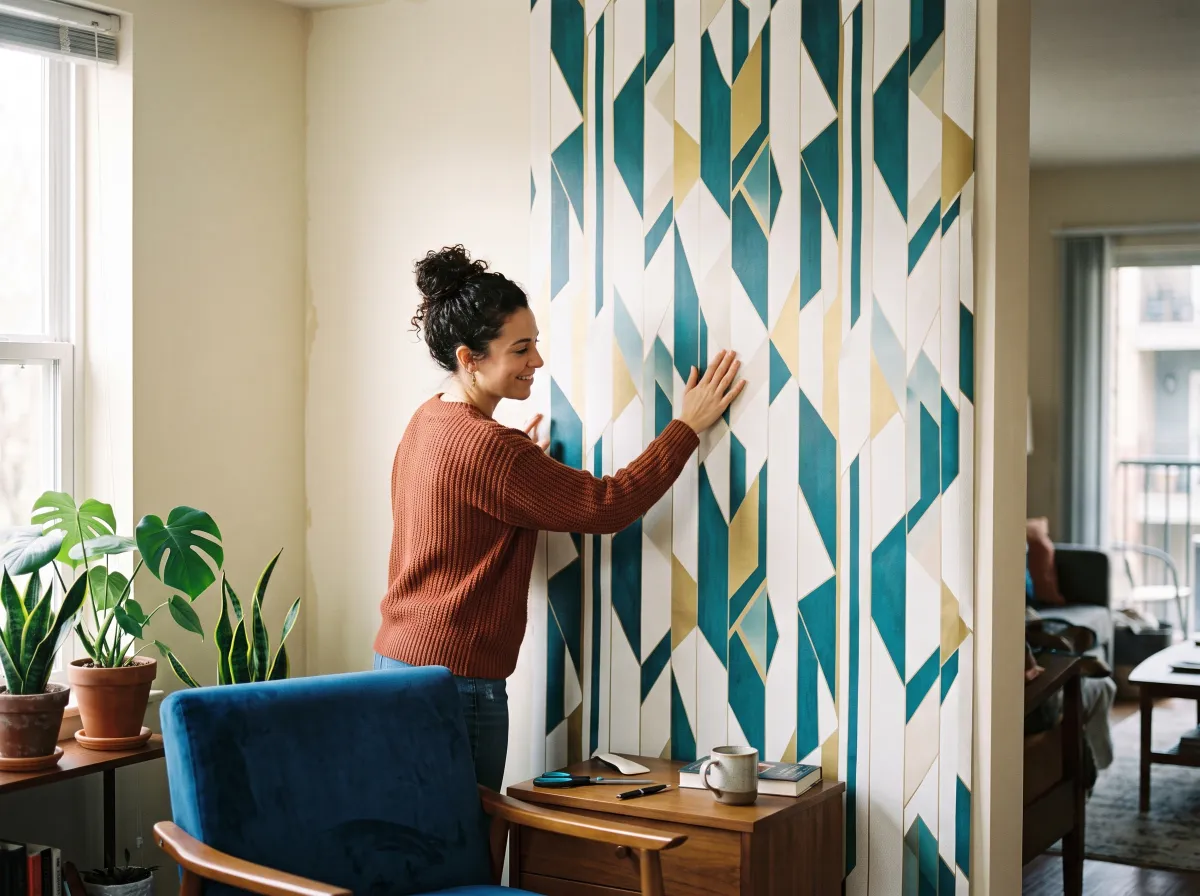
Best Removable Wallpaper for Renters Who Want to Decorate: Transform Your Space Without Losing Your Deposit
Want a Pinterest-worthy apartment without risking your security deposit? The best removable wallpaper for renters can completely transform boring walls in a single afternoon—and yes, it comes off without the landlord drama. If you’re anything like me, you’ve probably stared at plain beige apartment walls and thought, “There has to be a better way.” Girl,…
-
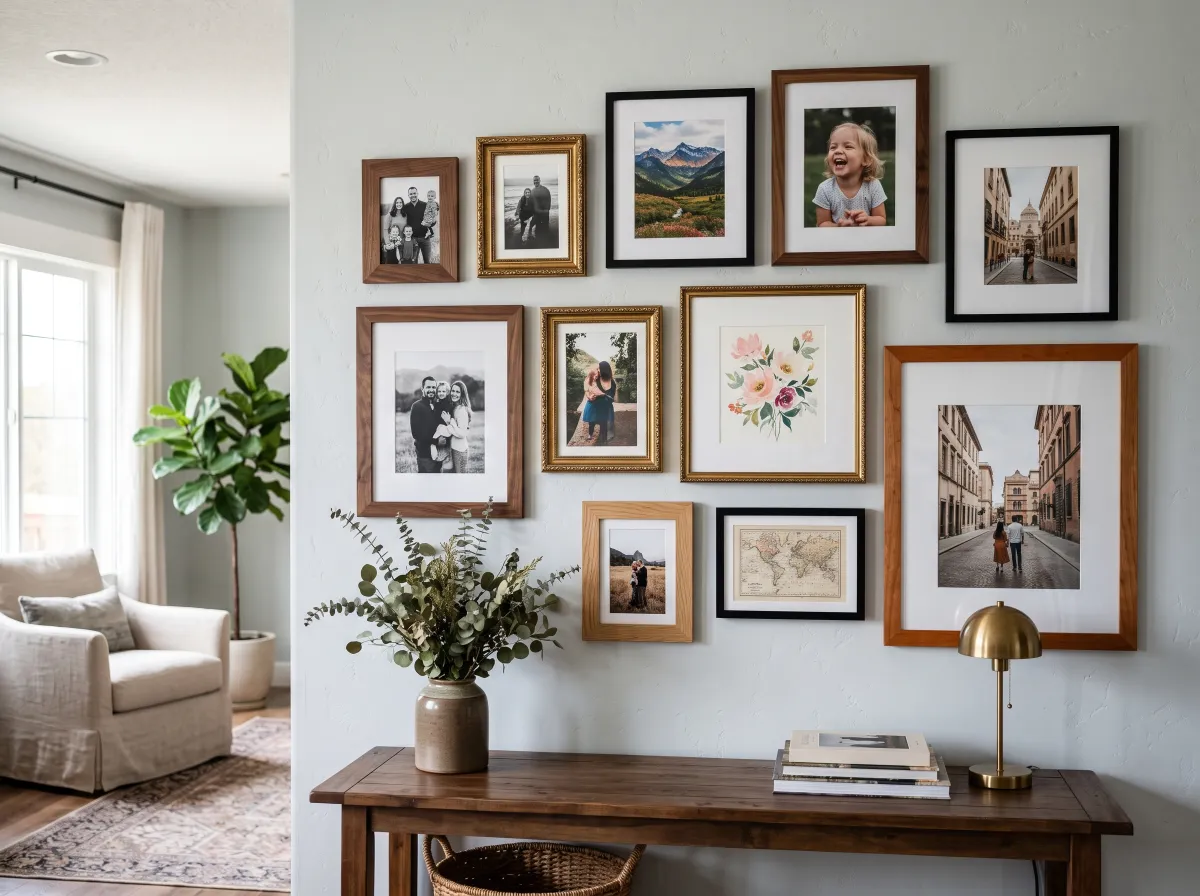
The Best Picture Frames for Gallery Walls (Ranked by Style and Budget): My Favorite Picks for a Stunning Home
Want a gallery wall that looks expensive, polished, and Pinterest-worthy without blowing your entire decorating budget? These are the best picture frames for gallery walls ranked by style, quality, and price. I have a confession, girl. I used to think creating a gorgeous gallery wall was all about the artwork. Then I spent an entire…
-
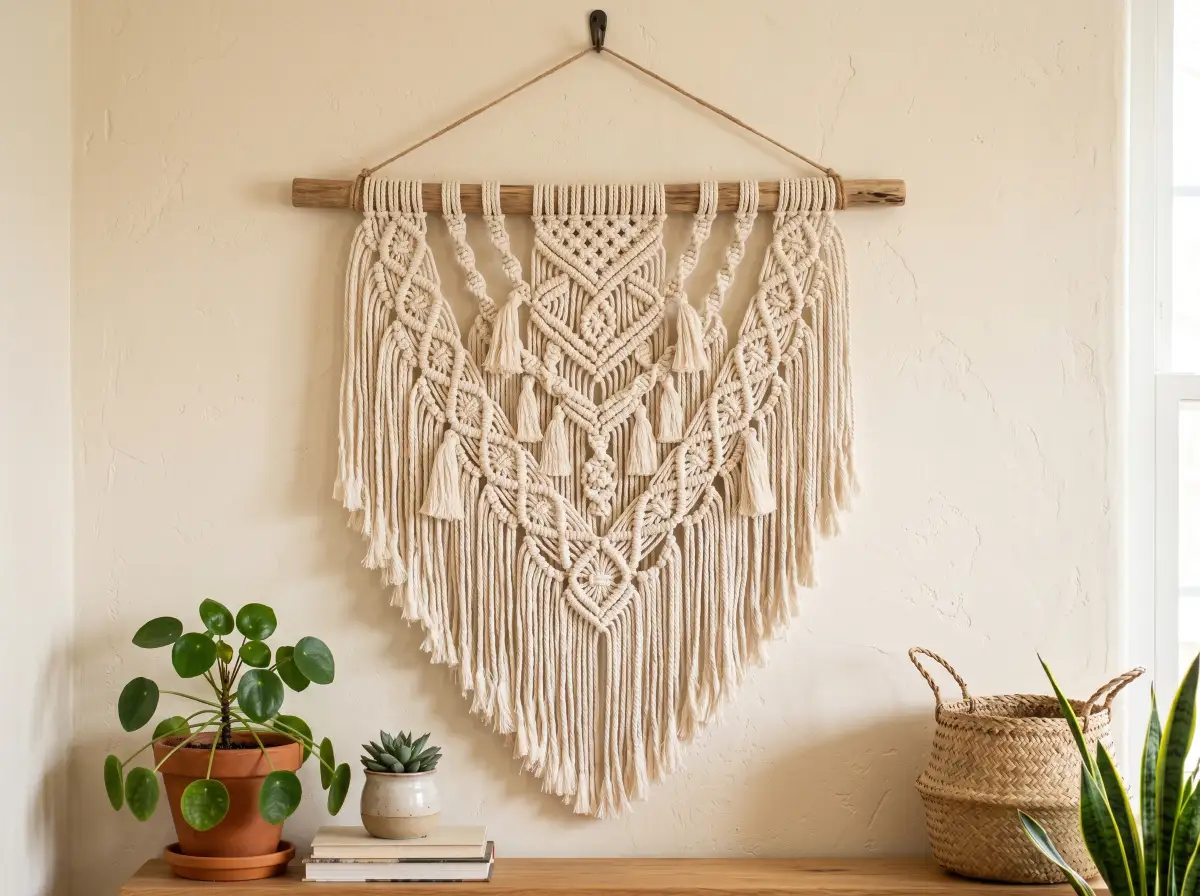
DIY Macrame Wall Hanging for Beginners: The Surprisingly Easy Decor Trend I’m Completely Obsessed With
Want to create gorgeous boho wall decor without spending a fortune? This DIY macrame wall hanging for beginners is the perfect project to transform your space with just a few simple knots. I have to admit something, girl. For the longest time, I thought macrame was one of those crafts that only super creative Pinterest…
-
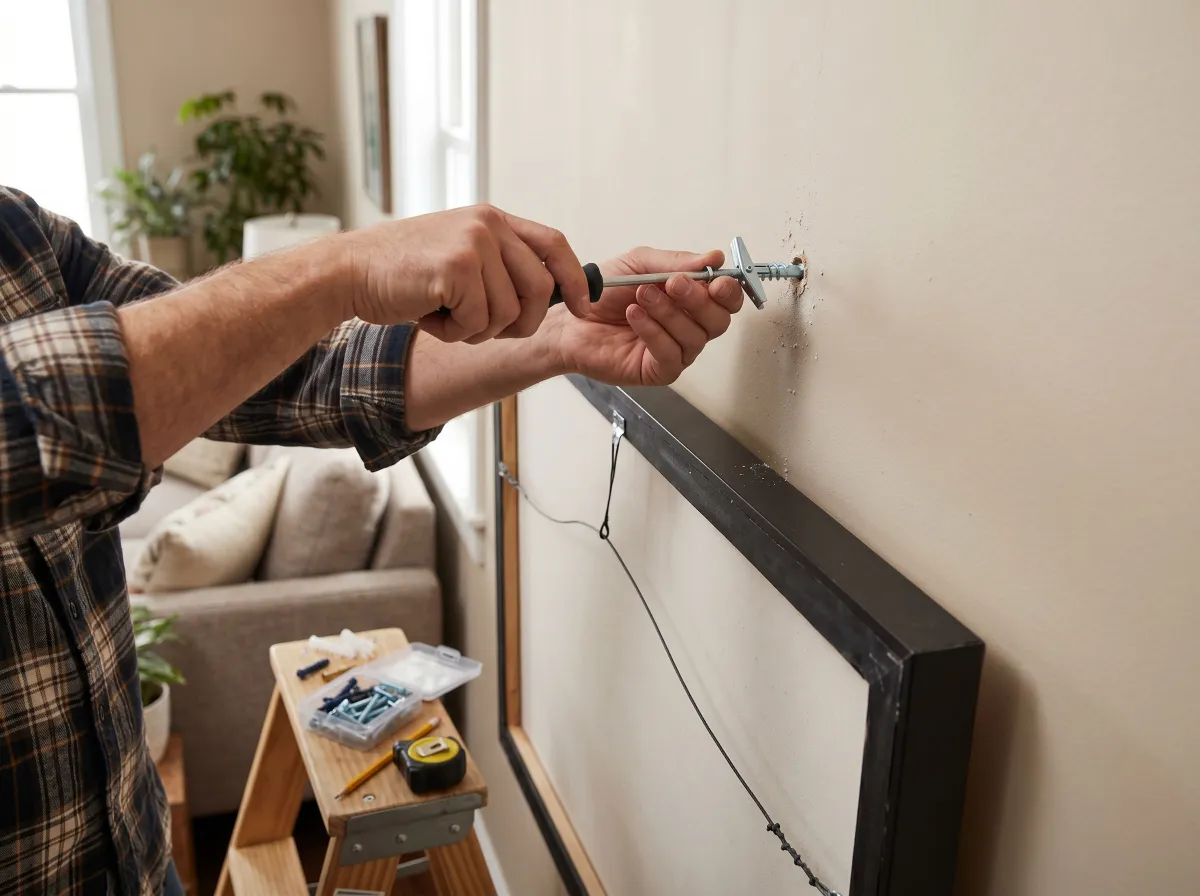
How to Hang Heavy Wall Art Without Studs: The Stress-Free Guide Every Girl Needs
Want to hang heavy wall art without turning your wall into Swiss cheese? Girl, I’ve got you covered. I used to think hanging heavy wall art required some magical home-improvement talent that I definitely did not have. Every time I bought a gorgeous oversized mirror, a huge canvas, or one of those trendy vintage-inspired frames…
-
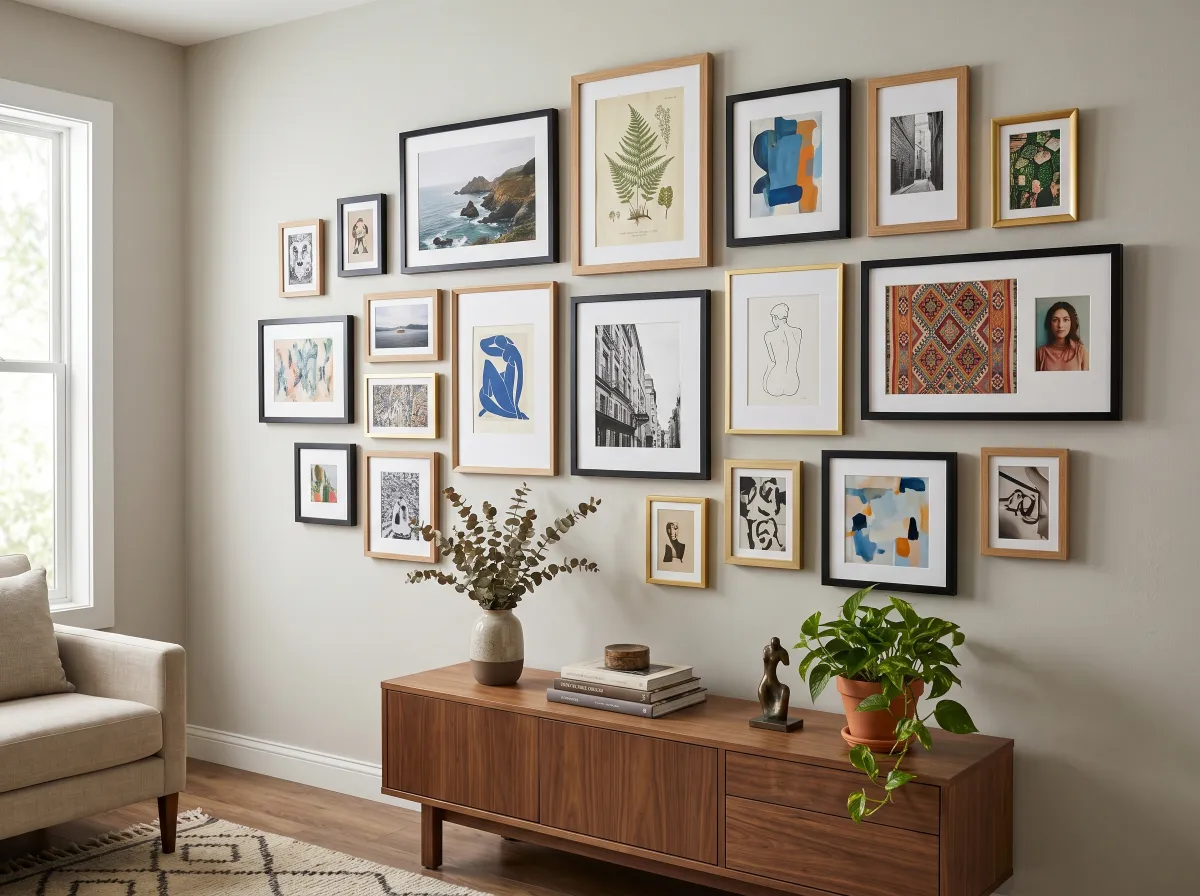
How to Plan a Gallery Wall Layout Before Putting a Single Nail In (And Avoid Costly Decorating Mistakes!)
If you’ve ever stared at a blank wall with a pile of frames and absolutely no clue where to start, girl, this guide will show you exactly how to plan a gallery wall layout before putting a single nail in. If you’ve ever bought a bunch of gorgeous frames, leaned them against the wall, and…
-
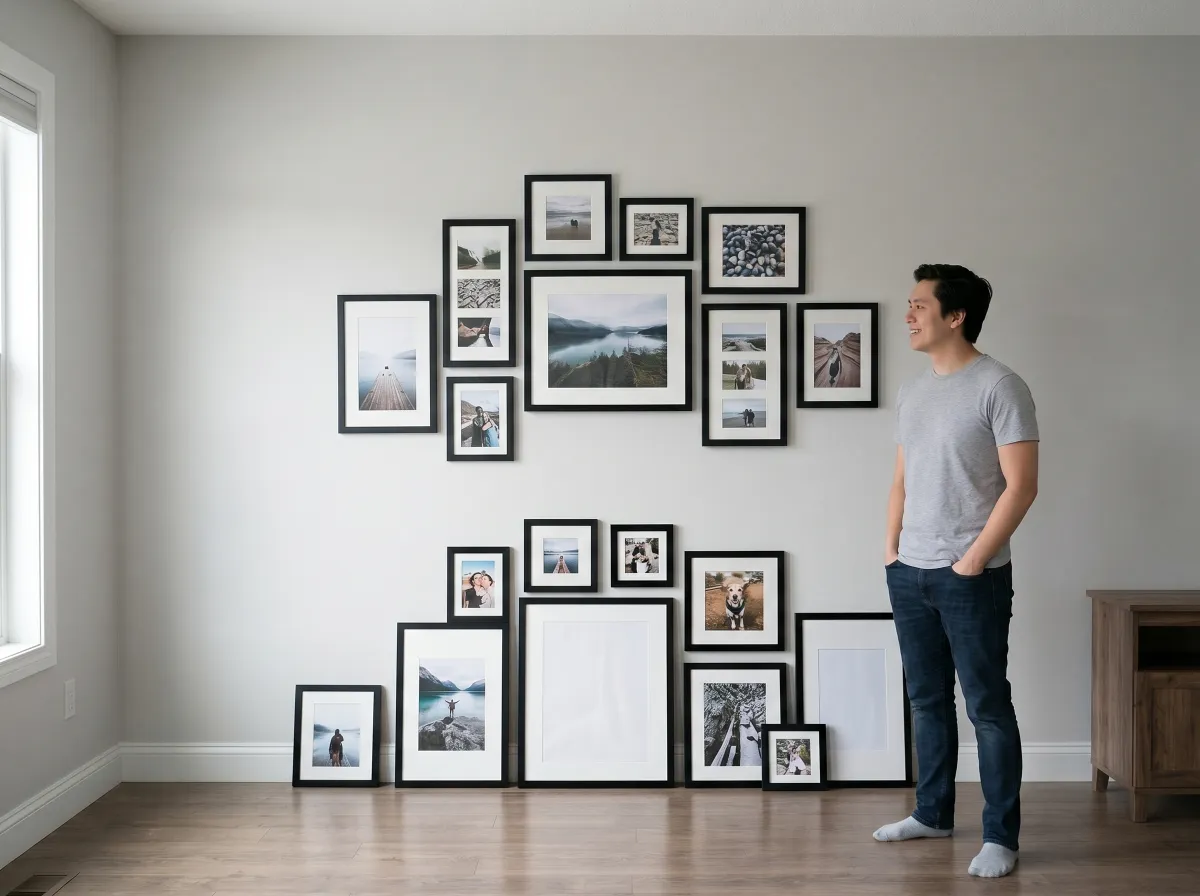
How to Hang a Gallery Wall Step by Step (Without Ruining Your Walls): The Foolproof Method I Wish I Knew Sooner
If you’ve ever stared at a blank wall, held a hammer in one hand, a picture frame in the other, and thought, “I am absolutely going to mess this up,” girl, this guide is for you. I still remember the first time I tried hanging a gallery wall in my apartment. I was feeling super…
-
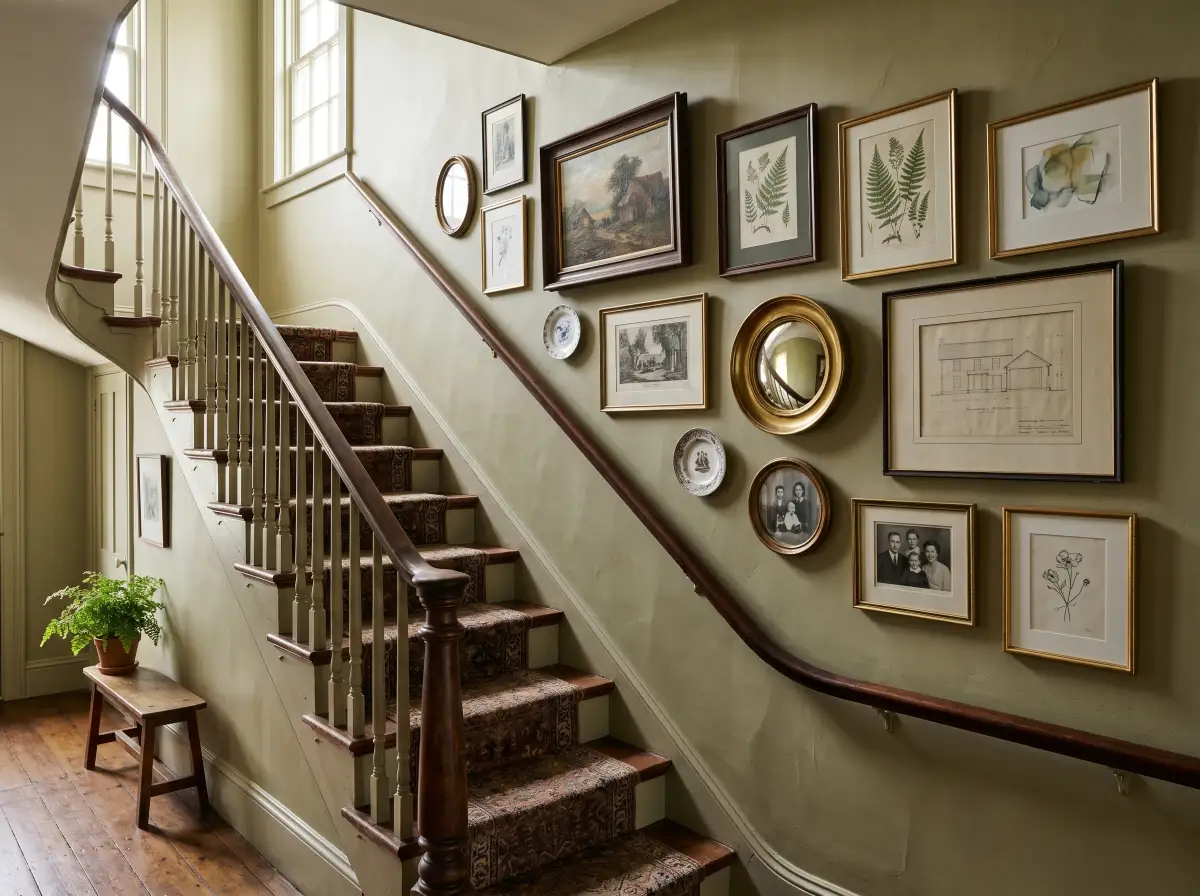
8 Staircase Wall Ideas That Make the Climb Worth It: Transform Your Stairs Into a Show-Stopping Feature
Your staircase isn’t just a way to get upstairs—it can become one of the most beautiful, Instagram-worthy spaces in your entire home. I used to completely ignore my staircase wall. Seriously, it was just this blank space that I walked past multiple times a day without giving it a second thought. Then one weekend, after…