
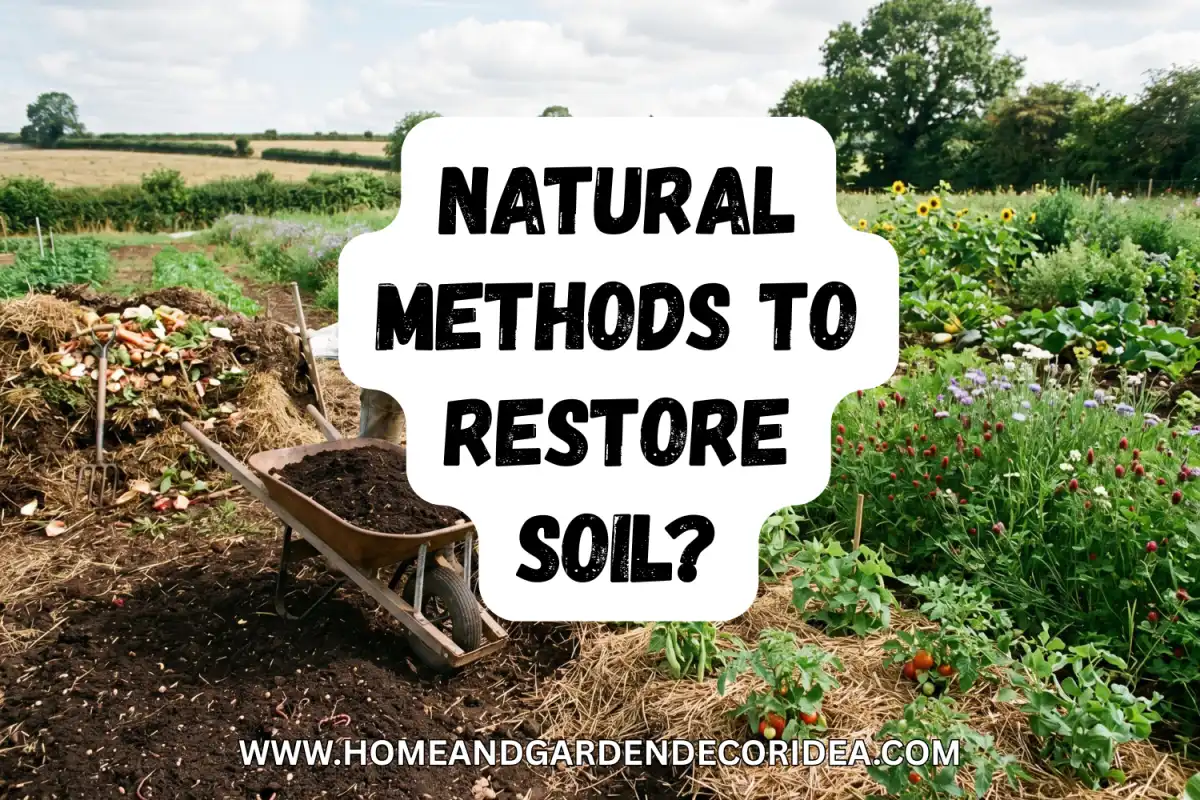
Farmers, gardeners, and environmentalists share growing concerns about soil degradation. It may result in decreased soil fertility and productivity, making it more difficult to cultivate crops and maintain a healthy environment.
The fertility, structure, and general health of the soil can all be improved using a variety of natural approaches for restoration. The methods for restoring soil, how to test your soil for deterioration, what causes soil degradation, and some do-it-yourself advice for repairing your home garden soil are all covered in this article.
What causes soil degradation
Several factors can lead to soil degradation, including:
- Excessive use of synthetic fertilizers and pesticides can lower soil fertility and harm the structure of the soil.
- Erosion: Erosion can take valuable topsoil, decreasing the fertility and production of the land.
- Deforestation can worsen soil erosion and deplete organic matter.
- Compacted soil: Compacted soil might have less air and water, which makes it more difficult for roots to sift through the soil and absorb nutrients.
- Climate change: Changing rainfall patterns and rising temperatures brought on by climate change might result in soil deterioration..
How to restore soil naturally
Its fertility and structure must be improved if the soil is to be restored organically. This may be accomplished by adding organic matter to the soil, such as compost and well-rotted manure, and employing cover crops, mulching, and crop rotation techniques.
These techniques will aid in improving water retention, improving soil degradation, and boosting soil fertility.
Reducing or eliminating synthetic fertilizers and pesticides, which can have a detrimental effect on soil health, is another crucial step in restoring the soil. Instead, use organic pest management strategies like companion planting and using natural predators.
The methods of soil restoration
There are several methods for restoring soil, including:
Organic matter incorporation: Compost or well-rotted manure can aid the soil’s structure and fertility. Adding organic matter will improve soil structure and reduce compaction. For the best results, organic matter (e.g., compost, grass clippings, leaves, manures, sawdust, and straw) should be thoroughly mixed throughout the root zone.
Adequate moisture, warm temperature, and ample nutrients enhance the conversion of these materials to humus and plant-available nutrients by soil microorganisms.
To the top 6 to 8 inches of soil, add 2-3 inches of organic materials. Compost is one of the best sources of organic matter that a gardener can add.

Cover crops like rye, alfalfa, and clover can help enhance soil health by contributing to organic matter, lowering erosion, and enhancing water retention.
Mulching: Mulching helps prevent weed growth, control soil temperature, and save moisture. It can also help prevent erosion. Mulching refers to the practice of applying a layer of material to the soil surface.
Benefits of applying mulch:
a. Suppress weeds.
b. Conserve soil moisture
c. Reduce soil erosion.
d. Reduce loss of water
e. Reduce fluctuations of soil temperature
f. Keep soil temperature higher in the winter or lower in the summer.
g. Promote biological activity, especially microorganisms and earthworms.
The soil must be sufficiently warmed for optimum plant growth before applying mulch, as organic mulch slows soil warming. For plants that like to have “cool roots,” apply the mulch early, and for plants that like “hot roots.” apply it later.
Organic matter is gradually added to the soil as the mulch decomposes. For annual gardens, mulch can be worked into the soil at the end of the season to improve the soil further.
Removing the mulch in the spring may benefit perennials to allow the soil to thaw out faster. Different types of mulches include:
· Partially decomposed compost.
· Shredded leaves
· Grass clippings
· Pine Needles
· Wood chips and shredded bark
· Sawdust
· Straw
· Landscape fabric
· Newspaper
· Cocoa bean hulls
· Black, colored, or clear plastic
· Stone, gravel, river rock.
Crop rotation: By utilizing various nutrients in the soil, rotating crops can improve soil fertility and decrease the accumulation of pests and illnesses.
How to test your soil for soil degradation.
You may do a soil test to check your soil’s pH, nitrogen levels, and organic matter content to see whether it has degraded. It is simple to utilize soil tests, which are easily accessible at garden centers or online. Collect a soil sample as directed on the packaging, then submit it to a lab for examination.
Any attempt to change soil chemical properties of soil must begin with a soil test. The test analysis will provide a basis for adding nutrients and modifying pH, as well as help to avoid adding excessive nutrients. Check out this blog post on how to test your soil.

DIY tips on restoring your home garden soil
If you are looking to restore the soil in your home garden, several DIY tips can help:
Mulch: Mulching can prevent weed growth, control soil temperature, help with moisture retention, and lessen erosion.
Crop rotation: By using various nutrients in the soil, rotating crops can improve soil fertility and decrease the accumulation of pests and illnesses.
Reduce tillage: Lessening soil disturbance, or tillage, can help prevent erosion, preserve soil moisture, and preserve soil structure. Proper tillage helps grow and develop your plant’s root system. It is good practice to till or loosens compacted soil around perennial plants in an area that is at least as large as the plant’s root zone at maturity.
Mix in some organic matter when loosening the soil. Ideally, the soil should have small aggregates for better contact with seeds and transplants, but this more intensive tillage should only be done in a narrow zone along the rows and around transplants.
Refrain from using artificial fertilizers and pesticides; instead, choose organic pest management techniques, including companion planting and the use of natural predators.
Harvest rainwater: Using rainwater to irrigate your plants can reduce the effects of runoff and erosion.
Plant trees: Trees improve soil structure, decrease erosion, and add organic matter to the soil.
These organic techniques for soil restoration can help you improve the soil’s fertility, structure, and general health. You may grow a flourishing garden that is both attractive and sustainable with patience and care.




Leave a Reply