
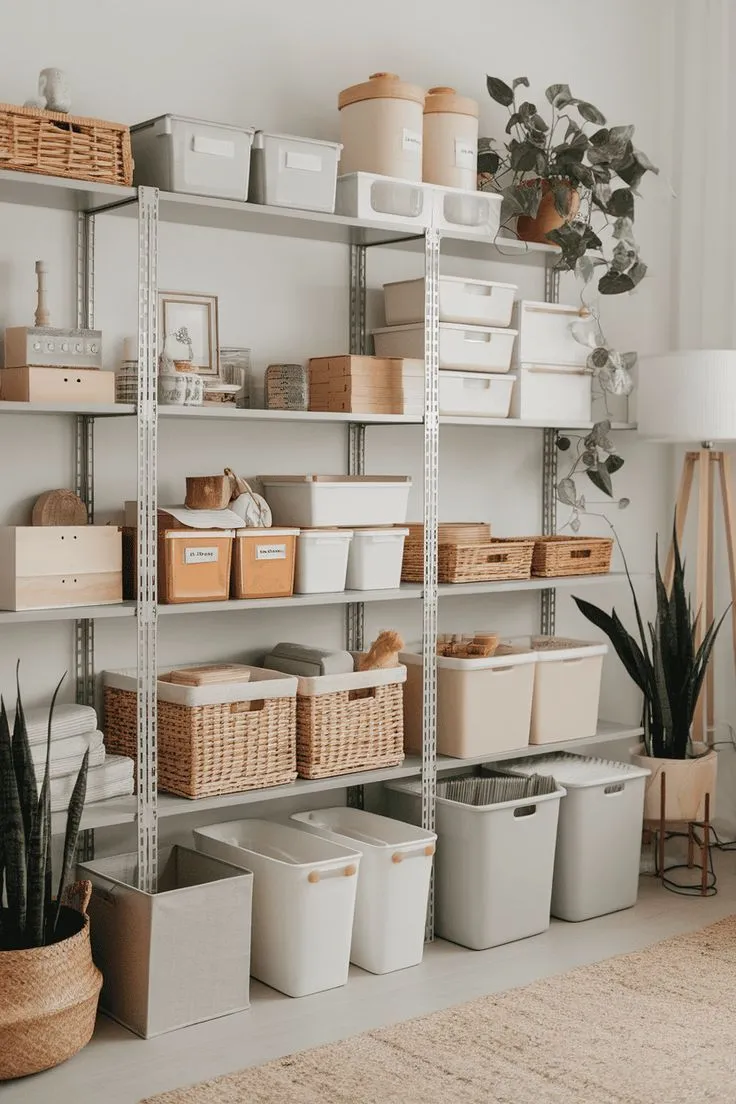
The most realistic, manageable, and genuinely life-changing 30-day declutter and storage reset plan — because a completely organized home doesn’t happen in a weekend, but it absolutely can happen in a month.
I want to tell you something that nobody in the home organization world seems to want to say out loud: trying to declutter and reorganize your entire home in a single weekend is a recipe for burnout, overwhelm, and giving up halfway through with your living room in more chaos than when you started. I know this because I’ve tried it.
Twice. Both times I started with incredible energy on Saturday morning and by Sunday afternoon I was sitting in the middle of a pile of stuff I’d pulled out of every closet in my house, completely paralyzed, ordering takeout and telling myself I’d finish next weekend. Spoiler: I did not finish next weekend.
The truth is that a real, lasting declutter and storage reset takes more than a weekend. It takes a plan, it takes realistic daily steps, and it takes enough time to make thoughtful decisions about your belongings rather than panic-deciding in the middle of an overwhelming mess.
And when it’s done right — when it’s done over thirty intentional days — the result is something that a frantic weekend purge could never create: a home that is organized from the inside out, in a way that actually reflects how you live, with systems that you understand and will actually maintain.
My friend Soraya did her 30-day declutter and storage reset last spring and documented the whole thing. I watched from the sidelines, checking in with her every few days, and what struck me was how calm the process felt compared to every other home organization project I’d ever seen or been part of. She spent thirty to forty-five minutes a day on a specific, contained zone.
No overwhelm. No pulling everything out at once. No chaos. And by day thirty? I walked into her home and stood in her hallway feeling the kind of calm that only truly organized spaces create. Everything had a home. Every surface was clear.
Every cabinet and drawer was logical and manageable. It was the most satisfying home transformation I had ever witnessed — because it had been built slowly and properly, one day at a time.
This is the 30-day declutter and storage reset plan that actually works. It’s broken into four weeks with a clear focus for each week, and each day has a specific, achievable task that takes under an hour.
You do not have to take time off work. You do not have to spend a fortune on organizing products. You just have to show up for thirty days and follow the plan. Let’s do this.
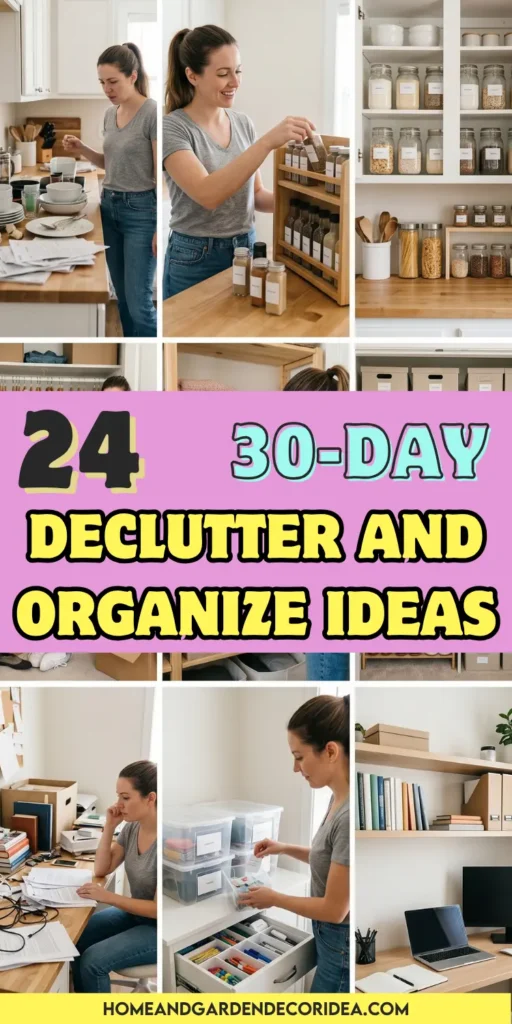
Before You Begin: The Three Rules of the 30-Day Reset
Before day one, there are three rules I need you to agree to follow for the entire thirty days. These rules are what make the difference between a reset that works and one that fizzles out by day twelve.
Rule 1: One zone per day, no more. The temptation when you’re feeling motivated is to do extra. To knock out three days in one go because you have energy and time. I’m asking you not to. When you stay within the one-zone-per-day structure, you protect yourself from the overwhelm spiral. You finish each day’s task feeling accomplished and ready for tomorrow, rather than exhausted and dreading it. One zone. Done well. Every day.
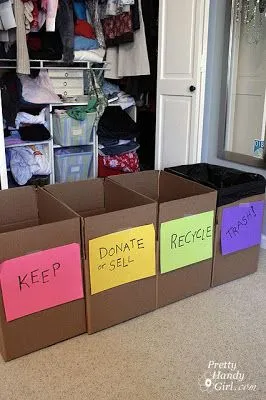
Rule 2: Make the decision and move on. The biggest time waster in any declutter is the agonizing. The picking something up, putting it down, picking it up again, walking around with it, not being sure, and ultimately putting it back where it was without deciding. For thirty days, you are going to make the decision when you pick something up and move on. Keep it or let it go. Give yourself a maximum of thirty seconds per item. The goal is progress, not perfection.
Rule 3: Get the donations out of the house immediately. Every item you decide to donate needs to leave your home within 24 hours of being decluttered. Not into a bag in the corner. Not into the garage to deal with later. Out of the house. Into your car, scheduled for pickup, dropped at the donation box — whatever it takes. Items that stay in your home in donation bags have a mysterious way of unpacking themselves and returning to where they came from.
Week One: The High-Impact Entry Points
The first week focuses on the spaces you interact with most frequently and that have the biggest impact on how your home feels day to day. We’re starting with high-impact zones because the visible, immediate improvements in week one build the momentum and motivation to carry you through the rest of the month.
Day 1 — The Front Entryway
This is where the 30-day declutter and storage reset begins, and there is no better place to start because this is the first thing you see when you come home every single day. Today your task is to completely clear your entryway. Remove every single thing that doesn’t have a permanent, intentional reason to be there. Shoes that don’t belong, bags that have been sitting for weeks, mail that’s been ignored, coats that missed the hook. Evaluate each item — does it belong here? Does it have a designated home here? If yes, give it one. If no, it moves to where it actually belongs or it goes in the donation bag. Wipe down every surface when the clearing is done. Start as you mean to go on.
Day 2 — The Coat Closet or Entryway Storage
Today you go deeper into the entryway by tackling the coat closet or whatever storage exists near your front door. Pull everything out. And I mean everything. Evaluate every coat, every umbrella, every bag, every sports item, every mystery object that has been living in there. Keep only what belongs at the entry point of your home and is actually used. Rehang coats neatly. Return shoes to the shoe system. Donate anything that hasn’t been worn in a year.
Day 3 — The Kitchen Counters
Your kitchen counters are today’s task — just the surfaces, not the insides of anything yet. The goal is to evaluate every single object that lives on your kitchen counters and decide whether it truly earns that premium counter real estate. A toaster you use every day? Earns it. The bread maker you used twice in 2022? Does not. Clear, wipe, and return only what genuinely belongs there. Your kitchen should already feel dramatically different after just three days.
Day 4 — The Kitchen Junk Drawer
Every home has one. Today is the day we face it with honesty and courage. Pull the entire contents of your junk drawer out onto the counter. Sort into categories: batteries, tools, takeout menus, random keys, dead pens, mystery chargers, expired coupons. Toss the expired, the dead, and the truly mysterious. Organize what remains into small bins or dividers inside the drawer. A junk drawer is allowed to exist. It just has to be an organized one.
Day 5 — The Pantry or Food Storage Area
Pull every single item out of your pantry today and check every expiration date. Toss anything expired without guilt — it’s not going to get better with time. Consolidate duplicates. Group categories together: baking supplies, canned goods, breakfast items, snacks, pasta and grains, condiments. Return everything to the pantry in its category grouping, with the items you use most at the front and at eye level. Label if needed. Your pantry is now a system, not a storage lottery.
Day 6 — The Bathroom Counters and Medicine Cabinet
Same principle as the kitchen counters but in your primary bathroom. Clear every surface. Open the medicine cabinet and go through every single item — toss expired medications, finished products, duplicates you’ll never use, and anything you haven’t touched in six months. Only what you actually use regularly earns a spot in the medicine cabinet or on the counter. Wipe everything down. Decant products into matching containers if you want to take the aesthetic up a notch.
Day 7 — Rest, Reflect, and Celebrate Week One
Day seven is your rest day. No tasks. But I do want you to do one thing: walk through the zones you’ve tackled this week and notice how different they feel. The entryway, the kitchen, the bathroom. Sit with the feeling of those spaces being clear and functional. This is the feeling you’re building toward for your whole home. Let it motivate you for week two. You have already done more than most people ever do.
Week Two: The Heart of the Home
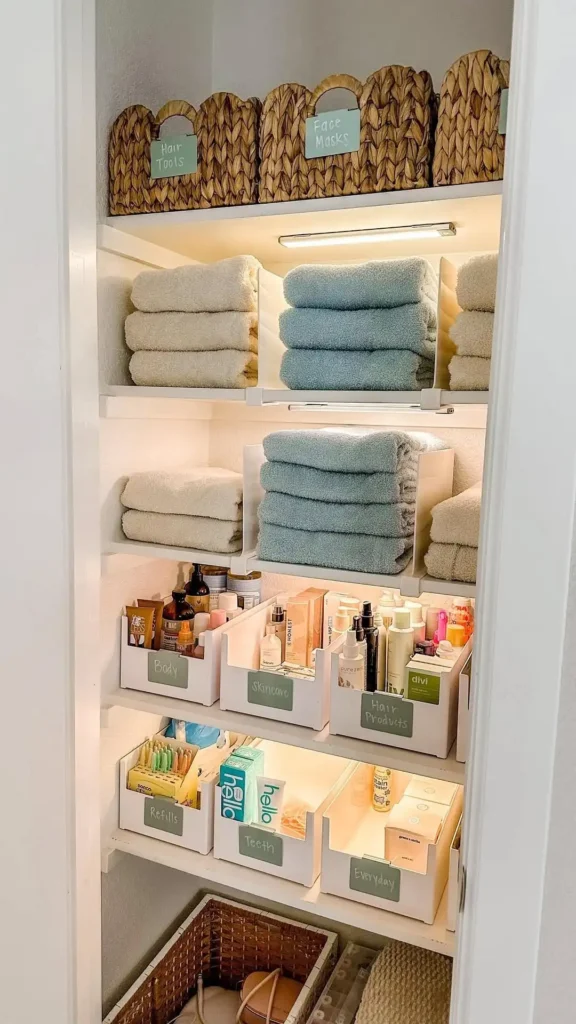
Week two goes into the core living spaces — the rooms where your family spends the most time and where clutter has the most impact on how you feel every day.
Day 8 — The Living Room Surfaces
Today you are clearing every surface in your living room — coffee table, side tables, media console top, windowsills, any shelving surface. Every object gets picked up and evaluated. Does this belong here? Is this decorative or is it clutter pretending to be decorative? Keep what is intentional and loved. Remove what has been sitting there by default. Style the surfaces back with intention: a candle, a plant, a book you’re actually reading. Surfaces should have breathing room.
Day 9 — The Living Room Storage (Cabinets, Drawers, Media Console)
Today you go inside the storage furniture in your living room. Open every cabinet door, every drawer, every basket. Pull things out and evaluate. Remote controls that belong here — yes. The seventeen takeout menus, the broken charger, the game with missing pieces, the decorative candle you never lit — goodbye. Organize what remains into logical categories. Remotes together. Games together. Extra blankets folded neatly. Everything with a designated home inside the storage.
Day 10 — The Dining Room and Table Surfaces
If your dining room table has become a secondary desk, a homework dumping ground, a catch-all for everything that doesn’t have a home — today is its liberation day. Clear the table completely. Then address whatever storage exists in the dining room: a sideboard, a hutch, a bar cart. Evaluate everything. Keep what belongs in a dining space. Relocate what has migrated here from other rooms. By the end of today your dining table should be clear enough to eat at comfortably every night.
Day 11 — The Main Bedroom Surfaces and Nightstands
Today is the bedroom — starting with surfaces. Dresser top, nightstands, any other surfaces in the room. Clear everything off, wipe the surfaces, and return only what genuinely belongs and is used regularly. A nightstand should hold your current book, your phone charger, maybe a glass of water and a lip balm. Not seventeen things you don’t know how to categorize. Edit ruthlessly. Your bedroom surfaces should feel like a hotel room — calm, intentional, and restful.
Day 12 — The Main Bedroom Closet: Clothing
The closet is a big one, so today we’re focusing specifically on clothing. Pull every item of clothing out of the closet. Every single piece. Try on anything you’re unsure about. Ask yourself honestly: does this fit? Do I feel good in it? Have I worn it in the past year? Would I buy it today? Anything that gets a no to any of these questions goes into the donation bag. Return only what you love, what fits, and what you actually wear. Rehang by category: tops together, bottoms together, dresses together, outerwear together.
Day 13 — The Main Bedroom Closet: Shoes, Bags, and Accessories
Today you finish the closet by tackling shoes, bags, and accessories. Same honest evaluation: worn in the past year? Still in good condition? Still love it? Donate what doesn’t pass the test. Organize what remains into a logical system — shoes on a rack or in clear boxes, bags on hooks or on a shelf, accessories in a drawer organizer or hanging organizer. Your closet is now a curated collection of things you actually wear and love.
Day 14 — Rest, Reflect, and Celebrate Week Two
Another rest day. Walk through your home and notice the cumulative effect of two weeks of work. Your entry, your kitchen, your bathroom, your living room, your dining room, your bedroom — all clearer, all more intentional, all more peaceful. You are halfway through the 30-day declutter and storage reset and your home already feels like a different place. That’s real progress. Rest well.
Week Three: The Hidden Zones
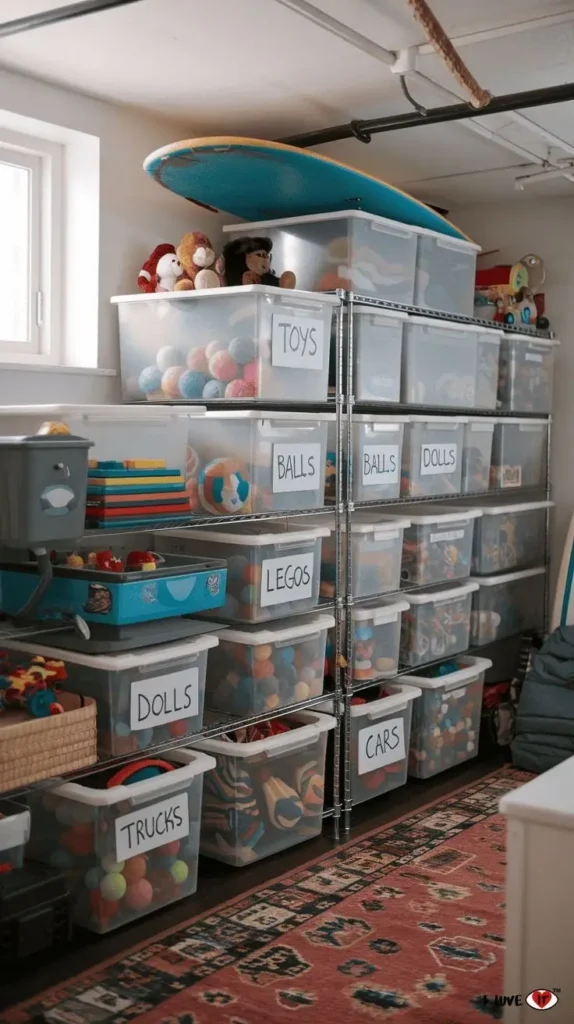
Week three tackles the spaces that are less visible but where the most accumulated clutter usually lives — the storage areas, the spare spaces, and the places that tend to be everyone’s definition of “deal with it later.”
Day 15 — Under Every Bed in the House
Pull everything out from under every bed. Yes, every one. Evaluate it all. Under the bed is a legitimate storage zone — but only for intentional, organized items like seasonal clothing in vacuum bags, extra bedding in labeled bins, or off-season shoes in clear boxes. Random boxes, forgotten items, broken things — out. Return only what belongs there in a purposeful, organized way.
Day 16 — The Linen Closet
Pull every sheet set, every towel, every spare pillow, every tablecloth out of the linen closet. Evaluate honestly. Do you have more sheet sets than beds? More towels than people? A tablecloth for a table you no longer own? Donate the excess. Keep a maximum of two to three sheet sets per bed and two to three towels per person. Fold everything using a method that keeps sets together (fold sheet sets inside the pillowcase so they stay matched and tidy). Return to the linen closet organized by category.
Day 17 — The Home Office or Work Area
Whether you have a dedicated home office or just a corner desk, today you are tackling it completely. Clear the desk surface entirely. Go through every drawer. Tackle the paper pile. File what needs keeping, recycle what doesn’t. Evaluate office supplies — do you really need fourteen pens? Toss the dead ones. Donate the duplicates. Set up a simple inbox system for incoming paper. Your work area should be a place that makes you feel focused and capable, not buried and overwhelmed.
Day 18 — Kids’ Rooms: Toys
If you have children, today is toys. And yes, this is a big one. Ideally involve the kids in this process — it teaches them about letting go and about making space for what matters. Sort through every toy: broken toys go in the trash immediately, toys they’ve outgrown or never play with go in the donation bag, toys they love and play with regularly get to stay. Be guided by what they actually play with, not by guilt about money spent or gifts given. Fewer, better toys make for more creative, engaged play.
Day 19 — Kids’ Rooms: Clothing and Storage
Today finish the kids’ rooms by going through their clothing and any additional storage. Kids grow fast and their clothing turnover should reflect that — anything that doesn’t fit goes immediately into the donation bag, no holding onto it in case a younger sibling needs it unless you have a specific, organized place for hand-me-downs. Set up their storage to be genuinely accessible and easy for them to use independently: low hooks, open bins, simple category labels. A system a child can operate themselves is worth ten times more than a system that requires an adult.
Day 20 — The Garage, Basement, or Storage Room: Section One
If you have a garage, basement, or dedicated storage room, this week we begin tackling it. Today is section one — pick one wall or one zone of the space and start there. Pull everything out of that zone, evaluate it honestly (garages and basements are notorious for housing items people keep “just in case” for decades), and begin creating organized categories. Toss broken items without guilt. Donate what someone else could use. Start bringing order to one section.
Day 21 — Rest, Reflect, and Appreciate the Deep Work
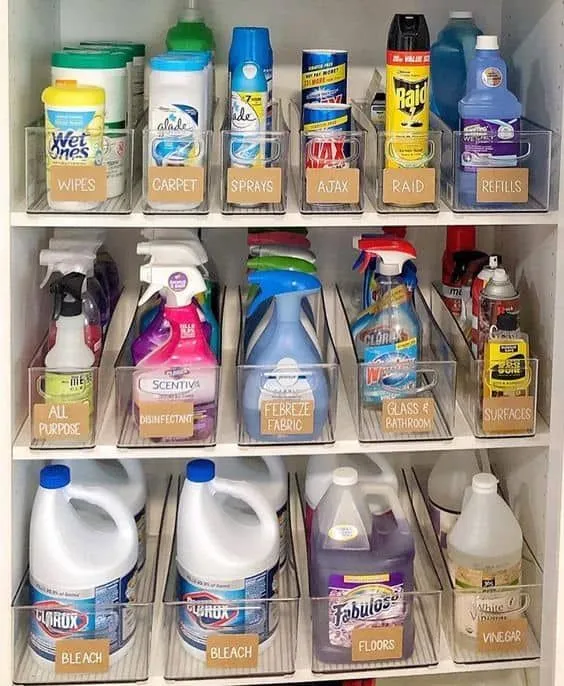
Your week three rest day. The work this week was harder — the hidden zones always are, because they’re where the avoidance has accumulated the longest. Notice how much lighter your home feels now that those spaces are being addressed. The under-bed storage is intentional. The linen closet is logical. The work area is functional. The kids’ rooms are manageable. This is the 30-day declutter and storage reset working exactly as it should.
Week Four: The Finish Line and the Future
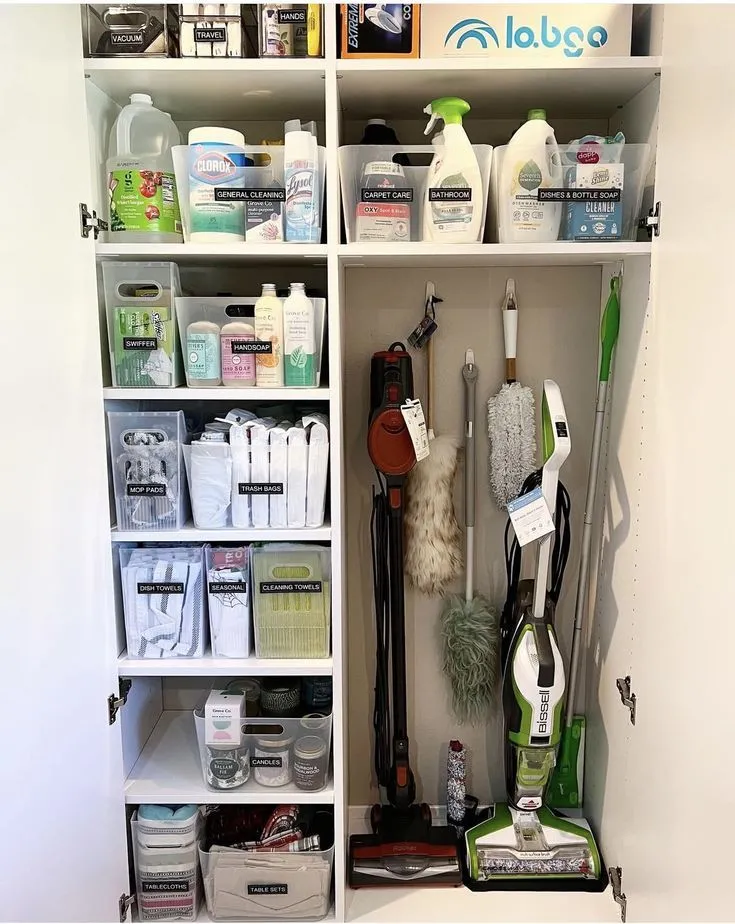
The final week is about completing the reset, building the systems that will maintain everything you’ve built, and creating the habits that will keep your home organized long after day thirty.
Day 22 — The Garage, Basement, or Storage Room: Section Two
Continue where you left off in the large storage space. Another zone or wall. Pull out, evaluate, categorize. By the end of today you should have the whole space sorted into clear categories even if it’s not yet fully organized and shelved. Categories visible means the system is becoming clear.
Day 23 — The Garage, Basement, or Storage Room: Organize and System
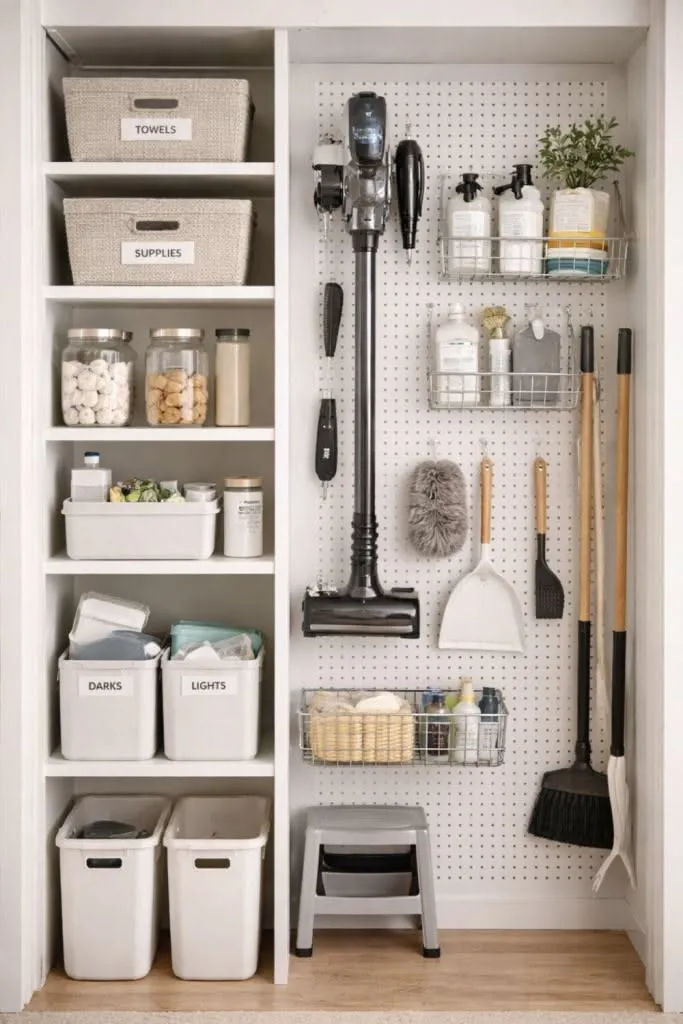
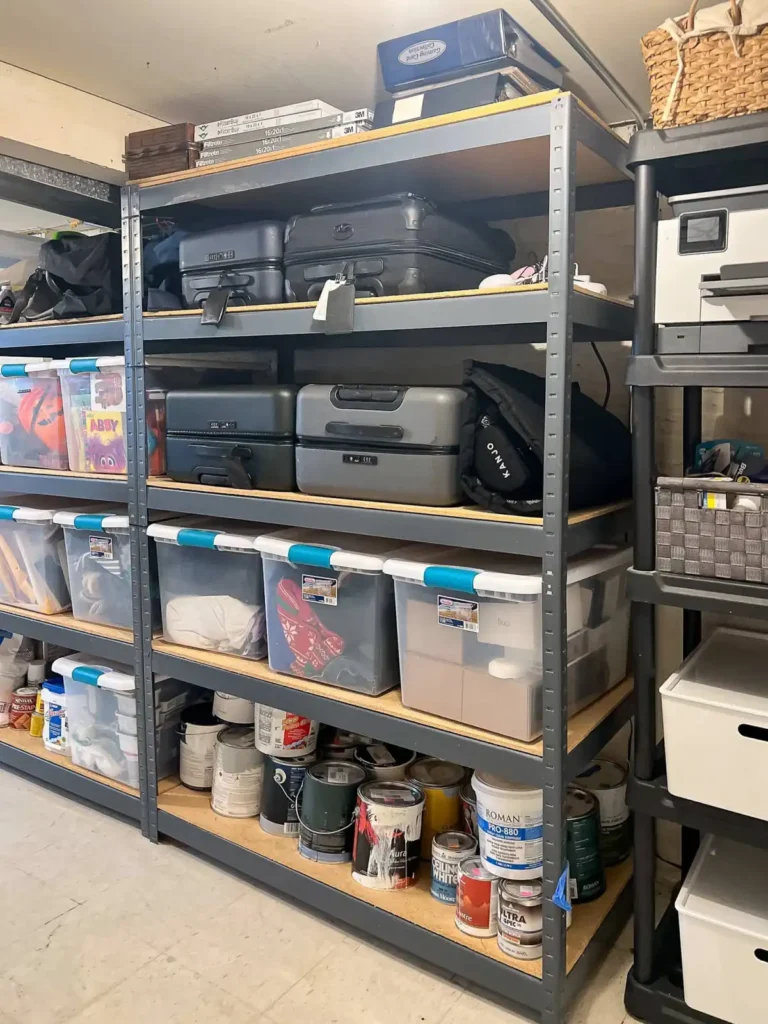
Today you build the system for the large storage space. Install or arrange shelving. Put like with like. Label bins and boxes clearly. Create zones for each category — garden tools, holiday decorations, sports equipment, household supplies, archived items. Establish a walkway through the middle so everything is accessible. Stand back at the end of the day and notice the transformation of the space that was probably your most dreaded zone.
Day 24 — Remaining Miscellaneous Zones
Use today to sweep through any zones that haven’t been tackled yet — a hallway closet, a laundry room, a guest room, a craft space, a mudroom. If everything has been covered, use today to do a second pass on the zones that felt rushed or incomplete earlier in the month. No zone left behind.
Day 25 — Set Up Your Paper Management System
Today is dedicated entirely to paper. Gather every piece of paper in your home — from every room, every surface, every drawer. Sort into categories: bills to pay, documents to file, items to action, reading material to keep, recycling. Set up your paper management system: an inbox tray near where mail comes in, a simple filing system for documents to keep, a recycling bin or shredder for what doesn’t need to be kept. Process every piece of paper into the right category. Establish the weekly habit of processing the inbox going forward.
Day 26 — Create Your Storage Labels and Inventory
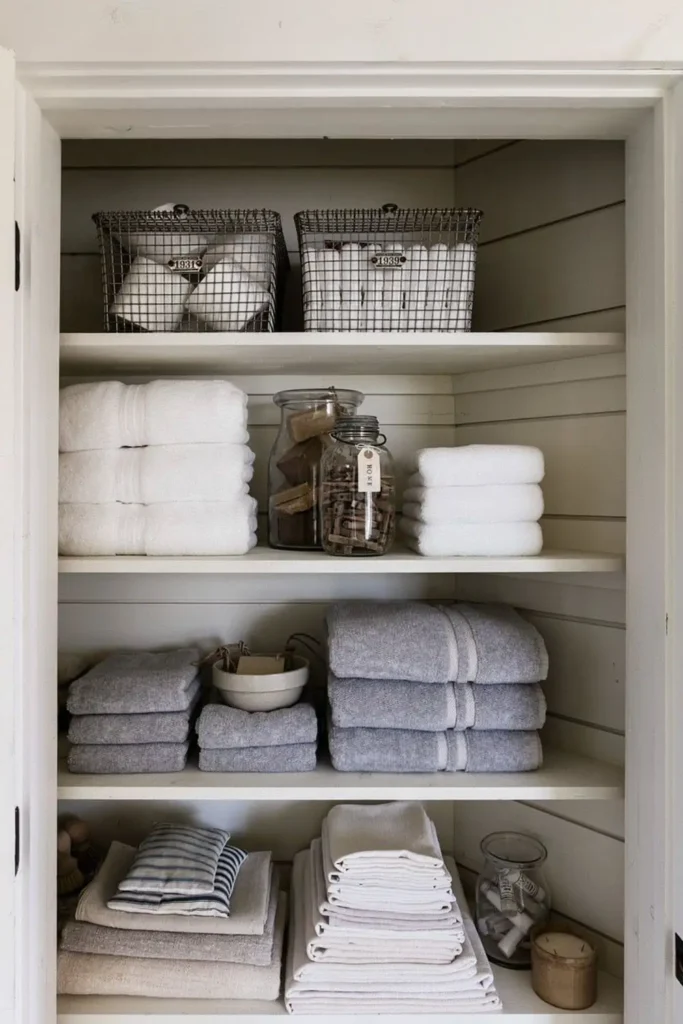
Today is the day you make your whole-home storage system official by labeling everything that needs it. Every storage bin, every basket, every shelf zone that isn’t immediately obvious gets a label. Use a label maker if you have one — it makes labels look intentional and permanent. Handwritten labels on pretty tags work beautifully too. At the same time, create a simple home inventory: a note on your phone or a sheet taped inside your storage room door listing where key categories of items live in your home.
Day 27 — Style and Make It Beautiful
Today’s task is the one that takes your organized home from functional to genuinely beautiful — and it matters more than you might think. Add the finishing touches that make your organized spaces feel like rooms you love. A plant on the newly cleared kitchen shelf. A candle on the organized bathroom counter. A small framed photo on the styled living room side table. Rearrange things on your newly organized shelves so they look curated, not just stored. The beauty of a space determines whether you maintain it — we protect and care for things we find beautiful.
Day 28 — Walk Through and Do a Final Pass
Today you walk slowly and intentionally through every single room and zone you’ve tackled over the past twenty-seven days. Make notes of anything that still needs attention. Anything that doesn’t have a designated home yet. Any system that isn’t quite working yet. Then address those notes. This is your quality control day — the final refinement before the official end of the reset.
Day 29 — Write Your Maintenance Routine
Today you design the routine that will keep everything you’ve built intact going forward. Write it down — literally, on paper or in your phone. Your daily reset (ten to fifteen minutes every evening, everything back to its home). Your weekly reset (thirty to sixty minutes, paper processed, laundry caught up, any areas that drifted brought back). Your seasonal reset (every three to four months, a check-in and any needed adjustments). Make the daily reset a non-negotiable — it is the engine that keeps everything else working.
Day 30 — Celebrate. Genuinely, Fully Celebrate.
Oh my — you made it to day thirty. And I want you to stop here and actually let that land, because this is not a small thing you have done.
You have spent thirty days making intentional decisions about your belongings. You have decluttered every major zone of your home. You have built storage systems that are logical and organized and sustainable. You have created the most organized version of your home that has ever existed. And you did it without a single overwhelming weekend spiral, without pulling everything out at once, without giving up halfway through and closing a door on the chaos.
Walk through your whole home today. Slowly. Room by room. Notice every clear surface. Every labeled bin. Every closet that opens to reveal order instead of chaos. Every drawer that slides open to exactly what you’re looking for. Every entry table that holds only what belongs there. Every shelf that is styled and beautiful and functional all at once.
This is the home you built in thirty days. It is yours. And it is going to stay this way because you now have the systems, the habits, and the knowledge to maintain it.
Now go tell someone what you did. Share this plan with anyone who has ever looked at their home and felt overwhelmed by where to even begin. And then go sit in your beautiful, organized, peaceful home and enjoy every single minute of it.
Pin this 30-day plan and share it — this is the declutter and storage reset guide that makes the impossible feel completely, manageable, and real!

Leave a Reply